Rideshare Accident Colorado – Uber and Lyft Injury Claims Explained
Rideshare services have transformed how Coloradans get around, but a rideshare accident in Colorado can create a new category of complex injury claims that many accident victims struggle to navigate alone. This page is your comprehensive guide to understanding what happens after a rideshare accident in Colorado—whether you are a passenger, driver, pedestrian, or another motorist involved in an incident with an Uber or Lyft vehicle.
Here, you’ll find clear explanations of:
How rideshare insurance coverage works and what protections are available
The legal claims process after a rideshare accident
The critical steps to take immediately after an accident
How a rideshare accident attorney can help you navigate liability, insurance, and maximize your compensation
This resource is for anyone affected by a rideshare accident in Colorado, including passengers riding in Uber or Lyft vehicles, other motorists struck by rideshare drivers, pedestrians or bicyclists hit near pick-up zones, and even Uber and Lyft drivers themselves who collide with negligent third parties. Understanding these issues is crucial because rideshare accidents often involve multiple parties, overlapping insurance policies, and unique legal risks that make them far more complicated than standard car accidents.
Hiring or consulting with a rideshare accident attorney can help you navigate the complexities of liability and insurance coverage, clarify your legal options, and determine your potential for compensation after an accident. With the right legal guidance, you can protect your rights and avoid costly mistakes when dealing with insurance companies and corporate legal teams.
Injured in a Colorado Rideshare Accident? Start Here
Uber and Lyft operate extensively throughout Colorado, with high demand in Pueblo, Colorado Springs, Denver, and across Southern Colorado counties where population growth and tourism keep rideshare vehicles on the road around the clock. Whether you are traveling on congested urban streets or along rural highways like I-25, the risk of a rideshare accident is real—and the legal aftermath is more complicated than a typical car accident.
This page is for anyone hurt in a Colorado rideshare accident. That includes passengers riding in an Uber or Lyft vehicle, other motorists struck by a rideshare driver, pedestrians or bicyclists hit near pick-up zones, and even Uber and Lyft drivers themselves who collide with negligent third parties. Rideshare passengers face unique risks and should be aware of their rights and the specific insurance protections available to them in the event of an accident. If you fall into any of these categories, you need to understand how layered insurance policies, including the interplay between the driver's personal insurance and the rideshare company's liability insurance, work together. Liability insurance provided by Uber and Lyft can protect both passengers and third parties when the driver's personal insurance is insufficient or does not fully cover the claim. Rideshare passengers may need to pursue compensation through insurance claims or legal action if their medical bills or damages are not fully covered by available policies.
Johnston Law Firm, LLC is based in Pueblo and represents rideshare accident victims throughout Colorado, including Otero, Fremont, Custer, Huerfano, Las Animas, and Crowley Counties. Steve Johnston’s practice focuses on automobile accidents, personal injury, workers’ compensation, estate planning, criminal law, and Social Security law—giving him the cross-disciplinary experience needed to handle complex rideshare claims.
Do not talk to Uber, Lyft, or any insurance adjuster until you understand your rights. Early statements can undermine your claim, especially when multiple insurance policies and corporate legal teams are involved. It is crucial to consult a personal injury lawyer who can handle complex liability and insurance issues and help protect your interests. Call Steve Johnston at (719) 309-9484 or message us online for a free rideshare accident consultation right now.
Pueblo County alone sees around 41,500 motor vehicle accidents in recent tallies, part of statewide patterns exceeding 95,000 crashes annually. Rideshare collisions add layers of complexity that generic car crash advice simply does not address.
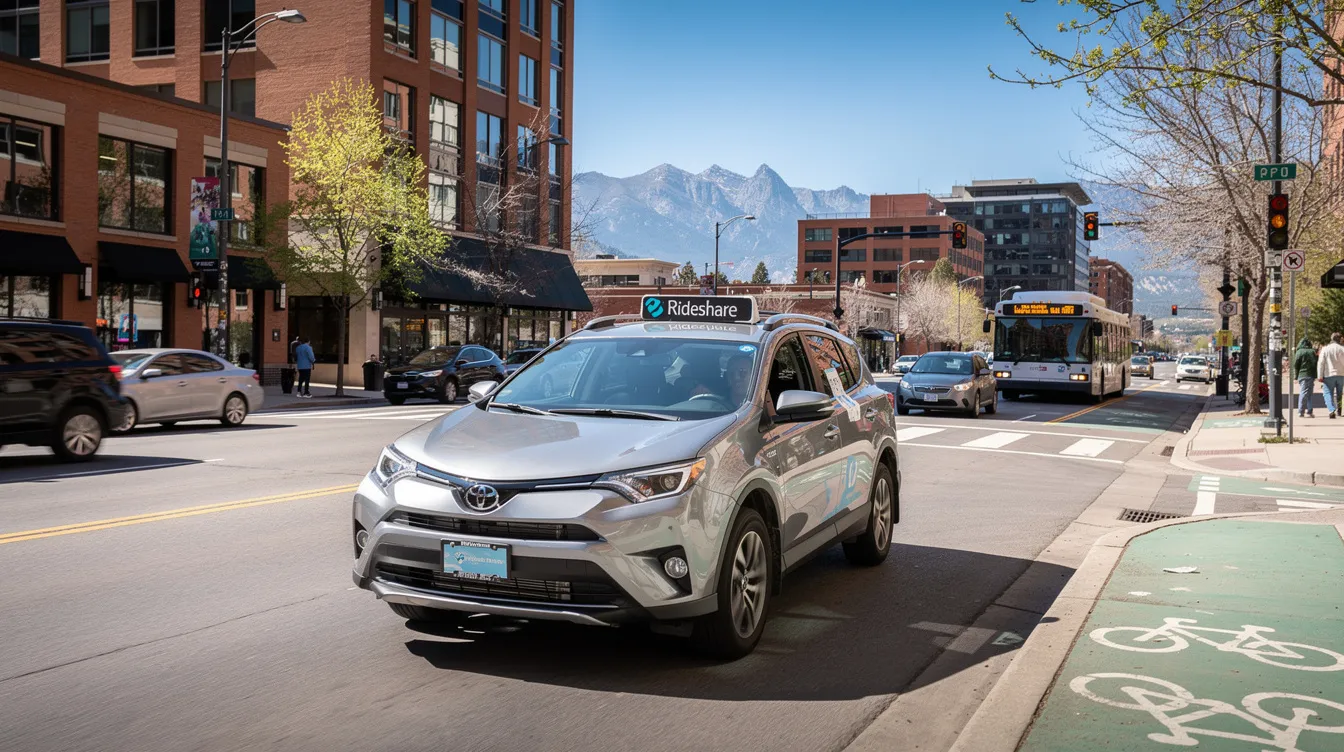
What a Colorado Rideshare Accident Lawyer Can Do for You
Rideshare accidents often produce complex legal liability claims between multiple parties and their insurance companies. These cases are fundamentally different from a standard car crash, as you are not dealing with just one driver and one insurance company. Instead, you face multiple overlapping insurance policies—the driver’s personal auto insurance, the rideshare company’s contingent and commercial coverage, your own UM/UIM protections, MedPay, and possibly health insurance—all while corporate defendants deploy aggressive legal teams to minimize what they pay.
How a Lawyer Helps Navigate Rideshare Claims
Steve Johnston can help you cut through this complexity. He investigates fault by preserving critical app data that shows the driver’s status at the moment of the crash (offline, app-on waiting, en route, or with passenger). He identifies every applicable insurance policy, including Colorado-mandated uninsured motorist coverage of at least $200,000 per rider. He calculates your full damages, encompassing medical bills, lost wages, property damage, and pain and suffering. And he handles all communications with insurance adjusters so you do not accidentally say something that reduces your compensation. Johnston Law Firm ensures clients receive enough insurance coverage and helps pursue compensation when insurance limits are insufficient, especially in cases involving underinsured or uninsured motorists.
Local Experience and Comprehensive Representation
Steve routinely handles automobile accidents and personal injury claims across Colorado and understands how local courts in Pueblo, Otero, Fremont, Custer, Huerfano, Las Animas, and Crowley Counties treat rideshare accident case evidence and liability disputes. If you were hurt while on the job—say, as a delivery driver or traveling for work—Johnston Law Firm can coordinate your rideshare injury claim with workers’ compensation. If your injuries prevent you from returning to work long-term, Steve’s Social Security disability practice allows him to advise on those benefits as well. As experienced Lyft accident attorneys and Lyft accident lawyers, Johnston Law Firm specializes in representing clients involved in Lyft-related rideshare accidents, offering expert legal guidance and free case evaluations for complex claims.
Let an attorney deal with the insurance companies while you focus on healing.
Trial-Ready Approach and Maximizing Recovery
The firm prepares every case as if it may go to trial. This approach pressures insurers into offering fairer settlements because they know Johnston Law Firm will not accept lowball offers without a fight. Industry data suggests that attorney involvement can boost recoveries by three to four times compared to handling a personal injury claim alone.
Call (719) 309-9484 now for a free, no-obligation case evaluation before you sign anything or accept any offer from Uber or Lyft insurers.
Next, we’ll explain how to file an Uber accident claim in Colorado and what steps to take after a rideshare crash.
How to File an Uber Accident Claim in Colorado
Understanding how Uber’s insurance coverage works is the first step toward protecting your rights. Uber provides insurance coverage for passengers, pedestrians, and drivers of other vehicles when their drivers are using the app. However, this coverage only applies if the driver was using the app at the time of the accident. Uber provides different levels of liability and insurance coverage depending on the driver’s status at the time of the crash—whether the driver is offline, waiting for a ride request, en route to pick up a passenger, or actively carrying a passenger.
Key Steps in Filing an Uber Claim
Report the Crash Through the Uber App: This is critical because trip data can auto-delete after 60 days.
Obtain a Police Report: Request a copy from the responding agency to document the scene and fault.
Seek Immediate Medical Attention: Document your injuries as soon as possible.
Notify Your Own Insurer: Let your insurance company know about the accident.
Contact a Rideshare Accident Attorney: Have Johnston Law Firm handle direct communications with Uber and its claims team to protect your rights.
Passengers and other victims may need to pursue compensation through Uber’s insurance or legal action if their damages exceed the available coverage.
Common Uber Accident Scenarios
You were an Uber passenger injured in a rear-end collision or other crash
You were driving another vehicle and were hit by an Uber driver
You were a pedestrian or cyclist struck by an Uber or Lyft vehicle near a pick-up or drop-off zone
You were an Uber driver struck by another negligent motorist
If you are an Uber driver and have collision coverage as part of your personal auto policy, this coverage may help pay for damage to your vehicle regardless of fault, subject to your deductible.
If the Uber driver had accepted a trip or was transporting a passenger, you typically have access to up to $1,000,000 in liability coverage under Colorado law. This significantly changes the calculation of what fair compensation looks like compared to a crash involving only personal auto insurance.
Consider a hypothetical example: In early 2025, during rush hour in downtown Pueblo, an Uber driver who is en route to pick up a passenger rear-ends a passenger van at a congested intersection. App data confirms the driver was in Period 3 status, unlocking $1 million in coverage. Without a rideshare accident attorney, the insurer might argue shared fault under Colorado’s modified comparative negligence rules—potentially reducing or eliminating recovery if fault is attributed at 50% or more. An experienced attorney fights those fault arguments with dashcam footage, witness statements, and accident reconstruction when necessary.
Uber’s insurance adjusters often push rapid, low settlements—sometimes $10,000 to $20,000 for injuries that may actually be worth $100,000 or more once you account for future medical treatment, lost wages, and non-economic damages. Speaking with a Pueblo-based rideshare accident attorney first helps you avoid signing away your rights.
Contact Johnston Law Firm at (719) 309-9484 or via the firm’s online contact form for help filing your Uber accident claim.
Next, we’ll cover how to file a Lyft accident claim in Colorado and what to expect from Lyft’s insurance process.
How to File a Lyft Accident Claim in Colorado
Lyft’s insurance structure mirrors Uber’s in many respects. Both Uber and Lyft provide commercial insurance that activates when drivers are logged into the app or completing a ride. Coverage depends on the driver’s status in the app at the exact moment of the crash, and Colorado law imposes similar minimum requirements on both companies.
Key Steps in Filing a Lyft Claim
Report the Accident Through the Lyft App: Preserve trip data and create a record of the incident.
Obtain a Police Report: Secure documentation of the crash and fault assessment.
Seek Prompt Medical Care: Ensure all injuries are documented.
Notify Your Own Insurance Company: Inform them of the accident.
Consult a Rideshare Accident Attorney: Johnston Law Firm can help you determine which coverage applies and handle negotiations.
Common Lyft Accident Scenarios
You are a Lyft passenger injured on I-25 near Colorado Springs when your driver loses control on icy pavement
You are rear-ended by a distracted Lyft driver in Pueblo who was checking the app instead of watching traffic
Your child is hit in a crosswalk by a Lyft vehicle in La Junta (Otero County) when the driver fails to yield
Depending on the circumstances, you may have claims against the at-fault Lyft driver, Lyft’s liability policy, your own UM/UIM coverage, MedPay from your personal policy, or a third-party driver if someone else caused the collision. Determining which insurance policy is primary—and which is excess—requires careful analysis of the driver’s status, policy language, and Colorado law.
As experienced Lyft accident attorneys and Lyft accident lawyers, Johnston Law Firm has the expertise to handle the complex legal liability issues that often arise in Lyft accident cases. Johnston Law Firm will help you determine which coverage applies, assemble documentation including the police report, photographs, witness statements, and app logs, submit a detailed demand package that values your injuries accurately (spinal injuries alone can exceed $250,000), and negotiate settlement while preserving your right to sue if the insurer refuses to pay fairly. Steve can also bypass certain arbitration clauses through injury exceptions recognized under current law.
Lyft and its insurers are represented by experienced defense counsel. Handling a serious injury personal injury case alone risks undervaluation by 40 to 60 percent. Steve Johnston’s knowledge of automobile accident and personal injury law—as well as related criminal law issues like DUI—can be critical if the Lyft driver or another driver was cited or arrested. Colorado has seen 233 impairment-related fatalities year-to-date in 2025, underscoring how often intoxicated driving factors into rideshare claims.
Call (719) 309-9484 or message Johnston Law Firm online for a free review of your Lyft accident claim today.
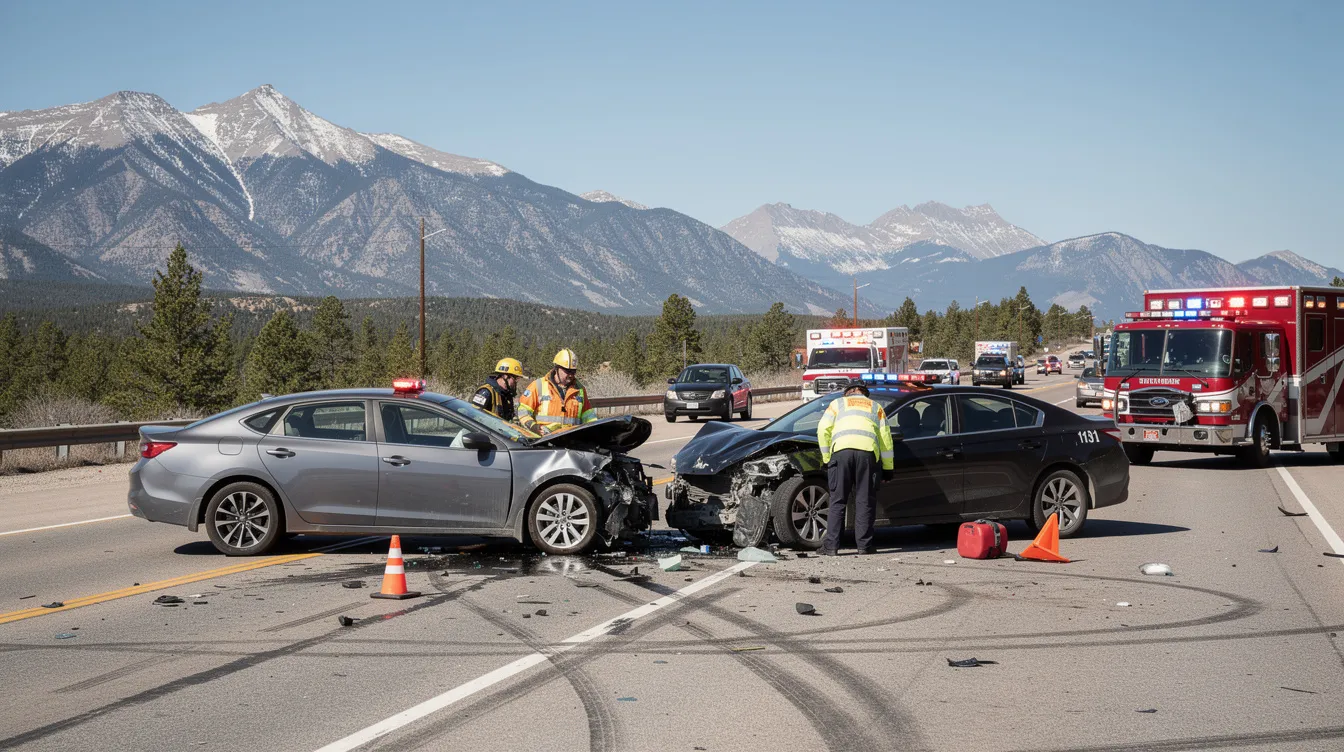
Next, we’ll look at how insurance coverage works for Uber and Lyft accidents in Colorado.
Understanding Uber and Lyft Insurance Coverage in Colorado
Colorado’s Transportation Network Company Act (C.R.S. § 40-10.1-101 et seq.) mandates specific insurance requirements for rideshare operations, but the details are confusing without legal guidance. The coverage available to you depends entirely on the driver’s status at the moment the accident occurred.
When the rideshare driver is offline—not logged into the Uber or Lyft app—only the driver’s personal auto insurance applies. Uber and Lyft drivers in Colorado are classified as independent contractors, so their personal auto insurance applies when they're not using the app. If the rideshare driver is not logged into the Uber or Lyft app, they are considered off duty and only their personal auto insurance applies. Colorado requires minimum bodily injury coverage of $25,000 per person and $50,000 per accident, which may be woefully inadequate for severe injuries. This is why confirming the driver’s status through app data is so important.
When the driver has the app on but has not yet accepted a ride request, Uber and Lyft provide limited contingent liability coverage (typically $50,000/$100,000/$25,000) plus contingent UM/UIM protection. This coverage kicks in if the driver’s personal insurance does not cover the full loss.
When the driver is en route to pick up a passenger or is actively carrying one, commercial insurance takes over with $1 million in liability coverage and $1 million in UM/UIM. Colorado law also requires Uber, Lyft, and other rideshare companies to carry additional uninsured motorist coverage of at least $200,000 per rider and $400,000 per occurrence. Under 2023 amendments to Colorado law, rideshare companies must now carry at least $200,000 in UM/UIM coverage per rider—protection that helps when the at-fault party has little or no insurance. Given that an estimated 20 to 30 percent of Colorado drivers carry only minimum coverage, this protection matters.
MedPay (medical payments coverage, typically $1,000 to $5,000) can overlap with rideshare coverage as a primary source for immediate emergency room bills, with health insurance acting as secondary. Collision coverage is also important for drivers who have this policy, as it can help pay for vehicle repairs after a crash or collision during a ride, regardless of fault. Johnston Law Firm coordinates these benefits to maximize your net recovery while avoiding liens that could reduce what you ultimately keep.
If you are involved in a rideshare accident with an underinsured or uninsured motorist, it is crucial to ensure there is enough insurance coverage to fully compensate for your damages. If the available coverage is insufficient, you may need to pursue legal action to recover the full amount you are owed.
Steve Johnston’s broader practice areas—including workers’ compensation and Social Security disability—allow him to advise clients whose rideshare accident injuries also affect their long-term work capacity. Accurately determining which policy is primary and which is excess is critical. Missteps can forfeit access to $1 million coverage layers that should be available.
Contact the firm to have your specific crash date, driver’s status, and insurance information analyzed before you sign any release or settlement agreement.
Next, we’ll discuss the types of damages you may be able to recover after a rideshare accident in Colorado.
Potential Damages in Uber and Lyft Accident Cases in Colorado
After a rideshare crash in Colorado, you may be entitled to several categories of damages:
Economic damages: These are financial losses that can be calculated, such as medical expenses, lost wages, property damage, and out-of-pocket costs.
Non-economic damages: These compensate for pain and suffering, emotional distress, PTSD, loss of enjoyment of life, and similar harms that do not have a direct dollar figure. Colorado has damage caps that escalate for severe injuries, typically ranging from $250,000 to $500,000 depending on the year of the injury and its severity.
Punitive damages: In rare cases involving especially reckless conduct, punitive damages may also be available. These are intended to punish the wrongdoer for egregious behavior, such as drunk driving or street racing.
Below is a table with examples of economic damages you may recover:
Category |
Examples |
|---|---|
Medical expenses |
Emergency room visits, hospital stays in Pueblo or Colorado Springs, surgery, physical therapy, rehabilitation |
Future medical care |
Ongoing treatment, assistive devices, lifetime care for paralysis or traumatic brain injury |
Lost wages |
Time missed from work during recovery |
Loss of earning capacity |
Reduced ability to earn if you cannot return to your previous occupation |
Property damage |
Vehicle repair or replacement, damaged personal items |
Out-of-pocket costs |
Transportation to medical appointments, home modifications |
Insurance policies from rideshare companies may or may not fully cover medical bills, depending on fault and the specifics of the policy. If your medical bills are not fully covered, you may need to seek additional compensation or legal assistance. Higher settlements are typically awarded for severe injuries that require extensive medical treatment and rehabilitation. Injuries that require hospitalization or long-term treatment usually result in higher settlements in rideshare accident cases.
Steve Johnston gathers medical records, employment documentation, and expert opinions when necessary to fully document both present and future losses. It is essential to document all injuries and medical treatments after a rideshare accident to support your claim for compensation. Generic online “average settlement” figures for rideshare accident settlements are often misleading. Traumatic brain injuries can result in awards from $100,000 to over $1 million. Spinal injuries may justify $250,000 to $3 million depending on severity. Lyft accident settlement amounts and Uber settlements vary dramatically based on the specific facts.
Every case is unique. Reach out for a personalized case valuation with a free consultation rather than relying on generic settlement calculators.
Next, we’ll review the deadlines for filing a claim and how fault is determined in Colorado rideshare accidents.
Deadlines and Fault Rules for Colorado Rideshare Claims
Colorado law imposes strict deadlines for filing a rideshare accident claim. For most personal injury claims arising from vehicle accidents, the statute of limitations is three years from the crash date under C.R.S. § 13-80-101. Wrongful death claims have a shorter two-year deadline under C.R.S. § 13-80-102. Some vehicular homicide-related claims can extend to four years.
Missing these deadlines permanently bars recovery, even if liability is clear and your injuries are catastrophic. Insurance companies know this and sometimes delay hoping you will miss your window.
Colorado follows a modified comparative fault rule, meaning victims who are partially at fault for a rideshare accident can still recover damages, but their compensation may be reduced by their percentage of fault. If you are found 50 percent or more at fault, you recover nothing. This rule makes fault determination critical in every rideshare case.
Consider a multi-vehicle crash on I-25 involving an Uber driver, a commercial truck, and your personal vehicle. The truck driver rear-ended the Uber, which then collided with you. Uber’s insurer might argue you contributed to the crash by following too closely. An experienced Pueblo car accident attorney would fight that characterization using dashcam footage, accident scene photos, and witness statements to keep your fault percentage well below the 50 percent threshold.
Fault can be disputed by Uber or Lyft insurers, the rideshare driver’s personal auto insurer, other drivers’ insurers, and defense lawyers. Early investigation and witness statements are essential. Contact Johnston Law Firm as soon as possible so evidence can be preserved, footage obtained from traffic cameras or dashcams, and statutory deadlines properly tracked.
Next, we’ll examine the most common causes and injuries in Colorado Uber and Lyft crashes.
Common Causes and Injuries in Colorado Uber and Lyft Crashes
Rideshare drivers face unique risks that elevate the chance of a collision. They navigate unfamiliar neighborhoods in Pueblo or Denver, respond to constant app alerts, and often work long hours to maximize earnings. These factors combine with Colorado’s challenging driving conditions—snowy mountain passes, icy winter roads, and congested urban intersections—to create significant danger. A ridesharing accident can involve complex legal claims and insurance coverage issues, making it essential to understand your rights and the challenges of liability in these incidents.
Frequent causes of ridesharing accidents include:
Distracted driving (checking the app, GPS, or accepting ride requests accounts for approximately 32 percent of rideshare crashes)
Speeding to reach the next fare (about 18 percent of crashes)
Driver fatigue from extended shifts (roughly 12 percent)
Weather and road conditions, particularly snow and ice common in Colorado winters
Failure to yield (contributing to over 83,000 statewide crashes annually)
Impaired driving from alcohol or drugs
Common injuries in rideshare accidents:
Whiplash and soft tissue damage (especially in rear-end collisions)
Bone fractures
Concussion and traumatic brain injuries (42 percent of crashes occur at intersections where T-bone impacts cause head trauma)
Spinal cord injuries and paralysis (more common in highway crashes at higher speeds)
Facial and dental injuries
Internal organ damage
Emotional and psychological injuries are also compensable under Colorado law. Accident victims frequently experience anxiety about riding in cars, nightmares, depression, and in severe cases, PTSD. These non-economic damages can significantly increase the value of a rideshare accident case.
Johnston Law Firm’s personal injury and automobile accident practice regularly addresses complex injury patterns. Steve can connect clients with medical specialists when needed and ensure that even seemingly “minor” injuries that worsen over weeks or months are properly documented. After documenting your injuries, it is recommended to maintain a written or video journal after your accident to support your claim. Additionally, always seek follow-up medical care with your primary care doctor after a rideshare accident to ensure all injuries are properly evaluated and treated.
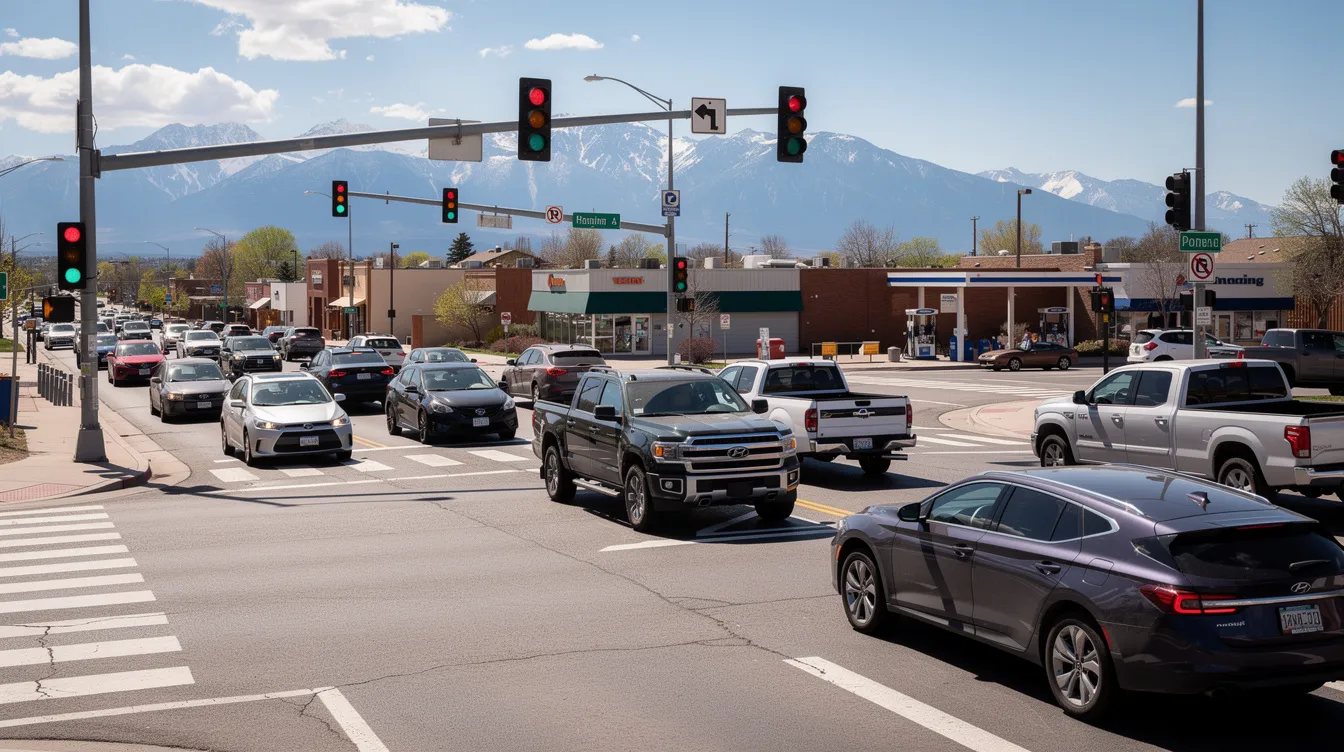
Next, we’ll outline the immediate steps you should take after a rideshare accident in Colorado.
What to Do Immediately After a Rideshare Accident in Colorado
The steps you take in the first minutes and days after an Uber or Lyft crash can significantly affect both your health and your legal claim. Acting quickly preserves evidence and protects your rights.
If you have been injured in a rideshare accident, it is important to contact a personal injury lawyer as soon as possible to protect your rights and navigate the claims process.
Follow these steps after a rideshare accident:
Call 911: Report the accident and request emergency medical services if anyone is injured. Even if injuries seem minor, having police respond creates an official accident report documenting the scene, weather conditions, vehicle positions, and preliminary fault assessments. Ask the responding officer how to obtain a copy of the police report later—you will need it for your rideshare accident claim.
Check for Injuries and Move to Safety: While waiting for police, check yourself and others for injuries and move to safety if possible without leaving the scene.
Document the Scene: Use your phone to photograph the vehicles from multiple angles, capture skid marks, note weather and lighting conditions, and take pictures of any traffic signs or signals. If you were a rideshare passenger, screenshot the trip information from your Uber or Lyft app showing the driver’s name, vehicle, and route.
Collect Witness Information: Gather names, phone numbers, and addresses for any witnesses. Get the rideshare driver’s name, license plate, insurance information, and confirm which rideshare service they were working for. Ask if other drivers or pedestrians have contact information or dashcam footage.
Report the Crash Through the App: Report the crash through the Uber or Lyft app as soon as possible. This creates a timestamped record and preserves trip data that might otherwise be deleted after 60 days.
Notify Your Own Insurer: Notify your own insurer about the collision, but do not give detailed recorded statements or accept any blame until you speak with an attorney. Insurance adjusters are trained to ask questions that can be used to reduce or deny your claim.
Seek Immediate Medical Attention: Even if your symptoms seem mild, seek medical attention. Internal bleeding, traumatic brain injuries, and spinal damage do not always present obvious symptoms right away. Medical records created promptly after the accident become crucial evidence linking your injuries to the crash.
Contact a Rideshare Accident Attorney: One of your earliest steps should be to contact Johnston Law Firm at (719) 309-9484 or send a secure message online for immediate legal guidance on protecting your rideshare claim.
Next, we’ll discuss why seeking prompt medical attention after a rideshare accident is so important.
Importance of Medical Attention After a Rideshare Accident
Why Immediate Medical Care Matters
After an Uber or Lyft accident, your first priority should always be your health. Even if you feel fine or believe your injuries are minor, it’s essential to seek immediate medical attention. The shock and adrenaline from a rideshare accident can mask symptoms of serious injuries, such as concussions, internal bleeding, or soft tissue damage, which may not become apparent until hours or days later.
Protecting Your Health and Your Claim
Delaying medical care can not only put your health at risk but also jeopardize your ability to pursue a personal injury claim. Insurance companies often scrutinize the timing and consistency of your medical treatment when evaluating claims. If you wait too long to see a doctor, they may argue that your injuries were not caused by the rideshare accident or that they are less severe than you claim. Prompt medical attention creates a clear record linking your injuries to the incident, which is crucial for securing fair compensation for your medical expenses, lost wages, and pain and suffering.
Documentation and Next Steps
Whether you were a passenger, another driver, or a pedestrian involved in a Lyft accident or Uber crash, always prioritize your well-being. Visit an emergency room, urgent care, or your primary care physician as soon as possible after the accident. Keep copies of all medical records, bills, and treatment plans, as these documents will be vital evidence in your personal injury claim. Remember, taking your health seriously is the first step toward protecting your rights and ensuring you receive the compensation you deserve.
Next, we’ll share practical tips for protecting yourself as a rideshare passenger in Colorado.
Protecting Yourself as a Rideshare Passenger in Colorado
Proactive Safety Steps
As a rideshare passenger in Colorado, taking proactive steps can make a significant difference if you’re ever involved in a rideshare accident. Before you even get into an Uber or Lyft, check the driver’s rating and read recent reviews to ensure you’re riding with a reputable driver. Always buckle your seatbelt, and consider sitting in the back seat, which is generally safer in the event of a collision.
Staying Alert During Your Ride
Keep your phone charged and within reach during your ride. This allows you to quickly call for help or document the accident scene if needed. Pay attention to the driver’s behavior—if they appear distracted, drive recklessly, or deviate from the expected route, don’t hesitate to speak up or request to end the ride at a safe location. Trust your instincts; your safety comes first.
What to Do If an Accident Occurs
If an accident does occur, report it to the rideshare company through the app as soon as possible. This not only alerts the company but also helps preserve important trip data. Understanding the insurance coverage provided by Uber and Lyft is also key—both companies carry substantial liability coverage, but the specifics depend on the driver’s status at the time of the accident. Consulting with a rideshare accident attorney can help you navigate the claims process, understand your rights, and ensure you’re protected when dealing with the rideshare company and its insurers. Taking these steps can help you stay safe and prepared, no matter where your ride takes you.
Next, we’ll explain how Johnston Law Firm, LLC helps Colorado rideshare accident victims.
How Johnston Law Firm, LLC Helps Colorado Rideshare Victims
Steve Johnston brings decades of experience in personal injury, automobile accidents, workers’ compensation, criminal law, estate planning, and Social Security law to Uber and Lyft accident cases. This breadth of practice means he can address the full impact of a rideshare collision on your life—not just the immediate injury claim, but also lost employment, disability benefits, and family financial security.
Johnston Law Firm is based in Pueblo but regularly represents clients throughout Colorado, including Otero, Fremont, Custer, Huerfano, Las Animas, and Crowley Counties, as well as larger metro areas like Colorado Springs and Denver. The firm represents clients involved in accidents with an Uber or Lyft driver and understands the unique legal and insurance challenges these cases present, including issues related to whether the driver was on or off duty and the applicable insurance coverage. Steve understands how local courts handle rideshare evidence, comparative fault disputes, and insurance coverage questions.
The firm handles rideshare cases from start to finish. That begins with a free consultation where Steve reviews the facts of your crash and explains your options. From there, the firm investigates the accident, gathers evidence including app data and surveillance footage, collects medical records, communicates with all relevant insurance companies, negotiates settlement demands, and—when insurers refuse to pay fairly—prepares for and conducts litigation.
Steve understands that a rideshare collision affects more than your physical health. It can disrupt your employment, strain your family relationships, and threaten your long-term financial security. If your injuries prevent you from working, Johnston Law Firm can coordinate Social Security disability claims. If you were injured while performing job duties, workers’ compensation may also apply.
Unlike larger firms that delegate cases to paralegals and junior staff, Steve takes a personal, hands-on approach. He stays directly involved in your case from intake through resolution. The firm’s blog and case results pages demonstrate this commitment to Colorado injury and accident law.
You do not have to navigate a rideshare accident claim alone. Call (719) 309-9484 now or contact Johnston Law Firm online to schedule a free, confidential consultation about your Colorado rideshare accident. The sooner you reach out, the sooner Steve can start protecting your rights and pursuing the fair compensation you deserve.
Conclusion: Your Next Steps After a Colorado Rideshare Accident
If you’ve been involved in an Uber or Lyft accident in Colorado, taking the right steps immediately can make all the difference in your recovery and your ability to secure fair compensation. First and foremost, seek immediate medical attention—even if your injuries seem minor—to protect your health and create a clear record for your personal injury claim. Document the accident scene thoroughly, including photos of the vehicles, your injuries, and any relevant road conditions.
Report the accident to both the police and the rideshare company to ensure there is an official record. Avoid giving detailed statements to insurance adjusters or accepting any settlement offers before consulting with a rideshare accident attorney. Insurance companies may try to minimize your claim or dispute liability and insurance coverage, so having an experienced attorney on your side is essential.
A skilled rideshare accident attorney will help you navigate the complexities of insurance policies, including the interplay between the driver’s personal insurance and the rideshare company’s coverage. They will advocate for your right to compensation for medical expenses, lost wages, pain and suffering, and other damages. Remember, Colorado law gives you three years from the date of the accident to file a lawsuit, but acting quickly ensures evidence is preserved and your claim is as strong as possible.
By following these steps and seeking professional legal guidance, you can protect your rights and work toward the fair compensation you deserve after a rideshare accident. Don’t face the aftermath of an Uber or Lyft accident alone—reach out to a knowledgeable attorney who can help you every step of the way.