Workers Comp Elbow Injury in Colorado: Claim Guide for Injured Workers
If you hurt your elbow at work - whether it happened in a single accident or developed gradually from months of repetitive lifting, gripping, or tool use - you have rights under Colorado law. This guide breaks down the workers compensation process for elbow injuries, explains the benefits available to you, and identifies the mistakes and insurance tactics that cost injured workers money every year.
Key Takeaways
-
Most work-related elbow injuries in Colorado, including tennis elbow, fractures, tendon tears, and nerve compression, qualify for workers compensation benefits when job duties significantly contribute to the condition.
-
Colorado workers comp can cover medical treatment, lost wages through temporary disability benefits, and permanent impairment payments for elbow injuries - but you must report the injury promptly and follow the authorized treating physician rules.
-
Elbow injuries are typically treated as "scheduled injuries" under Colorado workers compensation law, which directly affects how permanent partial disability and combined benefits are calculated after maximum medical improvement.
-
Workers in Colorado who suffer an elbow injury are entitled to benefits under the workers' compensation system regardless of fault, except in cases involving intoxication.
-
Johnston Law Firm, LLC in Pueblo helps injured workers statewide - including Otero, Fremont, Custer, Huerfano, Las Animas, and Crowley Counties - with denied or undervalued elbow and upper-extremity workers comp claims.
Elbow Injuries and Colorado Workers' Comp: Fast Answers
Whether you fell off a ladder and fractured your elbow yesterday or you have been dealing with worsening elbow pain for months, here are the direct answers to the questions most Colorado workers ask first:
-
Are acute elbow injuries covered? Yes. Fractures, dislocations, ligament tears, and other traumatic injuries from a specific workplace event are covered if they occurred in the course and scope of your employment.
-
Are repetitive stress elbow injuries covered? Yes. Repetitive motion injuries like lateral epicondylitis from repeated lifting and cubital tunnel syndrome from prolonged tool use are also covered under Colorado workers compensation. Occupational diseases from cumulative trauma qualify as well.
-
Do I have to prove my employer was at fault? No. Workers compensation applies regardless of fault. You do not need to prove employer negligence - only that the elbow condition is work-related.
-
What should I do right now? Three immediate steps: (1) report the injury in writing to your employer as soon as possible, (2) get evaluated by an authorized treating physician, and (3) do not give recorded statements or sign settlement paperwork before speaking with a workers compensation attorney.
-
What determines the value of my claim? Settlement or rating value for an elbow injury generally depends on the impairment rating assigned to the arm, permanent work restrictions, and your average weekly wages prior to the injury date.
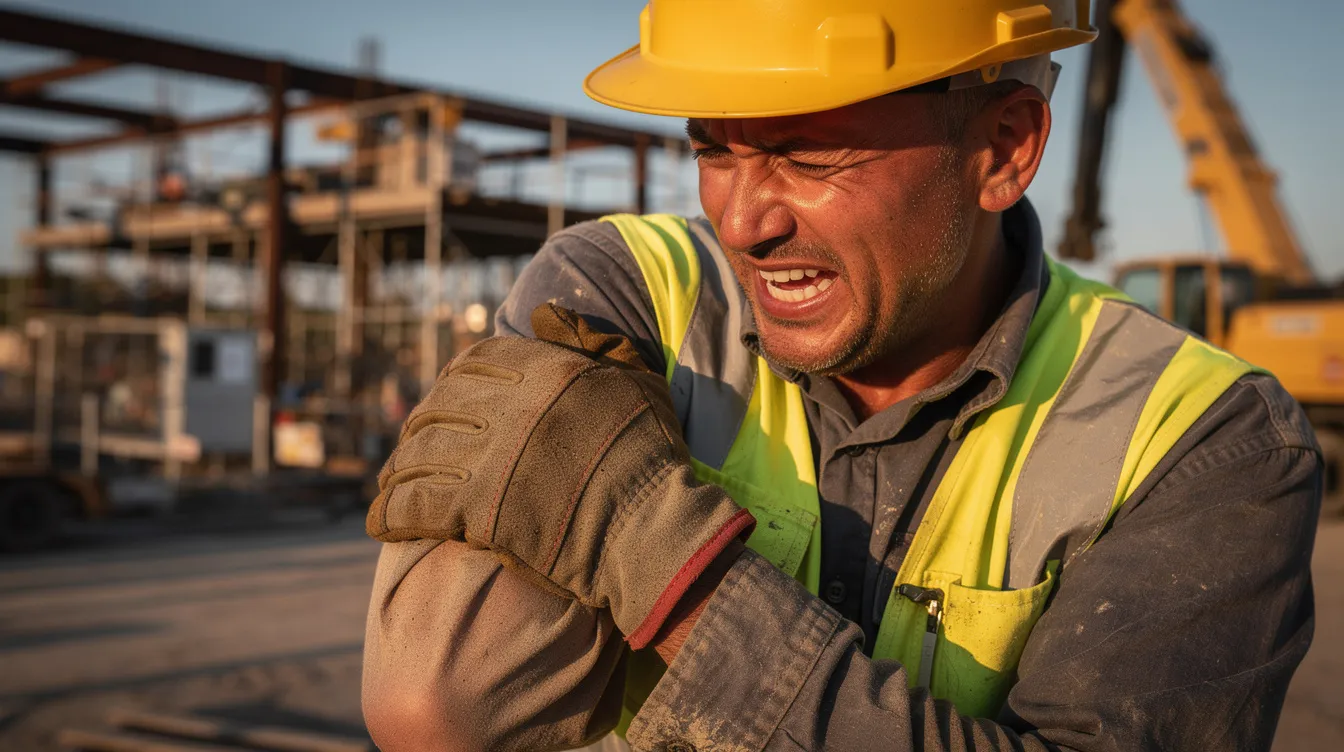
Get Immediate Help With a Colorado Elbow Injury Claim
-
Early legal help can protect crucial medical evidence, prevent missed deadlines, and stop the insurance company from steering your treatment in ways that minimize your workers comp claim value.
-
If you have any elbow or arm injury from work, call Steve Johnston at (719) 309-9484 to review what happened and learn what benefits may be available to you.
-
Prefer to reach out online? Message Johnston Law Firm Online for a free consultation about your workers compensation claim. There is no cost and no obligation.
Common Work-Related Elbow Injuries Covered by Colorado Workers Comp
Colorado workers comp covers medical treatment for workplace injuries across a wide range of diagnoses. Common covered injuries include burns, lacerations, and falls - but elbow injuries specifically deserve attention because they affect grip strength, lifting capacity, and the ability to perform physically demanding jobs.
Here are the elbow conditions we see most often in Colorado workers compensation claims:
-
Lateral epicondylitis ("tennis elbow") - from repeated gripping, lifting, or tool use in construction, warehousing, and agriculture
-
Medial epicondylitis ("golfer's elbow") - from repetitive forceful wrist flexion in assembly-line or mechanical work
-
Olecranon fractures and radial head fractures - from falls, machinery strikes, or crush injuries
-
Elbow dislocations and ligament sprains - from sudden pulling forces or impact injuries
-
Cubital tunnel syndrome - ulnar nerve compression at the elbow causing numbness, tingling, and grip weakness, common in jobs requiring prolonged elbow flexion or pressure
-
Radial nerve injuries - producing forearm pain or wrist drop, sometimes from direct trauma
Elbow injuries frequently occur together with shoulder injuries, forearm strains, or wrist problems. When multiple body parts are involved, the combined upper extremity injuries can significantly affect the total workers compensation benefits available.
Psychological injuries like PTSD can also qualify for workers comp benefits when they arise from a traumatic workplace incident - including the same accident that caused an elbow fracture or dislocation.
How Repetitive Stress and Overuse Elbow Injuries Are Evaluated
Repetitive stress injuries to the elbow do not arrive with a single accident date. They develop over weeks or months in jobs involving assembly-line work, jackhammer use, hand tools, shelf stocking, or even prolonged computer mouse use.
-
Colorado treats these injuries under the occupational illness and cumulative trauma framework. The fact that there was no single "accident day" does not disqualify your claim, but it does make notice and reporting dates more complex.
-
To prove a repetitive elbow condition is work-related, you typically need detailed job descriptions showing the type and duration of repetitive motions, coworker statements confirming the physical demands, and medical evidence linking symptoms to job duties.
-
A physician must provide a medical opinion ruling out significant non-work causes and confirming that your employment was a major contributing cause. Nerve conduction studies, imaging, and thorough clinical histories all support this analysis.
-
An experienced workers compensation attorney can coordinate with medical experts to document that work duties are a major contributing cause of the elbow RSI - which is often the difference between a denied claim and an approved one.
Colorado Workers' Compensation Benefits for Elbow Injuries
Colorado workers comp benefits include both medical and disability benefits. Here is how each type applies to an injured employee with an elbow condition:
-
Medical benefits: All reasonable and necessary medical treatment is covered, including doctor visits, diagnostic imaging, injections, physical therapy, and elbow surgery. Medical care must be authorized through the workers compensation process.
-
Temporary total disability (TTD): If the authorized doctor takes you completely off work, temporary disability benefits pay up to two-thirds of your average weekly wages, subject to statutory caps. The maximum temporary total disability benefit is $1,396.85 per week. Temporary disability benefits start after three days off work.
-
Temporary partial disability (TPD): If you return to light duty or reduced hours at lower pay, temporary partial disability benefits cover a portion of the difference between your pre injury wages and your current earnings. Temporary partial disability benefits end when you return to regular work at your previous wages.
-
Permanent partial disability (PPD): After maximum medical improvement, permanent partial disability benefits are calculated based on the impairment rating assigned to your arm. More on this formula below.
-
Permanent total disability: In rare cases involving catastrophic upper extremity injuries, permanent total disability benefits can last for life if the injured worker is completely unable to return to any gainful employment.
-
Death benefits: If a workplace accident causes a fatality, death benefits cover burial expenses for the deceased worker and provide financial support to surviving dependents.
Two important limitations: workers' compensation does not compensate for pain and suffering or emotional distress. It also does not replace 100 percent of lost wages - it covers two-thirds.
Workers can also request reimbursement for travel expenses related to medical visits, which matters especially in rural southern Colorado where specialists may be an hour or more away.

Understanding Maximum Medical Improvement (MMI) for Elbow Injuries
Maximum medical improvement is the point where an authorized physician believes your elbow condition has plateaued and no further significant improvement is expected with additional treatment. This is one of the most consequential dates in your entire workers comp claim.
-
Temporary disability benefits last until maximum medical improvement is reached. Once MMI is declared, TTD and TPD payments stop, and the focus shifts to your permanent impairment rating, permanent work restrictions, and potential settlement value.
-
Permanent impairment from an elbow injury can result in loss of range of motion and strength - both of which are measured and rated by the physician at MMI.
-
Settlement amounts depend on impairment ratings and maximum medical improvement mmi timing. A premature MMI determination or artificially low rating can cost you thousands of dollars.
-
If you disagree with the MMI determination or impairment rating, Colorado law allows you to request a Division Independent Medical Exam (IME) under C.R.S. § 8-42-107.2. The IME physician is selected through a process involving both parties.
-
Johnston Law Firm routinely reviews proposed MMI dates and impairment ratings to identify whether they are premature or underestimate the long-term impact of elbow dysfunction.
How Colorado Calculates Permanent Disability for Elbow and Arm Injuries
Understanding how scheduled permanent partial disability benefits work can make or break your settlement negotiations.
-
Colorado law treats elbow injuries as part of a "scheduled arm" injury. Under C.R.S. § 8-42-107, total loss of an arm at the shoulder is valued at 208 weeks of benefits. Loss of a hand below the wrist is 104 weeks.
-
An impairment rating scales these weeks proportionally. For example, a 20% arm impairment yields 208 × 0.20 = 41.6 weeks of permanent partial disability benefits at the applicable weekly rate tied to the worker's average weekly wage and statutory caps.
-
Because the AMA Guides (Third Edition, Revised) do not always provide specific ratings for the elbow joint itself, impairment is often assessed as a percentage of the entire upper extremity - which can affect the calculation significantly.
-
Permanent partial disability benefits depend on the impairment rating. Colorado also has a combined benefits cap limiting the total that can be paid for combined temporary disability benefits and permanent partial disability in many cases. Combined benefit caps for 2025 are $192,996.79 for workers with 19% impairment. Higher impairment ratings unlock higher caps.
-
In some situations, the nonscheduled (whole-person) impairment formula yields a higher value than the scheduled formula. When that happens, Colorado law entitles you to the greater amount. Whether an elbow injury should be rated as a scheduled arm injury or as part of a whole person impairment can significantly impact workers compensation settlements.
Medical Treatment for Elbow Injuries in the Colorado Workers Comp System
Medical expenses for a work related injury must be paid by the insurance carrier or employer, but the rules around authorization matter.
-
In non-emergencies, the employer or insurer must provide a designated provider list, and the injured worker usually must choose an authorized treating physician from that list. Failing to follow this rule can result in denied reimbursement for medical costs.
-
Common non-surgical treatments for elbow conditions include rest and work restrictions, bracing and splinting, anti-inflammatory medications, corticosteroid injections, occupational or physical therapy, and ergonomic modifications.
-
When conservative treatment fails, common elbow surgeries include tendon debridement or repair for epicondylitis, nerve decompression for cubital tunnel syndrome, and fracture fixation with plates and screws for olecranon or radial head fractures.
-
If further treatment beyond the Medical Treatment Guidelines is needed, a Prior Authorization Request (form WC-188) must be filed. Treatment within the guidelines uses form WC-195.
-
Keep every medical appointment. Follow your restrictions precisely. Report any radiating pain into the forearm or hand. These actions build a clear medical record that supports your workers compensation claim and makes it harder for the insurance company to dispute your need for future medical care.
Unsure if Your Elbow Injury is Work-Related? Talk to a Colorado Attorney
-
Many workers underestimate how strong their case is, especially when elbow pain developed gradually from repetitive tasks. Whether your condition is caused by work, aggravated by work, or partly pre-existing, legal advice can clarify whether a workers comp claim is appropriate.
-
Call (719) 309-9484 to discuss the specifics of your job duties and medical history with Steve Johnston.
-
Or Message Johnston Law Firm Online with a brief description of your job and elbow symptoms for a free, no-pressure review.
Filing a Colorado Workers Comp Claim for an Elbow Injury: Step-by-Step
Missing a deadline can reduce or eliminate your benefits entirely. Here is the process:
-
Report in writing - fast. You must notify your employer in writing within 10 days of the injury. HB22-1112 changed what had previously been a 4-day reporting window to 10 working days. For repetitive stress injuries, notice must be given within 30 days after you first realize symptoms are work-related. Report your injury in writing within 4 days if possible to be safe - the sooner, the better. Each day of late notice can cost you a day of compensation.
-
Get on the designated provider list. After reporting, the employer should provide a list of designated medical providers within seven business days. Select one promptly for evaluation and treatment.
-
File a formal claim if benefits are not provided. File a claim for benefits after reporting your injury. If your employer or its workers compensation insurance carrier does not voluntarily provide benefits, file a WC-15 Worker's Claim for Compensation with the Colorado Division of Workers' Compensation.
-
Watch the statute of limitations. Claims may be denied if not filed within two years of the injury or the date you knew the condition was work-related.
-
Keep everything. Copies of written notice, medical records, work restriction slips, pay stubs, and wage information all support your claim. Employees injured on the job who maintain organized documentation have stronger cases at every stage.
Elbow Injuries, Modified Duty, and Temporary Partial Disability in Colorado
Elbow-related restrictions commonly include limits on lifting, pushing, pulling, overhead work, or repetitive use of tools. Here is how modified duty interacts with your wage benefits:
-
If your employer offers modified work within the doctor's restrictions, you may be expected to accept it. But the modified job often pays less than your previous wages - especially if you lose overtime, piece-rate bonuses, or shift differentials.
-
When the modified job pays less than your pre injury wages, temporary partial disability benefits may cover two-thirds of the wage difference, calculated from the employee's average weekly wage before the injury, up to statutory caps. The maximum benefit rate for temporary disability is $1,396.85 per week.
-
Do not let an employer or insurer pressure you into exceeding your doctor's elbow restrictions. Returning to heavy work too soon risks reinjury and can undermine your workers comp claim if the insurer argues you were not really impaired.
-
Disputes over whether modified duty is genuinely suitable, or whether lost wage benefits are calculated correctly, are among the most common issues where a workers compensation attorney adds real value to protect the injured employee's income.
Insurance Company Tactics in Colorado Elbow Injury Claims
Understanding how the insurance carrier operates helps you protect your workers comp benefits:
-
Minimizing diagnoses. Insurers often characterize elbow pain as a "minor strain" when imaging or clinical exams support a serious tendon tear, nerve compression, or fracture. This reduces the perceived severity and lowers the impairment rating.
-
Blaming non-work factors. Expect arguments that symptoms come from hobbies (golf, tennis, gardening), age-related degeneration, or pre-existing arthritis. They deploy this tactic heavily against repetitive stress claims.
-
Rushing return to work. Insurers may push for early return to heavy labor, delay authorizing specialist referrals or MRIs, or schedule independent medical exams with physicians known for finding that the elbow has "fully healed."
-
Low-balling impairment ratings. At MMI, the insurer's physician may assign a minimal impairment rating to reduce permanent disability benefits. A difference of even a few percentage points translates to weeks of lost compensation.
-
Delaying treatment authorization. Slow-walking approvals for surgery, advanced imaging, or specialist consultations is a common way to pressure injured workers into settling cheaply or giving up.
The insurer's doctor does not have the final word. If you sense your claim is being downplayed or delayed, you have options - including requesting an IME and obtaining legal representation.
Protect Your Colorado Workers Comp Benefits After an Elbow Injury
-
Before you accept an impairment rating, sign any settlement, or return to demanding work after an elbow injury, speak with an experienced workers compensation attorney who understands the workers compensation process from start to finish.
-
Call Steve Johnston at (719) 309-9484 to review the status of your medical treatment, temporary partial disability benefits, and potential permanent disability rights.
-
Message Johnston Law Firm Online if you have questions about combined benefits caps, settlement options, or ongoing elbow pain that is still not resolved.
When an Elbow Injury Affects the Shoulder, Wrist, or Hand
Elbow injuries rarely stay isolated. Altered mechanics after an elbow injury commonly lead to secondary problems:
-
Shoulder injuries from compensating with the shoulder girdle when elbow motion is restricted - especially in overhead work
-
Wrist and hand strain from changed gripping patterns and altered forearm mechanics
-
Nerve symptoms radiating from the elbow into the hand, causing numbness, tingling, or loss of fine motor control
When multiple upper-extremity body parts are involved, the overall impairment rating and benefit calculations become more complex and may increase case value substantially. A worker with both an elbow and shoulder injury may face serious permanent lifting restrictions that eliminate the ability to return to construction, warehouse, or nursing jobs.
If your elbow and shoulder injuries also stem from a third-party accident - such as a work-related motor vehicle crash - you may have a personal injury claim in addition to workers compensation. Johnston Law Firm handles both types of cases, including automobile accident claims.
How Johnston Law Firm Helps With Colorado Elbow Injury Claims
-
Steve Johnston has represented injured workers across Colorado since the early 2000s, including many upper extremity injuries and repetitive stress workers comp cases in Pueblo and throughout southern Colorado.
-
The firm investigates job duties, gathers medical records, works with treating physicians, and challenges low impairment ratings or premature MMI determinations related to elbow injuries.
-
Johnston Law Firm coordinates workers compensation claims with related personal injury or automobile accident cases when a third party's negligence contributed to the elbow injury.
-
Employers in Colorado with one or more employees must carry workers compensation insurance, and the firm holds insurers accountable for the full benefits the law provides - including medical care, lost wages, and permanent disability benefits.
-
In rural counties like Otero, Fremont, and Huerfano, access to specialized elbow surgeons and hand specialists can be limited. The firm helps coordinate referrals and fights for authorization when insurers delay or deny specialist access, so injured workers receive the medical care they need regardless of where they live.
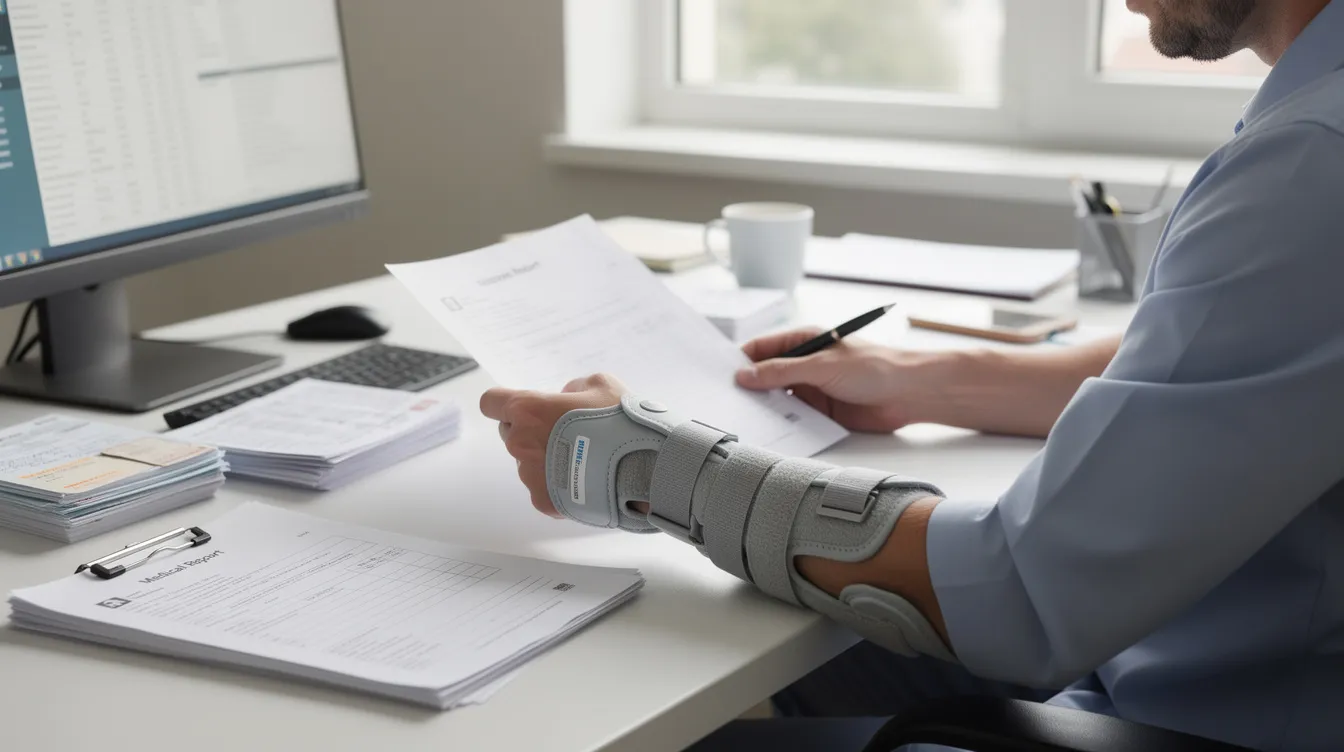
Your Colorado Elbow Injury Case Is Unique: Get Individual Advice
-
Online information cannot replace legal advice tailored to your specific elbow injury, work situation, and financial needs. How your age, the worker's average weekly wage, permanent restrictions, or combined injuries affect your claim requires individual analysis.
-
Call (719) 309-9484 to speak with Johnston Law Firm about your Colorado workers comp case and the potential long-term impact on your job and income.
-
Request Your Free Consultation Online at a convenient time, whether you are in Pueblo, Pueblo West, or another Colorado community.
FAQ: Colorado Workers Comp Elbow Injury Questions
The following answers provide general guidance and do not create an attorney-client relationship. Every case is different.
Can I get Colorado workers comp benefits if my elbow injury developed slowly over time?
Yes. Gradual elbow problems from repetitive tasks can qualify as occupational injuries under Colorado workers compensation if work is a significant contributing factor, even without a single accident date. The key is to promptly report when symptoms become serious enough to affect your work and to ask your doctor to document work-related causation in the medical records. Proving a repetitive stress elbow injury is work-related can be more complex than proving a fracture from a fall - this is one of the most common reasons workers consult an experienced workers compensation attorney.
What if the insurance company says my elbow problem is "just arthritis" or pre-existing?
Under Colorado law, an employer can be responsible when work aggravates, accelerates, or combines with a pre-existing elbow condition to create disability or need for treatment. Insurers frequently overuse the "pre-existing" argument to reduce or deny benefits. Medical opinions from your authorized treating physician - and potentially from an IME physician - are crucial to distinguish natural aging from work-related aggravation. A lawyer can help obtain supportive medical evidence and challenge denials based on alleged pre-existing conditions.
Can I choose my own elbow specialist in a Colorado workers comp case?
After the initial injury report, the employer or insurer usually provides a designated provider list. You must choose an authorized treating physician from that list for your treatment to be covered. In some circumstances, you can request a change of provider or seek second opinions, but unauthorized treatment may not be reimbursed without prior approval. Speak with a workers compensation attorney before switching doctors to avoid jeopardizing coverage for elbow treatment.
How long do I have to file a Colorado workers comp claim for an elbow injury?
You must generally provide written notice to your employer within 10 working days of the injury (or within 30 days for occupational diseases). A formal claim must be filed with the division of workers compensation within two years. Delays make it harder to prove that an elbow condition is related to work, especially with repetitive stress injuries or when job duties have changed. If you are worried about deadlines, contact a workers compensation attorney promptly to review your specific timelines.
Can I get a lump sum settlement for my elbow injury in Colorado?
Many Colorado workers comp cases, including elbow injuries, eventually resolve through negotiated settlements that may provide financial assistance as a lump sum in exchange for closing some or all future benefits. Most Colorado workers' comp settlements range from $20,000 to $60,000. Severe cases can exceed $600,000 in settlements. Settlement decisions should account for permanent work restrictions, future medical care needs, and interaction with combined benefits caps and potential Social Security Disability benefits. Never accept a lump sum offer without understanding how it compares to the full value of your permanent partial disability benefits and other Colorado workers compensation benefits, including maximum benefits available under the law. Workers compensation settlements should provide financial support that reflects the true long-term impact of your injury on your ability to earn previous wages and maintain gainful employment.
Talk With Johnston Law Firm About Your Colorado Elbow Injury
Johnston Law Firm is based in Pueblo and represents injured workers statewide, bringing experience with workers compensation, personal injury, and Social Security Disability to elbow and upper-extremity cases. The firm understands the challenges workers face in administrative courts, the tactics insurers use to minimize Colorado disability benefits, and the difference a thorough impairment rating review can make in a settlement.
If you are dealing with denied treatment, reduced temporary partial disability checks, a low impairment rating, or a confusing settlement offer, call Steve Johnston at (719) 309-9484 for a personal review of your case.
Contact Johnston Law Firm Online right now to schedule a free consultation and start getting clear answers about your Colorado workers comp elbow injury claim. Every week you wait gives the insurance company more time to build their case against yours.