Denied Workers Comp Claim Colorado: The 7 Real Reasons Insurance Carriers Don’t Tell You
Introduction: Your Claim Was Denied – Now What?
Getting a denial letter for your workers compensation claim can feel like a punch to the gut. You were hurt on the job, you followed the rules, and now an insurance company is telling you that you don’t deserve benefits. If your claim has been denied, it’s important to know you’re not alone—and a denial is not the end of your case.
Here’s what many injured workers don’t realize: a significant portion of legitimate claims get denied at first. Insurance carriers have financial incentives to say “no” and hope you’ll give up. Many of these denials are overturned on appeal when workers fight back with the right evidence and legal support.
Workers in Pueblo, Otero, Fremont, Custer, Huerfano, Las Animas, and Crowley Counties face unique challenges that can make denials even more common:
Smaller employers without dedicated HR departments to file paperwork correctly
Rural medical care that requires long drives to see specialists in Colorado Springs or Denver
Limited access to occupational medicine doctors who understand workplace injuries
Insurance adjusters based out of state who don’t understand local working conditions
Not only injuries, but work related illness claims can also be denied and require similar steps to challenge the decision.
If your workers comp claim was denied, call Johnston Law Firm, LLC at (719) 309-9484 or message us online for a free consultation. Steve Johnston has extensive experience helping injured workers across Colorado fix denied and underpaid claims. He knows the tactics insurance companies use—and he knows how to beat them.
This page will cover:
The 7 real reasons your claim is denied (that insurers don’t tell you)
How to decode your denial letter
The Colorado appeals process and strict filing deadlines
Evidence that can turn a denied claim into an approved one
What to do right now if you received a denial
Acting in a timely manner is crucial after a claim has been denied to protect your rights and meet important deadlines.
Carefully reviewing the denial letter is the first step in planning your response.
The appeals process for denied workers' compensation claims in Colorado involves several steps, each with its own rules and deadlines.
The Role of the Colorado Division of Workers’ Compensation in Your Claim
When your workers compensation claim is denied, the Colorado Division of Workers’ Compensation (DOWC) becomes a key player in your fight for benefits. The DOWC oversees the entire workers comp claim process, ensuring that both injured workers and insurance companies follow Colorado law and that claims are handled fairly and efficiently.
If your claim is denied, the DOWC reviews all the evidence submitted by you and the insurance company—including medical records, witness statements, and any other documentation related to your injury. Their job is to determine whether you are eligible for workers compensation benefits based on the facts and the law. If the DOWC finds in your favor, they will order the insurance company to pay the benefits you are owed. If not, you still have the right to continue your appeals process through the Industrial Claim Appeals Office.
Beyond reviewing claims, the DOWC is responsible for making sure insurance companies provide timely medical treatment and pay benefits in accordance with Colorado law. They also offer guidance to injured workers, helping you understand your rights, responsibilities, and the steps you need to take if your claim is denied. If you need further information about your comp claim or the appeals process, the DOWC is a valuable resource.
Strict filing deadlines apply at every stage, so it’s crucial to act quickly if your claim is denied. Gathering the right evidence—such as updated medical records and credible witness statements—can make all the difference in your case. An experienced workers compensation lawyer can help you navigate the DOWC’s procedures, prepare your appeal, and represent you at hearings before the industrial claim appeals office or administrative law judge.
Remember, the DOWC is there to enforce the rules and protect your rights, but having a knowledgeable attorney on your side can significantly increase your chances of success. If you’re facing a denied workers compensation claim, don’t hesitate to reach out for a free consultation. The right legal guidance can help you secure the benefits and medical treatment you deserve, even when the insurance company says no.
The 7 Real Reasons Colorado Workers’ Comp Claims Get Denied
Insurance companies rarely admit the real business reasons for denying claims. Their denial letter might say something vague like “not work-related” or “insufficient documentation,” but there’s almost always a specific strategy behind every rejection.
At Johnston Law Firm, we’ve seen these tactics play out hundreds of times across Colorado. Below, we’ll break down seven specific denial reasons that commonly appear in cases we handle—many of which the insurance company hopes you won’t understand or challenge.
The 7 most common denial reasons:
You missed a Colorado reporting or filing deadline
You didn’t get prompt or consistent medical treatment
The insurer says your injury “wasn’t really work-related”
They blame a pre existing conditions or old injury
The insurance company attacks your credibility
A drug or alcohol test result is being used against you
Paperwork, “technicalities,” and denials hidden in the fine print
Claims for work related illness are also frequently denied for similar reasons, especially if there is insufficient documentation connecting the illness to your work activities.
In Colorado, workers' compensation claims can be denied due to late reporting, lack of medical evidence, pre-existing conditions, or disputes over whether the injury occurred within the scope of employment.
Compare these reasons with your own denial letter. Understanding what the insurer is really arguing is the first step toward building a winning appeal.

1. You Missed a Colorado Reporting or Filing Deadline (Even by a Few Days)
Colorado law has strict rules about when and how you must report a workplace injury. Under C.R.S. § 8-43-102, you’re required to give your employer written notice within 10 days of when the injury happened, and it is crucial to do so in a timely manner. There’s also a 2-year statute of limitations for filing a claim with the division of workers compensation.
Insurance carriers love late reporting denials because they’re easy to argue. Even if you told your supervisor verbally the day of the accident, the insurer may claim you never gave proper written notice. This is especially common in construction, warehouse, and oilfield jobs where informal reporting is the norm.
Common real-world scenarios we see:
Pain that develops gradually after a shift or worsens over several days
Injuries reported to a foreman or supervisor but never documented with human resources
Employers who “lose” the incident report or claim they never received it
Workers who didn’t realize an injury was serious until symptoms got worse
The good news: judges can sometimes excuse delays when there’s good cause and supporting evidence. Johnston Law Firm often reconstructs the timeline using text messages, e mail exchanges, timecards, and supervisor statements to overcome late reporting denials.
If you’re worried you missed a deadline, call (719) 309-9484 or message us online immediately. Steve Johnston can evaluate your options before time runs out completely. Deadlines in Colorado's appeals process are strict, and missing them can result in loss of benefits.
2. You Didn’t Get Prompt or Consistent Medical Treatment
A “gap in treatment” is one of the most common reasons insurance carriers deny claims. If you waited days or weeks to see a doctor after your injury occurred, the insurer will argue that you must not have been hurt that badly—or that something else caused your symptoms. Delays in seeking care for a work related illness can also result in claim denial, so it is important to document and establish the connection between the illness and your work activities.
This denial tactic is particularly unfair to workers in Southern Colorado. Consider these realities:
Pueblo workers often must drive to Colorado Springs or Denver for specialists
Many employees lack health insurance and hesitate to seek medical attention
Workers in physically demanding jobs try to “tough it out” rather than miss work
Emergency room visits get delayed because workers can’t leave their shift
Colorado law does allow claims where symptoms develop over time, such as repetitive motion injuries or back pain that builds after years of heavy lifting. The key is establishing medical documentation that connects your current condition to your job duties.
Johnston Law Firm works with authorized treating physicians and independent specialists to properly document injuries and support claims. Following your doctor’s restrictions and attending all appointments is critical—any missed appointments become ammunition for the insurance company to claim you’re not really hurt.
What if the insurer refuses to approve an MRI, surgery, or specialist visit? This happens frequently. You have the right to request a hearing before an administrative law judge to challenge denied medical treatment. Don’t accept “no” as the final answer on medical care you need.
3. The Insurer Says Your Injury “Wasn’t Really Work-Related”
This denial reason shows up constantly: the insurance company argues your injury didn’t actually happen at work, or that it was caused by personal activities, an unpaid break, or your commute.
Specific Colorado examples we handle:
Injuries on ranches where the line between “work” and personal activity blurs
Construction accidents along I-25 or at job sites between Pueblo and Colorado Springs
Warehouse injuries in Pueblo West where employers claim the worker was “on break”
Traveling employee injuries while driving between job sites
Here’s what many workers don’t know: injuries during travel for work, in company vehicles, or at off-site job locations are often still covered under Colorado workers compensation law. The question is whether the injury arose out of and in the course of employment—and that’s a legal determination, not something the insurance company gets to decide unilaterally.
Strong evidence makes all the difference:
Witness statements from co-workers who saw the accident
Incident reports filed the day of the injury
Security camera footage
Consistent descriptions of how the injury happened
Medical opinions linking the mechanism of injury (lifting, twisting, fall from height) to your specific job duties
Steve Johnston regularly cross-examines employer witnesses who try to minimize or deny what really happened on the job. When the opposing party claims you weren’t hurt at work, you need an experienced workers compensation lawyer who can prove otherwise.
4. They Blame a “Pre-Existing Condition” or Old Injury
This is one of the most frustrating denial tactics for injured workers. The insurance company digs through your medical records, finds any mention of prior pain or treatment, and argues that your current problems are just “pre-existing” rather than work-related.
Here’s what Colorado law actually says: Workers compensation still covers aggravations of pre existing conditions. If you had mild back issues before and then suffered a serious injury at a Pueblo factory, you can still receive benefits for the new damage your job caused.
The insurer’s strategy is to pull old medical records and use them against you. A note from five years ago mentioning occasional knee discomfort suddenly becomes “proof” that your torn meniscus has nothing to do with falling off a ladder at work.
Example: A 55-year-old warehouse worker has medical records showing occasional knee pain treated with over-the-counter medication. After a fall at work in 2023, an MRI shows a major new tear. The insurance company denies the claim, pointing to those old records. But with proper medical evidence distinguishing the old baseline symptoms from the new, work-related damage, the denial can be overturned.
Johnston Law Firm works with doctors to clearly distinguish between pre-existing baseline symptoms and new injuries caused by workplace accidents. The key is framing the medical evidence correctly—not hiding your history, but explaining how work aggravated your condition beyond what existed before.
If you have prior injuries and received a denied workers compensation claim, call (719) 309-9484 or message us online. Steve can review whether your aggravation should still be covered under Colorado law.

5. The Insurance Company Attacks Your Credibility
Insurance carriers employ investigators, review social media, and sometimes even hire surveillance teams to catch injured workers doing things they claim they can’t do. Any inconsistency—no matter how minor—becomes grounds for calling you a liar.
Examples of credibility attacks we see:
Minor differences between what you told the ER nurse and what you said later to your treating physician
Social media posts showing you at a family gathering or walking through a parking lot
Surveillance video of you carrying a grocery bag or bending down to pick something up
A co-worker’s statement that conflicts slightly with your version of events
Here’s the reality the insurance company won’t acknowledge: being able to walk to your car or attend your child’s birthday party doesn’t mean you can safely return to full-duty work. Chronic pain, lifting restrictions, and limited mobility can coexist with being seen in public doing normal daily activities.
Protecting your credibility:
Tell the same story to supervisors, doctors, and the insurer from day one
Avoid posting anything about your injury on social media
Follow all medical restrictions, even on “good days”
Keep a pain and limitation journal documenting your daily symptoms
Johnston Law Firm prepares clients for testimony, reviews surveillance evidence, and cross-examines insurer doctors who try to claim injuries are “mild” or “resolved.” When the insurance company attacks your credibility, you need an attorney who can defend your honesty and expose their tactics.
6. A Drug or Alcohol Test Result Is Being Used Against You
Under Colorado law, a positive test for alcohol or drugs—including marijuana, which is legal recreationally in Colorado—can lead to denial or reduction of workers compensation benefits. This is a major trap for many employees.
But here’s what the insurance company doesn’t tell you: The presence of THC or alcohol in your system does not automatically prove you were intoxicated at the time of the accident, or that impairment caused the injury.
Common scenarios we handle:
Post-accident tests conducted hours after the injury happened
Legal recreational marijuana use days before the workplace accident
Prescription medications that showed up on a drug panel
Tests with chain-of-custody problems or questionable lab procedures
Johnston Law Firm challenges flawed drug and alcohol tests by examining:
Timing of the test relative to the injury
Chain-of-custody documentation
Whether the employer followed proper testing protocols
Medical evidence about actual impairment versus mere presence of a substance
Do not assume you have no case after a positive test. Do not give recorded statements to the insurer admitting fault. Many workers with failed tests still receive full workers compensation benefits when the evidence is properly challenged.
If you have a denied workers comp claim involving a drug or alcohol test, call (719) 309-9484 immediately or contact us online for a confidential review. Time is critical in these cases.
7. Paperwork, “Technicalities,” and Denials Hidden in the Fine Print
Many denials have nothing to do with the merits of your injury. Instead, the insurance company exploits incomplete forms, missing signatures, late filings, or confusion with the division of workers compensation process.
Colorado forms and steps that trip up unrepresented workers:
Employer’s First Report of Injury (which the employer must file)
WC claim filing with the Division of Workers’ Compensation
Application for Hearing with the Office of Administrative Courts
Responses to discovery requests and medical records releases
Injured workers in smaller counties like Custer, Crowley, Huerfano, and Las Animas are at a particular disadvantage. Without local HR departments or easy access to legal resources, missing paperwork and missed deadlines are common.
Insurance companies have entire teams—and their own attorneys—whose job is to exploit these technical mistakes. A form filed one day late, a missing doctor’s signature, or a procedural error can result in claim denial even when your injury is 100% legitimate.
Johnston Law Firm tracks deadlines, files correct forms, and fixes earlier paperwork problems when taking over denied claims. Even if you tried to handle your claim alone and made mistakes, Steve can often step in and correct course if critical deadlines haven’t fully expired.
Understanding Your Colorado Workers’ Comp Denial Letter
Every denial should come with written notice from the insurance company explaining why your claim was rejected. Unfortunately, these letters often use vague, coded language designed to confuse you.
What to do with your denial letter:
Keep the letter, the envelope it came in, and any related emails—dates are critical
Note exactly when you received the notice (this starts your appeal clock)
Look for specific phrases that indicate the denial reason
Common denial language and what it really means:
Phrase in Denial Letter | What It Really Means |
|---|---|
“Lack of causal relationship” | They’re claiming your injury isn’t work-related |
“Injury not in course and scope of employment” | They’re saying you weren’t doing your job when hurt |
“Insufficient medical evidence” | They want more documentation from doctors |
“Pre-existing condition” | They’re blaming prior health issues |
“Failure to provide timely notice” | They’re claiming you reported too late |
Compare your denial letter against the seven reasons listed above to decode what the insurer is really arguing. Understanding their position is essential for building your appeal.
Johnston Law Firm offers to review denial letters at no charge for injured workers anywhere in Colorado. Call (719) 309-9484 or message us online or upload your denial letter through our online contact form for a same- or next-business-day response.
The Colorado Appeals Process for Denied Workers’ Compensation Claims
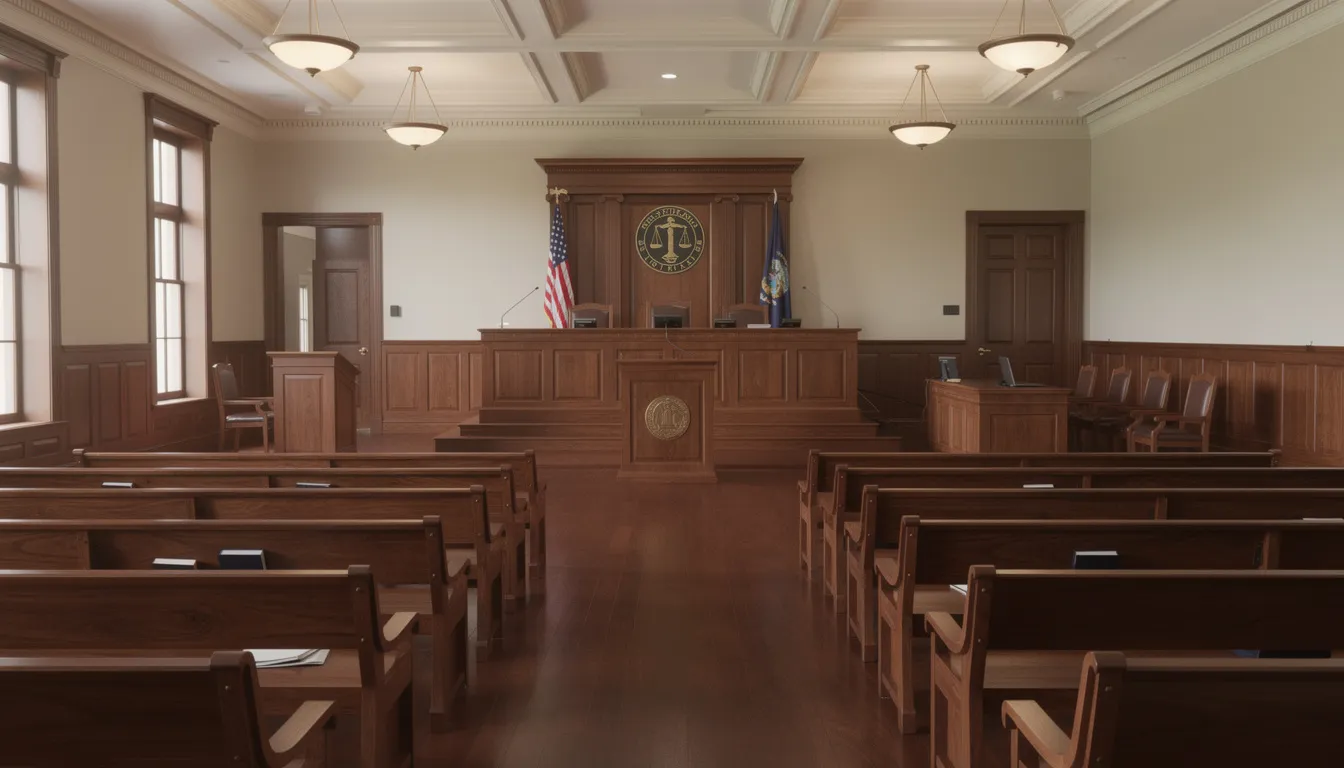
When your workers comp claim has been denied, you have the right to challenge that decision through a structured appeals process. After your claim has been denied, you can file an appeal to contest the decision and seek the benefits you deserve. Here’s how it works:
The appeals path:
Dispute with insurer – Sometimes a denial can be resolved by providing additional medical evidence or correcting paperwork
Request a Prehearing or Settlement Conference – You may request a Prehearing or Settlement Conference to informally resolve disputes before a formal hearing.
Application for Hearing – Filed with the Office of Administrative Courts to request a hearing before an administrative law judge (ALJ)
ALJ Hearing – Functions like a mini-trial with testimony, cross-examination, and medical experts. After the ALJ hearing, claimants must order hearing transcripts and file a brief outlining their legal arguments as part of the appeals process.
Industrial Claim Appeals Panel (ICAP) – Reviews ALJ decisions if you file a petition to review within 20 days. If the ICAP issues a decision, claimants can appeal to the Colorado Court of Appeals within 21 days.
Colorado Court of Appeals – Further appellate review if ICAP ruling is unfavorable
Critical deadlines you cannot miss:
20 days to file a petition to review after an ALJ order
20 days to submit supporting briefs
Hearings typically scheduled within 4 months of application
ALJ decisions usually issued within 15 business days after hearing
The appeals process involves strict filing deadlines that, if missed, can permanently end your case. After you file an appeal, the opposing party has 20 days to respond to the appeal in Colorado. Once the appeal is filed, it is handed over to an administrative law judge who will issue a decision. The appeals process can take between three to four months to resolve in Colorado. This is why working with an experienced workers compensation lawyer from the start is so important.
What happens at an ALJ hearing:
You and witnesses testify under oath
The opposing party (the insurance company’s attorney) cross-examines you
Medical records and expert opinions are submitted as evidence
The judge issues a written decision
Johnston Law Firm prepares exhibits, subpoenas witnesses, and questions doctors and insurance adjusters in Pueblo, Denver, and throughout Colorado. Many cases settle before the hearing once the insurer sees that the worker is represented and prepared to fight. We are committed to the Colorado fight for injured workers contesting denied claims and advocating for your rights every step of the way.
Your step-by-step action plan:
Read your denial letter carefully and note the date
Contact an attorney immediately
File a hearing request before deadlines expire
Gather all evidence (medical records, witness statements, photos, accident reports) to support your appeal
Attend your hearing prepared to testify
The workers' compensation appeal process in Colorado is filled with complex legal nuances and strict filing deadlines. An experienced workers' compensation attorney can help gather the right evidence and prepare witnesses for your appeal.
Evidence That Can Turn a Denied Claim Into an Approved One
Strong evidence can change an insurer’s position or persuade a judge to award benefits even after an initial denial. The right evidence proves that your injury happened at work, is as serious as you claim, and requires the medical treatment and lost wages you’re seeking.
Key evidence types that win denied claims:
Updated medical reports – Recent evaluations documenting your current condition
MRIs and imaging – Objective proof of injuries like torn ligaments, herniated discs, or fractures
Specialist opinions – Orthopedic surgeons, neurologists, or occupational medicine doctors
Work restrictions – Documentation from your treating physician about what you can and cannot do
Witness statements – Co-workers who saw the accident or can describe your job duties
Accident photos – Pictures of the scene, equipment, or hazardous conditions
Incident reports – Official documentation filed with your employer
Safety logs – Records showing equipment problems or prior accidents
Example: In one Colorado case, a construction worker’s denied back injury claim was overturned after his attorney obtained a detailed medical opinion explaining exactly how lifting heavy materials on the job caused a new disc herniation—distinct from mild prior complaints. Combined with a co-worker’s testimony about the specific incident, the evidence package convinced the ALJ to award full benefits.
Johnston Law Firm coordinates with treating doctors and may recommend independent experts when the insurer’s medical evidence is weak or biased. We help you build the right evidence package before your hearing.
Protect your evidence from day one:
Save all texts, e mail messages, and photos from the day of the accident
Do not give recorded statements to insurers without legal advice
Keep copies of every document you send or receive
Document your symptoms and limitations daily
Why Choose Johnston Law Firm, LLC for a Denied Workers’ Comp Claim?
Steve Johnston is a Pueblo-based attorney whose practice focuses on helping real people with serious legal problems. His six key practice areas include workers’ compensation, personal injury, automobile accidents, estate planning, criminal law, and social security law.
When it comes to denied workers compensation claims, Steve brings the knowledge and courtroom experience needed to take on insurance companies. He represents injured workers across Colorado, including Otero, Fremont, Custer, Huerfano, Las Animas, and Crowley Counties—areas where workers often struggle to find local legal help.
Advantages of working with Johnston Law Firm:
A local, trial-ready lawyer who understands Southern Colorado employers, insurers, and doctors
Experience with denied claims involving back injuries, shoulder and knee tears, falls from heights, repetitive trauma, and catastrophic injuries
Knowledge of the industrial claim appeals process and how to navigate the Colorado court system
A commitment to fighting for workers’ compensation benefits—not quick, lowball settlements
Johnston Law Firm handles workers compensation cases on a contingency fee basis, meaning you pay no attorney fee unless there is a recovery of benefits or settlement.
What new clients can expect:
A careful review of your denial and all supporting documents
A clear explanation of your legal options
A plan tailored to your specific medical and financial needs
Regular communication throughout your case
Aggressive representation at hearings and in negotiations
What To Do Right Now If Your Colorado Workers’ Comp Claim Was Denied
If you just received a denial, time is critical. The appeals process has strict filing deadlines, and waiting too long can permanently end your right to benefits.
Your “first 48 hours after denial” checklist:
[ ] Read the denial letter and note the exact date you received it
[ ] Keep all documents, including the envelope and any e mail correspondence
[ ] Continue seeing your doctor and following medical treatment plans
[ ] Do not post anything about your injury or claim on social media
[ ] Do not give recorded statements to the insurance adjuster
[ ] Do not sign any settlement documents without legal advice
[ ] Gather any evidence you have: photos, texts, witness contact information
[ ] Contact an experienced attorney immediately
It’s not too late to get legal help even if you tried to handle the claim alone at first. Many workers come to Johnston Law Firm after initial mistakes—and we’re often able to fix the situation if deadlines haven’t fully expired.
Call Johnston Law Firm, LLC at (719) 309-9484 now or message us online through our online form for a free consultation. There’s no obligation, and you’ll get honest answers about whether your denied workers compensation claim can be won.
Steve Johnston is ready to fight for injured workers across Colorado. You deserve the medical bills covered, the lost wages replaced, and the medical care you need to recover. Don’t let an insurance company’s denial letter be the final word on your claim. Accidents happen on the job every day—and when they do, Colorado workers deserve an attorney who will stand up for their rights.
Contact Johnston Law Firm today and let’s talk about your case.