Independent Medical Exam Colorado Workers Comp: What They Are Really For
If you’ve been injured on the job in Colorado, you may receive a letter from your workers compensation insurance company scheduling you for an independent medical exam. The name sounds neutral—even reassuring. But before you attend, you need to understand what this exam is really about.
An independent medical examination is a one-time evaluation by a doctor who is not your treating physician. In Colorado workers’ compensation cases, these exams are almost always requested and paid for by the insurance carrier. The goal is rarely to help you get better. Instead, the insurance company uses IME reports to challenge your treatment, reduce your benefits, or cut off your medical care entirely. The results of an IME can have a significant impact on the outcome of your workers compensation claim.
Colorado has specific rules governing these exams, including a special process called a Division Independent Medical Examination (DIME) under C.R.S. § 8-42-107.2. DIMEs can decide critical issues like whether you have reached maximum medical improvement and what your permanent impairment rating should be. The stakes are high, and the process is stacked against injured workers who don’t know the rules.
If you have received an IME scheduling letter, call Johnston Law Firm, LLC at (719) 309-9484 or message us online before the exam date.** Steve Johnston has years of experience helping injured workers throughout Pueblo, Colorado Springs, Denver, and counties like Otero, Fremont, Custer, Huerfano, Las Animas, and Crowley navigate this process and protect their workers compensation benefits.
What Is an Independent Medical Exam in a Colorado Workers’ Comp Case?
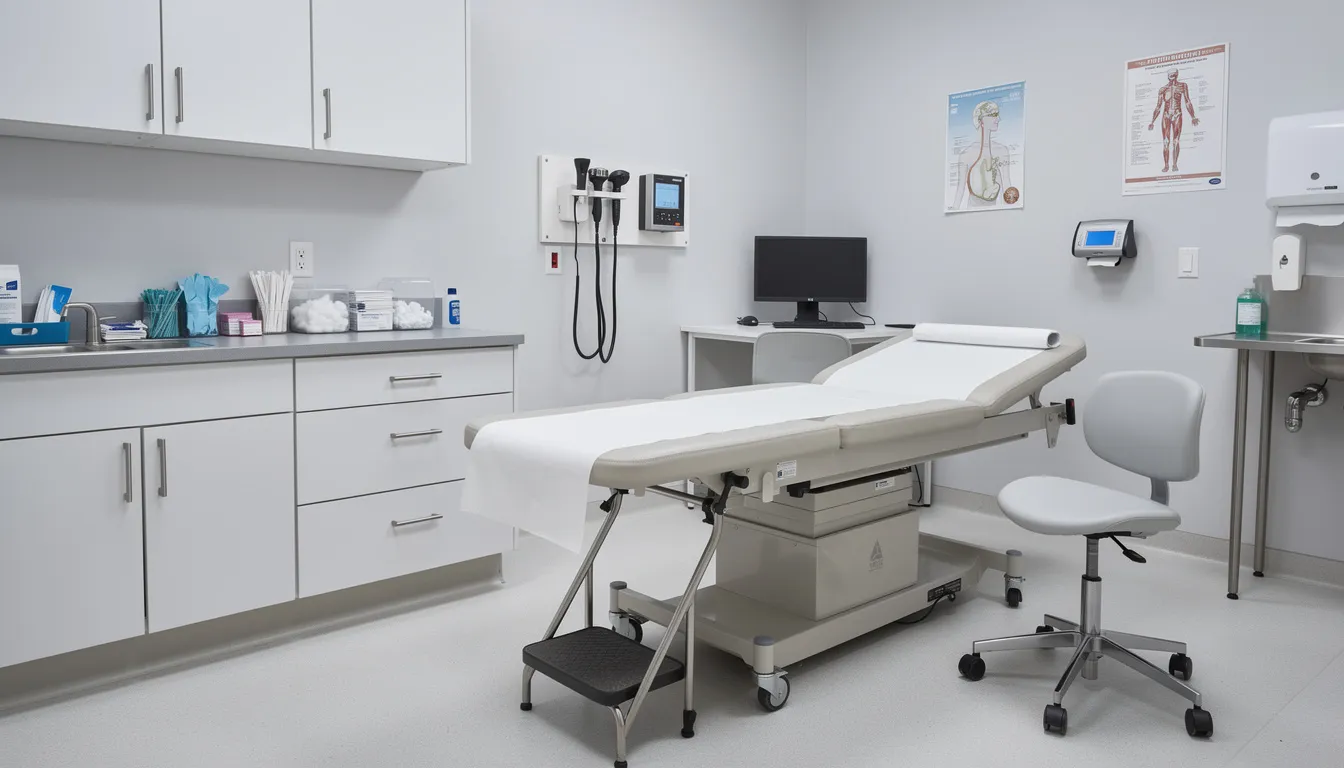
An independent medical exam is a single medical evaluation conducted by a doctor who is not part of your regular treatment team. In a workers comp claim, this physician reviews your medical records, conducts a physical exam, and issues a written report with opinions about your condition. Physicians perform independent medical examinations according to specific legal and procedural requirements set by Colorado law.
Here’s what most injured workers don’t realize: the workers compensation insurance company pays for the IME and selects the doctor. That arrangement raises obvious questions about how truly “independent” the exam can be. The IME doctor has no ongoing relationship with you and no responsibility for your care. Their job is to provide an opinion—often one that helps the insurer limit what they have to pay.
There are important distinctions between types of IMEs in Colorado:
Type of Exam | Who Requests It | Purpose |
|---|---|---|
Insurance-ordered IME | Insurance carrier | Challenge treatment, dispute work restrictions, question whether injury is work-related |
Division Independent Medical Examination (DIME) | Either party | Resolve disputes about MMI and impairment rating under Colorado law |
Second Opinion IME | Mutual agreement | Rarely occurs; fallback when parties cannot agree on a doctor |
When an IME is requested, the requesting party must notify all other parties in writing of the request for an IME. After this notification, the parties have thirty days to negotiate and select an IME.
IME physicians are typically Level II accredited by the Colorado Division of Workers’ Compensation. This accreditation requires specialized training to issue impairment ratings under Colorado guidelines and the AMA Guides to the Evaluation of Permanent Impairment (3rd Edition Revised). The selection of IME or DIME physicians often involves a revolving selection process, where a list of qualified physicians is used to ensure impartiality. The revolving selection process established by the Division is designed to rotate among physicians, maintain confidentiality, and allow parties to strike names from the list, ensuring fairness and appropriate specialization.
Steve Johnston regularly advises injured workers facing IMEs throughout Colorado, including Pueblo, Otero, Fremont, Custer, Huerfano, Las Animas, and Crowley Counties. The rules are the same statewide, but having local legal counsel who understands the doctors, insurers, and procedures in your area makes a real difference.
Why IMEs Are Really Requested in Colorado Workers’ Comp Cases
Let’s be direct: insurance companies request IMEs to find reasons to reduce or deny your benefits. This is not speculation—it’s how the system works in practice.
When an insurance carrier schedules you for an independent medical evaluation, they are typically looking for support to:
Question whether your injury is truly work-related
Argue that you reached maximum medical improvement earlier than your treating doctor determined
Deny ongoing medical treatment like surgery, injections, physical therapy, or medications
Reduce your permanent impairment rating to lower permanent partial disability benefits
Claim your symptoms come from pre-existing conditions, not the work accident
These IMEs focus on important factors that influence workers compensation outcomes, such as whether you have reached maximum medical improvement, if you have any permanent disabilities, and what work restrictions may apply.
The IME report can directly affect every aspect of your workers compensation case. If the IME doctor says you have reached MMI, the insurance company may stop paying temporary total disability benefits immediately. If the report disputes the need for additional treatment, your surgery or therapy may be denied. If the impairment rating comes in low, your permanent partial disability benefits shrink accordingly.
IME doctors often downplay pain complaints, attribute ongoing symptoms to age or prior conditions, or characterize a serious injury as a temporary strain. Meanwhile, your authorized treating physician—the doctor who actually examined you multiple times and ordered tests—may have documented significant damage that the IME report conveniently minimizes.
Consider this scenario: A Pueblo warehouse worker injures his back lifting heavy boxes. His treating doctor orders an MRI showing disc herniation and recommends surgery. The workers compensation insurance company schedules an IME. The chosen doctor spends 20 minutes with the worker, writes a report saying the injury is just a strain, and opines that the worker has reached MMI with a 2% whole person impairment rating. Suddenly, the insurance carrier issues a final admission cutting off treatment and offering minimal benefits.
This happens in Colorado workers’ comp cases every day.
If you have already received an IME scheduling letter, call (719) 309-9484 or message us online before the exam. Steve Johnston can review what is really at stake and help you prepare.
The Importance of Medical Records in Your IME
Medical records are the backbone of any independent medical examination in a Colorado workers’ compensation case. Whether you’re facing a standard IME requested by the insurance company or a Division Independent Medical Examination (DIME) to resolve disputes, your medical records will shape the outcome of your claim.
Before the IME, the independent medical examiner will review your entire medical history, including records from your treating physician, test results, treatment notes, and any correspondence between healthcare providers. These documents help the IME doctor form an opinion about your medical condition, the effectiveness of your treatment plan, and your ability to return to work. The insurance company and your attorney may also submit additional records to support their positions or challenge the IME doctor’s findings.
In the DIME process, medical records take on even greater importance. The DIME physician relies on these records to determine whether you have reached maximum medical improvement (MMI) and to assign an impairment rating—two factors that directly impact your workers compensation benefits. If your records are incomplete or disorganized, the DIME physician may not have the full picture, which can lead to an unfavorable decision.
Understanding DIMEs: Division Independent Medical Examinations in Colorado
A Division Independent Medical Examination is a special type of independent medical exam created by Colorado statute. Unlike a regular IME ordered by the insurance company, a DIME is designed to resolve disputes between the injured worker and the insurer about specific issues:
Whether you have truly reached maximum medical improvement
What your official permanent impairment rating should be
A DIME aims to resolve disputes without going to court, promoting resolution and minimizing legal conflicts. However, its findings can still influence court decisions if the dispute escalates.
The DIME process is triggered after the insurer issues a Final Admission of Liability or when there is a disputed determination on MMI or impairment. Both the injured worker and the employer can request a DIME, though injured workers typically use this process to challenge low impairment ratings or premature MMI findings.
The DIME physician is selected differently than a regular IME doctor. If the parties cannot agree on a physician, the Division of Workers’ Compensation provides a panel of three Level II accredited doctors. Each side can strike one name, and the remaining doctor conducts the examination.
Here is what makes DIMEs critical: the DIME doctor’s opinion carries presumptive weight under Colorado law. This means their conclusions about MMI and impairment rating are not absolutely final, but they are much harder to overcome than a typical IME opinion. To overturn a DIME finding, you generally need to present clear and convincing evidence at a hearing before an Administrative Law Judge—a high bar.
The base cost for a DIME is $675, though fees can be higher for complex cases with extensive medical records. The requesting party typically pays upfront, but Colorado has procedures for indigent claimants that may shift the cost to the insurer.
Mishandling DIME deadlines or paperwork can permanently harm your Colorado workers compensation case. An experienced attorney like Steve Johnston should be involved before you elect or waive a DIME.
Key Legal Rules and Timelines for DIMEs
The DIME process involves strict deadlines that can make or break your claim. Here are the most important procedural rules:
30-day selection window: After the insurer mails a Final Admission of Liability or determination on MMI/impairment, you generally have 30 days to file an objection and request a DIME
Consequences of missing the deadline: If you do not request a DIME within the statutory timeframe, the treating physician’s rating (or the insurer’s position) may become binding
Division physician panel: If the parties cannot agree on a DIME physician within the allotted time, the Division of Workers’ Compensation provides a panel of three doctors
Medical record requirements: Insurance carriers must send relevant medical records to the DIME physician and the injured worker at least 14 business days before the exam
Supplementing records: If the carrier fails to provide complete records, workers can submit additional documentation to ensure the DIME doctor has accurate information
Colorado rules also require disclosure of financial or business relationships between IME/DIME doctors and insurers. This information can reveal bias, but uncovering and using it effectively usually requires legal assistance.
The DIME rule is detailed and the process leaves little room for error. Missing a single deadline can lock in an unfavorable impairment rating for the life of your workers compensation case.
How an IME Works: What to Expect Before, During, and After the Exam
Understanding the IME procedure helps you prepare and protects your claim. Here is the typical sequence in a Colorado workers comp case:
The insurance company schedules the exam and sends you a notice with the date, time, and location
Medical records are sent to the IME physician (or DIME physician) before the appointment
You attend a one-time medical evaluation
The IME doctor issues a written report that goes to the insurer and may be filed with the Division
At the appointment itself, expect the following:
A brief conversation about how the accident happened, your current symptoms, and your medical history
A physical examination including strength testing, range-of-motion measurements, and possibly neurological tests
Observation of how you move, sit, walk, and behave from the moment you arrive in the waiting room
The independent medical examiner is watching everything. How you get out of your car, how you walk down the hall, how you sit in the waiting room—all of this may appear in the report.
The IME doctor’s report typically addresses:
Diagnosis and whether your medical condition is related to the work accident
Whether you have reached MMI
Work restrictions or ability to return to full duty
Permanent impairment rating (if appropriate), calculated using the AMA Guides adopted in Colorado
Once the report is issued, the insurance carrier may take significant action:
Cut off temporary disability benefits
Issue a Final Admission of Liability with a low impairment rating
Deny further medical treatment
Request a hearing to formalize a result based on the unfavorable report
If you receive an IME report, send it to Johnston Law Firm, LLC for review immediately and call (719) 309-9484 or message us online to discuss next steps.
Common Pitfalls During an IME
Injured workers often hurt their own claims at IMEs without realizing it. Here are specific pitfalls to avoid:
Missing or arriving late: If you fail to attend, the insurance company can suspend your benefits
Exaggerating symptoms: Overstating pain or limitations destroys your credibility if the doctor’s observations contradict your claims
Minimizing symptoms: Downplaying pain to appear tough can make it look like you are fully recovered and ready for heavy-duty work
Casual conversation: Anything you say to the doctor, staff, or anyone at the office may be documented and used against your claim
Social media activity: Posting photos or videos of physical activities around the time of the exam can directly contradict your reported limitations
The entire visit—from the parking lot to the exam room—may be observed and documented. Behave consistently with your real limitations at all times.
Never ignore an IME notice. But always obtain legal advice before the exam so you understand what issues are really being tested.
How to Prepare for Your Colorado Workers’ Comp IME
Preparation is about being truthful, clear, and consistent so the IME report accurately reflects the real impact of your injury. The goal is not to “win” the exam but to ensure the doctor has correct information.
Before your appointment:
Review your accident details: Make sure you can describe what happened, when it happened, and what part of your body was injured
Know your medical history: Be ready to discuss prior injuries, surgeries, and pre-existing conditions with accurate dates
Make a symptom list: Write down your current symptoms, what makes them better or worse, and how they limit your work and daily activities
Bring medications: Have a list of all current medications, dosages, and prescribing doctors
Discuss with your attorney: If you have legal representation, review what questions are likely and which topics (like prior injuries or hobbies) may be used to dispute your claim
Consulting experienced law offices can provide valuable guidance and preparation before your IME, helping you navigate complex procedures and protect your rights.
Do not downplay your pain just to appear tough. If you tell the IME doctor you feel fine, that statement will appear in the report—and the insurance company will use it to argue you are ready to return to full duty.
Schedule a free consultation with Johnston Law Firm, LLC before your IME by calling (719) 309-9484 or message us online. Steve Johnston can help you understand what to expect and how to protect your claim.
What to Tell (and Not Tell) the IME Doctor
Everything you say to the IME doctor will likely appear in the report. Answer questions honestly but briefly. Do not volunteer long stories, speculate on medical causes, or try to diagnose yourself.
Good answers:
“The pain is in my lower back and radiates down my left leg.”
“I have difficulty sitting for more than 20 minutes.”
“I don’t know” (if you genuinely don’t know the answer)
Answers to avoid:
Guessing about what is wrong with you medically
Discussing your attorney, legal strategy, or settlement expectations
Making statements that contradict your medical records
If the IME doctor asks about a prior injury, answer truthfully but do not elaborate unnecessarily. Any inconsistency between what you tell the doctor and what appears in your medical records will be highlighted in the report and used by the insurance company.
Challenging a Bad IME or DIME Report in Colorado
An unfavorable report from an IME or DIME does not have to end your case. Colorado law provides ways to challenge or rebut these opinions, though the process requires legal knowledge and timely action.
Options an attorney may use to fight a bad report:
Additional medical opinions: Obtaining records and statements from treating specialists who disagree with the IME conclusions
Functional capacity evaluations: Independent testing that documents your real limitations and contradicts the IME findings
Diagnostic testing: Updated MRIs, EMGs, or other studies that show damage the IME doctor missed or ignored
Cross-examination: Deposing the IME doctor or cross-examining them at hearing to expose bias, incomplete records, or analytical errors
Challenging a DIME is more difficult because of the presumptive weight the law gives to the DIME physician’s opinions on MMI and impairment. To overcome a DIME finding, you must present clear and convincing evidence at hearing—a substantially higher burden than the typical preponderance standard.
Strict deadlines apply after issuance of a Final Admission based on an IME or DIME. Waiting too long to contact a lawyer can permanently lock in a low impairment rating or premature MMI finding.
Real-world example: A Pueblo-area worker injured her shoulder in a manufacturing accident. The insurer’s IME found minimal impairment and no need for surgery. With legal help, she obtained a DIME that increased her impairment rating significantly and authorized the recommended treatment plan. The difference in permanent partial disability benefits totaled thousands of dollars.
Why Having a Colorado Workers’ Comp Lawyer Matters for IMEs
Injured workers facing IMEs or DIMEs benefit from legal representation for specific, practical reasons:
Deadline management: An attorney ensures you meet the 30-day and other statutory timeframes that can make or break a DIME request
Exam preparation: Your lawyer can explain what questions to expect and how to avoid common traps that damage claims
Evidence coordination: Gathering medical records, treating doctor opinions, and functional testing to counter an unfavorable report
Hearing representation: Presenting your case before an Administrative Law Judge in Colorado when disputes cannot be resolved
Steve Johnston has extensive experience with Colorado workers compensation cases, including the physicians, insurers, and Division procedures that affect claims in Pueblo and surrounding counties. He understands how the opposing party uses IME reports and knows how to fight back.
Call (719) 309-9484 or message us online for a free, no-obligation review of your workers compensation claim and any upcoming or completed IME.

About Johnston Law Firm, LLC and How We Help Injured Workers in Colorado
Johnston Law Firm, LLC is a Pueblo-based law firm serving injured workers throughout Colorado. Steve Johnston represents clients in Pueblo, Colorado Springs, Denver, and counties including Otero, Fremont, Custer, Huerfano, Las Animas, and Crowley.
Steve Johnston handles six primary practice areas:
Workers’ compensation (the focus of this page)
Personal injury
Automobile accidents
Estate planning
Criminal law
Social security law
This broad experience directly helps workers’ comp clients. Many work injuries involve third-party claims against equipment manufacturers or negligent drivers, requiring coordination between workers compensation and personal injury law. When a serious injury prevents you from returning to work, Social Security Disability benefits may supplement your workers comp claim. And when a catastrophic injury changes a family’s future, estate planning becomes essential.
Johnston Law Firm has handled many Colorado work injury cases and invites you to review our testimonials and case results for more information about how we help injured workers obtain the benefits they deserve.
Don’t face an insurance company’s IME alone. The workers compensation insurance company has lawyers and doctors working for them. You should have an advocate working for you.
Call Johnston Law Firm, LLC at (719) 309-9484
Initial consultations about your workers compensation IME or DIME questions are free and confidential
Steve Johnston is ready to review your claim, explain your options, and help you protect the lost wages, medical care, and benefits you have earned. Contact us today.