Workers Comp Mileage Reimbursement Colorado – How To Get Paid For Travel To Treatment
If you were hurt at work and now have to drive to doctors, therapy, imaging, pharmacies, or surgery appointments, those trips can get expensive fast. This guide explains workers comp mileage reimbursement colorado rules in plain English, including the 2026 mileage rate, deadlines, documentation, and when to call Johnston Law Firm, LLC for help.
Key Takeaways
-
Colorado workers’ compensation generally reimburses mileage, reasonable parking, tolls, and related travel costs for authorized medical care, pharmacies, and treatment connected to a workplace injury.
-
Effective January 1, 2026, the Division of Workers’ Compensation mileage reimbursement rate increased from $0.60 to $0.63 per mile, and underpayment is common.
-
Injured workers generally have 120 days from each travel date to request reimbursement, and the insurance carrier must pay or provide written notice of denial within 30 days.
-
Careful mileage logs, appointment records, pharmacy receipts, and parking receipts help protect reimbursement through maximum medical improvement.
-
If your mileage has been ignored, denied, or paid at the wrong rate, call Johnston Law Firm, LLC at (719) 309-9484 or message us online for a free Colorado workers’ comp consultation.
How Colorado Workers’ Comp Mileage Reimbursement Works in 2026
Workers’ compensation in Colorado provides medical benefits and wage replacement for employees who suffer job-related injuries or illnesses. That includes mileage reimbursement for travel to authorized medical appointments and related treatment after work related injuries. It is not a bonus or favor from the insurance company; it is part of the benefits system overseen by the Colorado Division of Workers’ Compensation.
Mileage is separate from wage benefits, medical bills, indemnity benefits, and other workers compensation benefits. In Colorado, workers’ compensation benefits can include temporary total disability, permanent total disability, permanent partial disability, death benefits, funeral expenses, and medical benefits, among others. Mileage simply helps injured workers get to the medical care needed to recover.
The division of workers compensation sets and updates the mileage reimbursement rate. The official Quick Reference Guide mileage rate increased from $0.60 per mile in 2025 to $0.63 per mile effective January 1, 2026. This 2026 mileage rate applies statewide, including Pueblo, Otero, Fremont, Custer, Huerfano, Las Animas, Crowley, Colorado Springs, and the rest of Colorado.
Mileage reimbursement may continue while the injured worker is receiving authorized medical treatment and has not reached maximum medical improvement. After MMI, payment depends on whether future maintenance care is accepted in final admissions or otherwise ordered. If you think your mileage has been underpaid or ignored, call Johnston Law Firm at (719) 309-9484 .
Which Trips Qualify for Workers’ Comp Mileage Reimbursement?
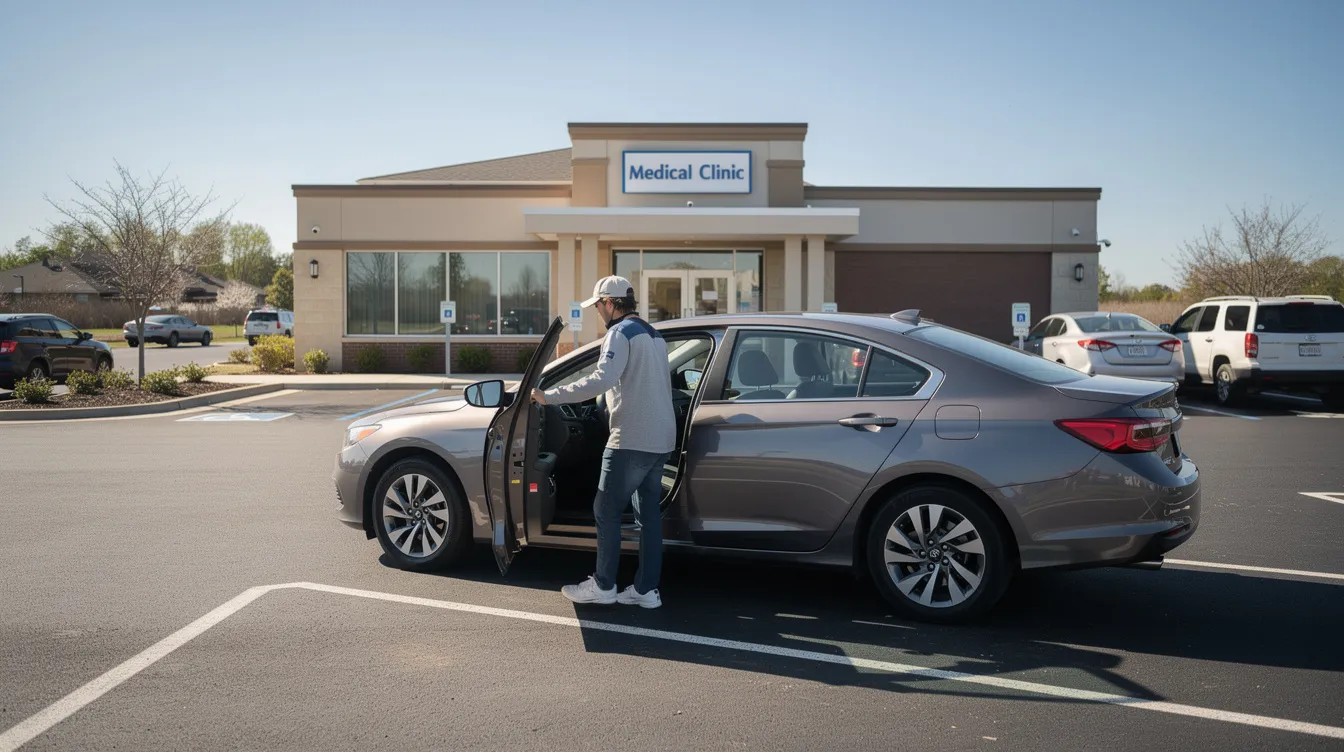
Only travel that is reasonably necessary and related to accepted work injury treatment is reimbursable under colorado workers compensation rules. Under Colorado law, employees generally have the right to select a healthcare provider from a list of designated providers given by the employer; if the employer fails to provide this list, the right to choose may revert to the employee. In non emergency situations, this authorized provider process matters.
Typical reimbursable trips include travel to and from your treating physician, physical therapy, X-rays, MRIs, CT scans, specialist consultations, surgery centers, injections, work-conditioning appointments, and follow-up visits. Workers’ compensation may cover reimbursement for mileage incurred while traveling to authorized medical appointments after a work-related injury.
Trips to pharmacies to pick up prescribed medications related to the work injury are also commonly reimbursable. Parking fees, tolls, and similar necessary charges tied to medical appointments can be claimed when properly documented with receipts.
Not every drive qualifies. Personal errands, unrelated doctor visits, commuting to your regular job, and travel for care outside the authorized chain may be denied. Disputes often arise over whether care is “authorized,” especially when provider lists are defective, a body part is disputed, or the insurance carrier claims treatment ended at maximum medical improvement. If you are unsure whether a trip qualifies, contact Johnston Law Firm at (719) 309-9484 or send us a message online .
Colorado Mileage Reimbursement Rules, Deadlines, and 2026 Rate
Here are the core rules that affect workers comp mileage reimbursement colorado claims in 2026.
|
Rule |
What it means |
|---|---|
|
2026 rate |
$0.63 per mile for authorized medical travel |
|
Submission deadline |
Travel logs must be submitted for reimbursement requests within 120 days of the travel date |
|
Insurer response |
Insurance carriers in Colorado must pay or provide written notice of denial for reimbursement requests within 30 days of receipt |
|
Long trips |
Advance travel payment may be available for certain round trips over 100 miles |
The workers’ comp mileage reimbursement rate is different from general employment or business travel reimbursement policies that may use 90–95% of an IRS rate. Workers comp follows its own DOWC process, forms, deadlines, and workers compensation rules.
Repeated late payments, reductions without explanation, or use of outdated rates may violate colorado workers compensation rules and may justify penalties or a hearing request. The Colorado Revised Statutes § 8-42-101 also addresses travel expenses that are reasonably necessary and related to compensable treatment, supplies, or services.
The DOWC Claimant Brochure, online tools, and medical care guidance can help injured workers understand the process. Still, legal advice is important when the insurance company refuses to pay money, delays payment, or sends money at the wrong rate, and those issues should be addressed in a timely manner.
How to Track Your Miles and Request Reimbursement
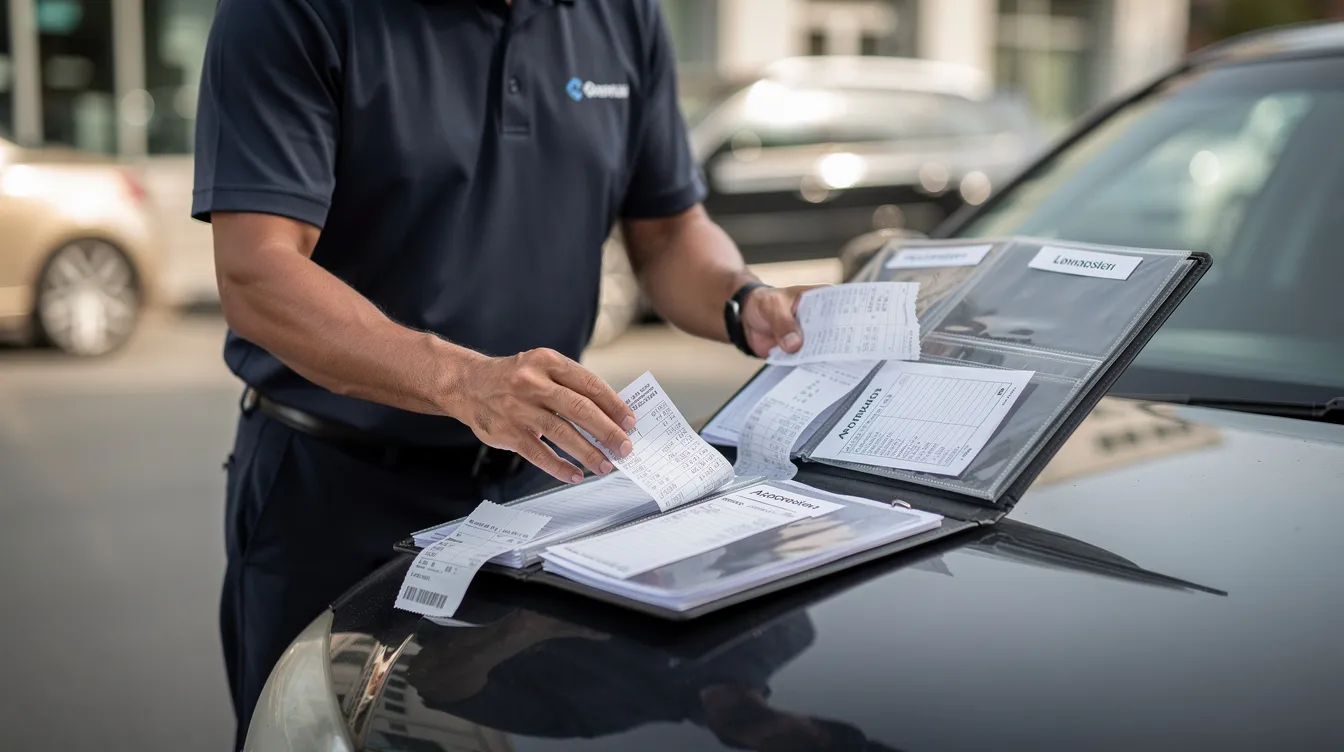
A detailed log of travel including dates, destinations, and receipts is necessary for reimbursement of travel costs. Your mileage log should include:
-
Date of appointment
-
Medical provider name and address
-
Reason for visit, such as follow-up with authorized treating physician
-
Starting address and ending address
-
Round-trip miles
-
Parking, toll, pharmacy, or supply receipts
-
Appointment summaries or proof that the visit occurred
Use a consistent method. Odometer readings, mapping apps, printed directions, or a spreadsheet can all work if the method is clear and consistent. Keep logs together with medical appointments, prescription records, and medical treatment paperwork.
Colorado employers, third party administrators, or insurers often provide a mileage reimbursement form. Using the preferred form can help avoid delays, but workers’ compensation claims in Colorado must be filed with the appropriate forms, and using outdated forms can lead to delays or rejections of claims. The Colorado Division of Workers’ Compensation requires that all submissions related to claims must use the latest forms, including Settlement Agreements and First Reports of Injury, effective from specified dates.
It is recommended that injured workers submit mileage reimbursement requests on a monthly basis to ensure timely processing and payment. Do not wait until settlement or the end of treatment. Submit claims monthly, or at least every few months, so you avoid the 120-day window and keep cash flow steady. Keep paper or digital copies of every form, log, email, fax confirmation, and document sent to the claims adjuster.
Feeling buried in forms and deadlines? Reach Johnston Law Firm through our online contact form or call (719) 309-9484 for help preparing and submitting mileage claims.
Common Mileage Reimbursement Problems and How an Attorney Helps
Insurance companies often underpay or delay mileage reimbursement, especially in complex, long-term, or disputed claims. Common problems include insurers using an outdated mileage rate, denying pharmacy trips, questioning whether a provider is authorized, refusing payment after a disputed MMI date, or claiming the request was incomplete.
Late or missing mileage checks can create real hardship for Colorado workers who must drive long distances from Pueblo, La Junta, Canon City, Trinidad, Walsenburg, or rural Southern Colorado communities. A worker in the construction industry, healthcare, transportation, agriculture, or public service may already be dealing with lost wages, work restrictions, and repeated appointments.
A workers compensation lawyer can audit prior mileage, compare checks to the $0.63 rate, identify missing trips, and demand corrections. If needed, an attorney can request a prehearing conference or formal hearing before a workers’ comp judge. Disputes about medical necessity, authorized care, impairment rating, permanent disability, or the final admission of liability often connect directly to whether more mileage is owed.
If you are tired of fighting with adjusters over travel costs, call Johnston Law Firm at (719) 309-9484 for a free review of your mileage and benefit payments.
How Mileage Fits Into Your Overall Colorado Workers’ Comp Benefits
Mileage reimbursement is one piece of a larger colorado workers compensation system. The workers compensation act provides medical care, wage replacement, temporary total disability, permanent partial disability, permanent total disability, disfigurement benefits, and other benefits when applicable.
The Division of Workers’ Compensation and colorado law require most colorado employers to carry workers compensation insurance. Under Colorado law, all employers are required to carry workers’ compensation insurance regardless of the number of employees or whether employees are part-time or full-time. This workers compensation coverage protects employees and helps employers maintain business operations after a workplace injury.
Employers must notify their employees of their rights and responsibilities under the workers’ compensation system, including the requirement to report injuries within four working days. In Colorado, an employee must notify their employer about a work-related injury in writing within four working days to avoid penalties, although failing to do so does not extinguish the employee’s right to collect benefits. Employers are also responsible for providing reasonable accommodations to injured workers, such as modified duties or temporary transfers, to support recovery and return to work.
Mileage is often overlooked in final admissions. Before a claim closes, injured workers should confirm all travel, parking, and pharmacy mileage has been paid. Once a claim is settled or a final admission becomes final without objection, it may become much harder, or impossible, to recover missed mileage payments. Before signing anything, call (719) 309-9484 or message us online .
Why Choose Johnston Law Firm, LLC for a Colorado Mileage Reimbursement Dispute?
Johnston Law Firm, LLC is based in Pueblo and represents individuals throughout Colorado, including Otero, Fremont, Custer, Huerfano, Las Animas, and Crowley Counties. Steve Johnston focuses on six core practice areas: workers compensation, personal injury, automobile accidents, estate planning, criminal law, and Social Security law.
That broader experience matters. A mileage dispute may overlap with an auto accident on the way to treatment, a Social Security disability claim, long-term medical planning, or a separate personal injury case. Steve Johnston gives clients practical guidance, not one-size-fits-all answers.
The firm stays current on Colorado Division updates, new rules, the medical fee schedule, and administrative changes. The updated Medical Fee Schedule and utilization standards under Rules 16 and 18 took effect on January 1, 2026, changing what healthcare providers can bill and what insurers must pay. Starting July 9, 2026, Colorado will transition to EDI Claims Release 3.1, which will affect how claims are processed and could lead to errors that delay benefits. House Bill 25-1300, known as “Workers’ Compensation Benefits Proof of Entitlement,” will go into effect on January 1, 2028, but preparations and stakeholder meetings are ongoing in 2026 as part of the rule-update process.
The firm can meet by phone, in person when appropriate, or through video calls. For a free consultation, call Johnston Law Firm, LLC at (719) 309-9484 or send us a message online .

Step‑by‑Step: What to Do About Mileage After a Colorado Work Injury
Use this checklist from the day of injury forward:
-
Report the injury to your employer in writing within four working days and keep a copy.
-
Ask for the employer’s designated providers list and choose an authorized treating physician.
-
Seek treatment promptly and follow medical restrictions.
-
To file a workers’ compensation claim in Colorado, an injured worker should contact their insurance carrier as soon as they are aware of the injury, ideally within 10 days of receiving the written report of the injury.
-
Start a mileage log immediately, including therapy visits, pharmacy trips, imaging, and specialist appointments.
-
Request reimbursement on the insurance carrier’s current form and attach your log and receipts.
-
Submit mileage monthly and confirm the 2026 $0.63 per-mile rate.
-
Review every check for missing miles, wrong dates, and reductions.
-
If reimbursement is denied, delayed, or paid at the wrong rate, contact Johnston Law Firm.
This same documentation can help demonstrate compliance with workers compensation rules, protect workers compensation benefits proof, and reduce disputes over timely filing. It can also matter if there are EDI mistakes, outdated forms, training opportunities for claims staff that were missed, or questions involving electronic data interchange reporting.
Frequently Asked Questions About Colorado Workers’ Comp Mileage Reimbursement
Do I still get mileage reimbursement after I reach maximum medical improvement (MMI)?
Once the authorized treating physician places an injured worker at maximum medical improvement, active treatment often decreases. Mileage for post-MMI maintenance visits may be covered if the insurer accepted responsibility for that continuing care in the final admission. Have an attorney review final admissions before assuming future mileage is gone.
Can I claim mileage if my employer doesn’t carry workers compensation insurance?
Colorado law requires almost all employers to carry workers compensation insurance, but some employers fail to comply. The Colorado Uninsured Employer Fund provides financial assistance to individuals injured while working for employers who did not carry workers’ compensation insurance, covering various types of benefits including medical and death benefits. Mileage reimbursement, medical benefits, and wage loss benefits may still be pursued, but these cases are more complex.
Is mileage reimbursement taxable income?
In typical cases, properly paid workers’ comp mileage reimbursement is treated as repayment of expenses, not taxable wages. Tax issues can be fact-specific, so ask a tax professional. Johnston Law Firm can help confirm whether payments match Colorado workers compensation rules, but the firm does not provide tax filing advice.
What if my doctor is far away from my home in Southern Colorado?
Many Pueblo and Southern Colorado injured workers must drive to specialists in Colorado Springs, Denver, or other cities. If the care is authorized and reasonably necessary, the full round-trip mileage should generally be reimbursable at the current DOWC rate. Long-distance claims should be documented carefully with addresses, maps, receipts, and appointment proof.
Can problems with Electronic Data Interchange (EDI) affect my mileage reimbursement?
Yes. EDI is mostly a behind-the-scenes reporting system between insurers and the Colorado Division, but coding errors can affect benefits, payments, and claim status. Problems with electronic data interchange may delay mileage, medical bills, wage replacement, or other benefits. Johnston Law Firm monitors these issues and can push for corrections.
Final Thoughts
Mileage reimbursement may look small compared with medical bills or average weekly wage disputes, but repeated trips add up quickly. This is especially true for injured workers in rural counties, sole proprietors who were performing work under covered arrangements, and employees whose employers or self insured employer rely on third party administrators.
Do not let an insurance company minimize your travel costs. Whether your concern involves workplace safety, a disputed medical provider, a denied work injury, permanent disability, an indigent determination issue, or confusing DOWC forms, Johnston Law Firm can help you understand your options. You can also contact the Colorado Department of Labor and Employment or DOWC through available toll free resources, but legal guidance is often critical when benefits are being delayed or denied.
For help with workers comp mileage reimbursement colorado, call Johnston Law Firm, LLC at (719) 309-9484 or message us online now for a free consultation.