Workers Comp Mediation Colorado – How Disputed Cases Get Resolved Before Hearing
If your workers comp claim is disputed, you may not have to wait months for a formal hearing. Workers comp mediation Colorado procedures can help injured workers resolve disputes over medical treatment, lost wages, disability, and settlement before a workers compensation judge decides the case.
This guide is for injured workers, employers, and anyone involved in a Colorado workers' compensation dispute who wants to understand how mediation can resolve cases before a formal hearing. Understanding mediation can help you resolve disputes faster, with less stress, and potentially better outcomes than a formal hearing.
Key Takeaways
Most disputed Colorado workers compensation claims settle through negotiation, workers compensation mediation, or a settlement conference before a formal hearing. Mediation is a voluntary process, confidential, and often handled through the Colorado Office of Administrative Courts in Denver, through the Colorado Division of Workers’ Compensation, or by private mediators.
-
Injured workers in Pueblo, Colorado Springs, and Southern Colorado can use mediation to resolve benefits, medical care, permanent impairment, and settlement disputes.
-
Mediation through the Colorado Office of Administrative Courts offers an alternative to traditional litigation for resolving workers’ compensation disputes.
-
Since 1995, the Colorado Office of Administrative Courts has successfully resolved disputes through mediation approximately 80 percent of the time, offering these sessions free of charge.
-
Having an experienced colorado workers compensation attorney like Steve Johnston at Johnston Law Firm, LLC can improve preparation, strategy, and outcome.
-
For a free consultation, call (719) 309-9484 or message us online .
How Colorado Workers Comp Cases Get Resolved Before Hearing
A workers comp case in Colorado is a claim for workers compensation benefits after a job injury, including medical expenses, lost wages, permanent impairment, vocational issues, and other monetary benefits. Many disputes never reach hearing because the parties resolve them through alternative dispute resolution, mediation, settlement offers, or a settlement conference.
Common legal issues include denial of the workers compensation claim, the authorized treating physician, average weekly wage, temporary total disability, permanent impairment ratings, and whether an employee or alleged independent contractors are covered by workers compensation laws. The Office of Administrative Courts schedules hearings, while the Colorado Division of Workers’ Compensation provides rules, resources, and settlement procedures.
Steve Johnston helps Colorado workers in Pueblo, Otero, Fremont, Custer, Huerfano, Las Animas, and Crowley Counties resolve disputes before court when possible. If your insurance company or insurance carrier denied benefits, call (719) 309-9484 now to request help before your claim reaches a judge.
What Is Workers’ Compensation Mediation in Colorado?
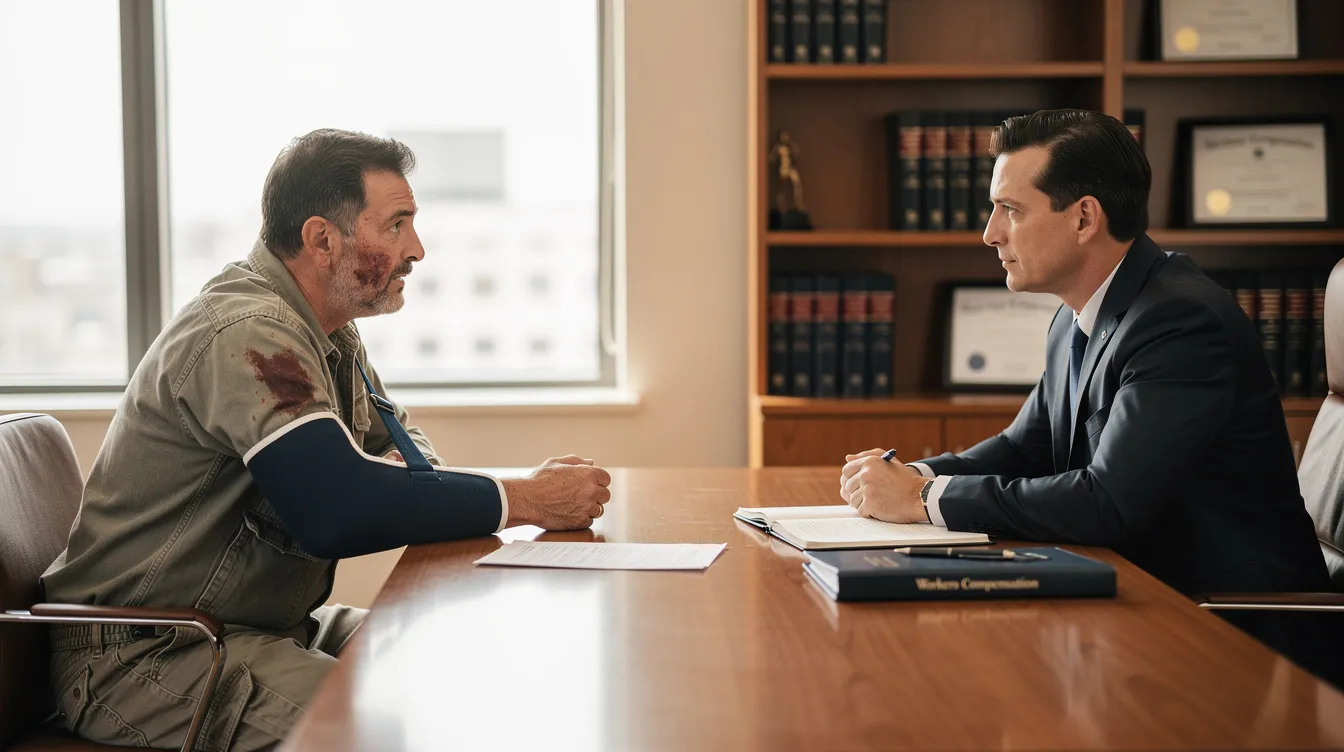
Workers’ compensation mediation is a structured sit-down negotiation where a neutral mediator helps the injured worker and insurance company try to settle. In Colorado, workers’ compensation mediation is a voluntary process where parties can resolve legal issues in a confidential and collaborative forum, often referred to as a settlement conference.
Mediation in workers’ compensation cases typically involves a neutral mediator who facilitates communication between the parties, helping them explore potential solutions without imposing decisions. Participants usually include the injured worker, their attorney, the employer or adjuster with settlement authority, and defense counsel. Participants in a mediation session should have settlement authority, meaning they can make decisions and approve any agreements reached during the session to avoid roadblocks.
All discussions during mediation remain entirely private, ensuring confidentiality that protects sensitive information from later use in formal hearings. Under Colorado law, mediation discussions are confidential and non-binding. See C.R.S. § 8-43-205 on workers’ compensation mediation .
The Colorado Workers Comp Mediation Process Step by Step
Both parties in a mediation session gather and share essential evidence, such as medical records and wage history, before negotiations occur. It is important to know your case thoroughly before mediation, including the strengths and weaknesses of both your case and the opposing side’s case, as this knowledge can significantly impact the outcome.
Typical mediation sessions include:
-
Pre-mediation review of medical records, wage documents, prior filings, settlement offers, and legal arguments.
-
A joint session where all parties present their respective positions.
-
Private caucuses in different rooms, where the mediator carries offers, counteroffers, and risk analysis.
-
Discussion of medical evidence, impairment ratings, unpaid wages, future medical care, and compensation value.
-
A written agreement if the parties settle.
If an agreement is reached during mediation, it must be submitted for final legal approval to the appropriate authority in Colorado. If mediation does not result in an agreement, the case proceeds to a formal hearing without penalty, as the process is confidential and non-binding.
What Issues Can Be Resolved at Mediation?
Mediation can address almost every disputed part of a Colorado workers compensation case, including:
-
Lump-sum settlement value and financial compensation
-
Past-due disability benefits and wage loss
-
Medical treatment, medical care, and future medical expenses
-
Average weekly wage, overtime, second jobs, and wages
-
Maximum medical improvement, impairment rating, and independent medical exam disputes
-
Job restrictions, retraining, employment changes, and vocational benefits
-
Whether a worker was misclassified as an independent contractor
Mediation allows for highly creative, custom-tailored solutions compared to the strict adherence to workers’ compensation statutes in formal hearings. That flexibility can save time, reduce risk, and help workers access money and treatment sooner.
How Johnston Law Firm Prepares Injured Workers for Mediation
At Johnston Law Firm, LLC, we prepare every workers compensation mediation with hands-on detail. We review the file, gather evidence, organize medical records, study wage history, and identify follow ups needed before mediation.
Steve Johnston calculates unpaid benefits, including temporary disability, medical bills, mileage, penalties where appropriate, and possible future care. An attorney can help injured workers prepare for mediation by gathering necessary evidence, calculating unpaid benefits, and developing negotiation strategies to maximize the settlement amount.
We also prepare a confidential mediation statement explaining the evidence, legal arguments, risks, and settlement range. Having an attorney present during mediation is crucial for injured workers, as they can advocate for the worker’s interests and ensure that their rights are protected, especially since the employer is typically represented by an experienced attorney.
Need help with an upcoming mediation? Call (719) 309-9484 or message Johnston Law Firm securely online .
Practical Mediation Tips for Colorado Injured Workers
Mediation emphasizes a less adversarial and more collaborative environment than formal courtroom settings, reducing stress and emotional strain. Still, preparation matters.
-
Arrive early or log in early for video mediation.
-
Bring requested documents and plan for several hours.
-
Dress neatly but comfortably.
-
Keep communication calm, even if the insurance company delayed or denied your claim.
-
Ask your lawyer questions during breaks.
-
Let your attorney and mediator handle offers instead of negotiating directly.
Mediation is not just “splitting the difference.” It is a risk-based process that considers future medical care, hearing outcomes, and whether settlement is better than presenting evidence to a workers compensation judge.

What Happens If Workers Comp Mediation Fails?
Not every mediation results in settlement. If mediation fails, the case continues toward a formal hearing before an Administrative Law Judge at the Colorado Office of Administrative Courts.
A hearing is like a small trial. Witnesses testify, medical experts may be questioned, and documents become exhibits. The judge issues a written order deciding compensability, benefits, medical treatment, and other disputed issues. Either side may appeal to the Industrial Claim Appeals Office and sometimes the Colorado Court of Appeals.
Mediation is often the last opportunity to settle a workers’ compensation dispute out of court, providing more flexibility and control over the outcome compared to a trial. But settlement talks can continue before or after hearing. If negotiations broke down, call (719) 309-9484 for hearing preparation.
When and Why Workers’ Comp Insurers Offer Settlement in Colorado
Settlement timing varies. Many offers come after maximum medical improvement, when both sides understand permanent restrictions, future medical needs, medical expenses paid, wage exposure, and hearing risk.
Serious back, neck, shoulder, and traumatic brain injuries often create complex cases because future medical care and disability can be expensive. Once a full and final settlement is approved, injured workers usually give up future workers compensation benefits for that injury in exchange for money.
The presence of an attorney during mediation can increase the likelihood of reaching a fair settlement, as they can provide legal insights and help navigate the complexities of the workers’ compensation system.
Why Choose Johnston Law Firm, LLC for Workers Comp Mediation in Colorado?
Johnston Law Firm is a Pueblo law firm representing injured workers throughout Colorado. Attorney Steve Johnston’s practice includes workers’ compensation, personal injury , automobile accidents , estate planning , criminal law , and social security law .
Our workers compensation attorneys understand local courts, the OAC, defense tactics, rural access issues, and the pressure injured workers face. We focus on regular communication, practical advice, and efficient resolution. Johnston Law Firm’s proven track record and client-focused approach help workers evaluate settlement without being pressured into unfair terms.
For workers comp mediation Colorado help, call (719) 309-9484 or contact us online .
Related Practice Areas That May Overlap With Your Workers Comp Case
Some work injuries involve more than workers compensation. A crash while driving for work may create both a workers compensation claim and a third-party personal injury or automobile accident claim. Severe injuries may also lead to Social Security Disability. Fraud accusations or workplace incidents can raise criminal law concerns. Catastrophic injuries may require estate planning for family protection and medical financial planning.

Call Johnston Law Firm Today for Help With Workers Comp Mediation in Colorado
Mediation can be scheduled quickly, expediting access to necessary medical benefits or wage replacement compared to court dockets that may delay hearings for months. Mediation typically concludes in a matter of weeks, allowing injured workers to access compensation and medical care sooner than traditional hearings. Mediation can save time and costs associated with formal hearings, as it allows parties to negotiate settlements in a less formal environment, often leading to quicker resolutions.
Do not go alone when the insurance company has adjusters and lawyers. For a free consultation, call (719) 309-9484 now or send a confidential message through our online contact form . We help injured Colorado workers protect rights, evaluate benefits, and pursue fair settlement.
Frequently Asked Questions About Workers Comp Mediation in Colorado
Is workers’ comp mediation required in Colorado, or can I refuse to participate?
Most mediation is voluntary. You can usually refuse, but mediation may offer a faster, lower-risk chance to resolve the dispute. Talk with a Colorado workers compensation attorney before deciding.
How long does a typical workers’ compensation mediation last in Colorado?
Many mediations last two to four hours. Complex cases with serious injuries, multiple benefits, or wide settlement gaps can take most of a day.
Do I have to accept a settlement offer made at mediation?
No. Mediation is non-binding. You decide, with your lawyer’s advice, whether the offer fairly covers medical expenses, lost wages, impairment, and future risk.
Will my workers comp benefits stop if I try mediation?
Simply attending mediation does not automatically stop benefits. Benefits usually change only through an approved agreement, a judge’s order, or a change in medical/work status.
Can independent contractors use workers’ comp mediation in Colorado?
True independent contractors are generally not covered by workers compensation. However, misclassified workers may qualify as employees. Call (719) 309-9484 or message us online for a review.