Navigating Workers Comp Lost Wage Dispute Colorado: Key Steps to Take
Introduction
If you are an injured worker in Colorado and your workers’ compensation disability checks are lower than expected—or have stopped altogether—this page is for you. Here, you’ll find a comprehensive guide to understanding, disputing, and resolving lost wage issues in Colorado workers’ compensation claims. We cover why wage disputes happen, how to identify underpayments, what steps to take immediately, and how to formally challenge insurance company decisions. Whether you’re in Pueblo, Colorado Springs, or anywhere in Southern Colorado, this resource is designed to help you protect your rights, recover the benefits you deserve, and avoid costly mistakes that can impact your financial future.
Key Takeaways
-
Colorado wage replacement benefits are typically two-thirds of your correctly calculated average weekly wage, subject to yearly caps and rules.
-
Common disputes involve wrong AWW, unpaid TTD or TPD, early maximum medical improvement, low impairment rating, or improper permanent disability calculations.
-
Strict deadlines apply: written objections, Applications for Hearing, DIME deadlines, and appeals can move quickly.
-
Johnston Law Firm, LLC in Pueblo represents injured workers statewide, including Colorado Springs, Otero, Fremont, Custer, Huerfano, Las Animas, and Crowley Counties.
-
For a free consultation, call (719) 309-9484 or message us online .
What To Do Immediately If Your Colorado Workers Comp Disability Check Is Too Low or Stopped
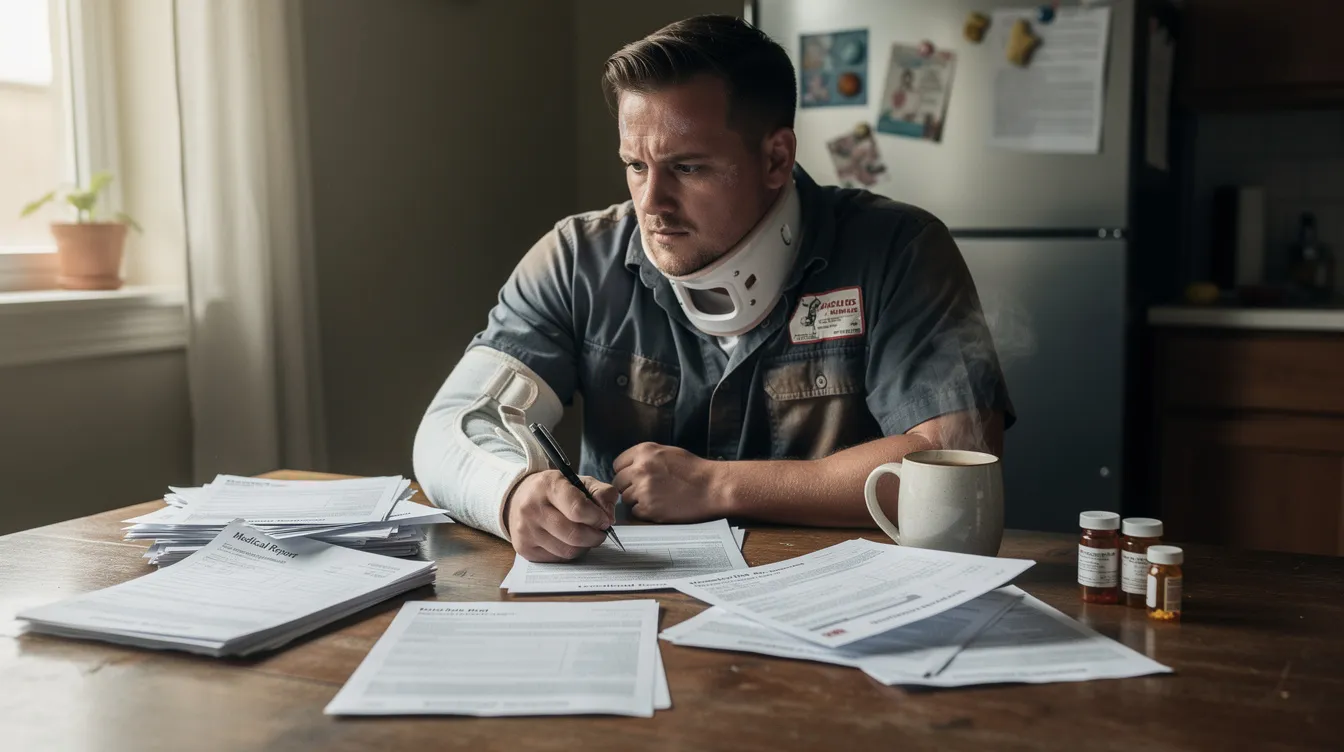
A Pueblo warehouse worker gets hurt, misses work, and expects a temporary total disability check. Instead, the check is hundreds of dollars short. A Colorado Springs retail worker returns to reduced hours after a job injury, but no TPD arrives. These are common Colorado workers compensation problems.
Act quickly:
-
Keep the check stub and envelope.
-
Gather 3–6 months of pay stubs, W-2s, tax returns, tip records, and proof of second jobs.
-
Review any Notice of Change of Benefits, Notice of Contest, General Admission of Liability, or Final Admission of Liability.
-
Save medical records, work restrictions, and written job offers.
-
File a Worker’s Claim for Compensation Form to protect rights if lost wages are unpaid or contested.
Under Colorado workers compensation rules, if an insurance carrier denies or underpays a wage claim, the claimant can immediately initiate a dispute. Do not return to full-duty work against restrictions just because checks are low. That can worsen your work injury and damage your workers compensation claim. Call (719) 309-9484 or contact Johnston Law Firm online right away.
Understanding Colorado Workers Compensation Lost Wage Benefits
Eligibility for Wage Benefits
Workers’ compensation benefits in Colorado cover medical expenses, lost wages, total and partial disability, and death benefits for employees injured on the job. Benefits may also include medical bills, medical benefits, funeral expenses, and monetary benefits for dependents. Employees who suffer from occupational diseases, such as carpal tunnel syndrome or mesothelioma, may also be eligible for workers’ compensation benefits in Colorado.
Colorado law requires that injuries arise out of and in the course of employment to be compensable, meaning the injury must be directly linked to work activities. In Colorado, workers’ compensation benefits are usually the sole remedy for injured workers, meaning they generally cannot sue their employer for work-related injuries.
How Wage Benefits Are Calculated
Wage benefits usually begin after a waiting period of three missed shifts or three days. If disability lasts more than two weeks, that waiting period may become payable retroactively. Most temporary disability benefits equal two-thirds of the injured worker’s average weekly wage, up to state maximums that change each year.
Types of Disability Benefits
-
Temporary Total Disability (TTD): Paid when the authorized treating physician takes you completely off work or the employer cannot provide work within restrictions.
-
Temporary Partial Disability (TPD): Paid when you return to modified work but earn less due to reduced hours, lighter job duties, or medical appointments.
-
Permanent Partial Disability (PPD): Paid after you reached maximum medical improvement and receive an impairment rating.
-
Permanent Total Disability (PTD): Available in severe cases where permanent restrictions prevent regular earning capacity.
Johnston Law Firm reviews wage documentation for injured workers in Pueblo, Pueblo West, Colorado Springs, and Southern Colorado.
Temporary Total Disability (TTD) Checks in Colorado
Temporary total disability is calculated at two-thirds of the correct average weekly wage and is usually paid every two weeks. Disputes happen when the insurance carrier ignores overtime, second jobs, bonuses, health insurance loss, or claims that “modified work” exists.
Example: a Pueblo warehouse worker’s TTD is cut after a supposed desk job is offered, but the job still requires lifting beyond written restrictions. That dispute may require an Application for Hearing before an administrative law judge.
Temporary Partial Disability (TPD) When You Return to Modified Work
TPD should generally pay two-thirds of the difference between pre-injury wages and post-injury earnings. If a Colorado Springs retail worker’s hours are cut because of medical care and restrictions, TPD may be owed.
Common TPD underpayments include wrong post-injury earnings, unpaid time for authorized medical treatment, and forced schedule cuts. With proper medical documentation and payroll proof, underpaid TPD can often be corrected retroactively.
Permanent Disability and Lost Wage Disputes After Maximum Medical Improvement (MMI)
When the authorized treating physician places a worker at maximum medical improvement, TTD or TPD usually ends. Then permanent disability benefits may begin. Disputes arise when insurers use low impairment ratings, argue the worker can earn wages despite permanent restrictions, or ignore ongoing medical treatment.
A Division Independent Medical Examination can challenge MMI or impairment. A Huerfano County worker, for example, may use a DIME to overturn early MMI and restore temporary disability if medical evidence supports continued treatment. DIME procedures are governed by Colorado Rule 11, available through the Colorado Division of Workers’ Compensation .
Average Weekly Wage (AWW): The Starting Point for Lost Wage Disputes
Most Colorado workers comp lost wage disputes begin with a wrong average weekly wage. In Colorado, average weekly wages are often calculated by examining a lookback period of about three to four months before the accident, adding total earnings, and dividing by the number of weeks. If a worker earned $17,500 in the three months prior to an accident, their average weekly wage would be $1,458, reduced to two-thirds for compensation purposes, resulting in a $972 weekly benefit.
Insurance companies in Colorado are typically responsible for calculating average weekly wages for workers’ compensation claims, but they may only consider one source of income unless all sources are accounted for. Claimants must provide written objections to the average weekly wage calculation within 30 days of a General or Final Admission of Liability.
If your AWW looks wrong, call (719) 309-9484 or send us a message online for a free AWW review.
Common AWW Calculation Errors That Reduce Lost Wages
Frequent errors include:
-
Using too short a lookback period.
-
Excluding overtime, bonuses, commissions, tips, or shift differentials.
-
Failing to count concurrent employment.
-
Ignoring lost employer-paid health insurance.
-
Failing to update AWW after a raise or promotion.
-
Including seasonal layoff weeks that artificially reduce wages.
For a Pueblo construction worker, counting off-season weeks may lower the weekly benefit dramatically. For workers with multiple jobs, Colorado workers compensation may allow income from other employers if properly documented.
Fringe Benefits, Tips, and Concurrent Employment
Fringe benefits may matter when lost because of a workplace injury, including employer-paid health insurance, housing, or certain stipends. Tipped hospitality workers often face AWW disputes because declared tips do not always show actual earnings. Bring documentation from every job, not just where the injury occurred.
Why Workers Comp Insurers Underpay Lost Wages in Colorado
Common Insurer Tactics
An insurance company has financial incentives to limit claim costs. Under Colorado workers compensation rules, insurers often influence the initial authorized treating physician network, and wage decisions may turn on medical restrictions.
Common tactics include narrow readings of restrictions, early release to work, assuming full earning capacity, blaming pre-existing conditions, or alleging a safety rule violation. Many injured workers also face disputes over whether the on-the-job injury is work-related, especially where weak or delayed medical evidence links the injury to job duties.
Workers compensation laws are complex, and individuals may benefit from consulting with an attorney. Steve Johnston is an experienced workers compensation attorney and experienced workers compensation lawyer who handles workers compensation cases involving wage replacement, medical care, and appeals.
Disputes Over Work Restrictions
Lost wage benefits often turn on whether the employer truly offers work within written medical restrictions. In Pueblo or Otero County, an employer may create a “paper” light-duty job that still violates restrictions, then the insurer cuts TTD for alleged refusal.
Get the job offer and restrictions in writing. Preserve witness statements, attendance records, and witness testimony about what the job actually required. An experienced attorney can seek doctor clarification, challenge the offer, and present evidence at hearing.
MMI, IME/DIME, and Early Termination of Wage Benefits
An insurance IME is usually arranged by the insurance company. A DIME is a Division process that can carry strong legal weight on MMI and impairment. Workers who suddenly lose checks after an IME or MMI finding should act promptly, especially if they still need ongoing medical treatment.
How to Formally Dispute Lost Wage Underpayments in Colorado Workers Comp
In Colorado, the process for resolving a lost wage dispute within the workers’ compensation system involves a structured process. Informal adjuster calls are often not enough. The process is triggered when an insurance carrier files a formal document regarding benefits, such as a Notice of Contest, General Admission, Final Admission, or Notice of Change.
Colorado encourages parties to find a collaborative resolution out of court before escalating to a legal trial. Disputes can be resolved through voluntary mediation processes offered by the Colorado Division of Workers’ Compensation, and settlement conferences can be requested to facilitate negotiations regarding unpaid benefits.
If negotiations fail, claimants must submit a formal Application for Hearing to the Office of Administrative Courts. Once an Application is filed, a Notice to Set is issued, allowing 10 days for both parties to agree on a schedule. Both parties must compile evidence before a hearing to support their case for wage loss claims. If disputes remain unresolved after mediation, a formal hearing is conducted to review medical and wage evidence.
Need help now? Call (719) 309-9484 or message us online .
Mediation and Settlement
Mediation can resolve back TTD, TPD, underpaid permanent disability, penalties, and future exposure without a full hearing. Do not sign a settlement that closes wage benefits or medical treatment without legal review. A settlement may affect future medical benefits, permanent disability benefits, and other income sources.
Written Objections and Applications for Hearing
Hearings are held before administrative law judges in the Colorado Office of Administrative Courts, which conduct hearings for workers compensation disputes. The formal hearing resembles a mini-trial, with evidence presented, legal arguments, a court reporter, and a binding written order issued within 15 business days of its conclusion.
Evidence may include payroll records, tax returns, medical records, medical documentation, job descriptions, written restrictions, and testimony about actual wages. The Office of Administrative Courts explains the hearing process.
The Hearing Process
Both parties must compile evidence before a hearing to support their case for wage loss claims. If disputes remain unresolved after mediation, a formal hearing is conducted to review medical and wage evidence. The administrative law judge will issue a binding written order within 15 business days of the hearing’s conclusion.
How Johnston Law Firm, LLC Helps With Colorado Workers Comp Lost Wage Disputes
Johnston Law Firm, LLC is based in Pueblo and represents injured workers throughout Colorado, including Otero, Fremont, Custer, Huerfano, Las Animas, Crowley Counties, and Colorado Springs. Steve Johnston’s six key practice groups are workers’ compensation, personal injury, automobile accidents, estate planning, criminal law, and social security law.
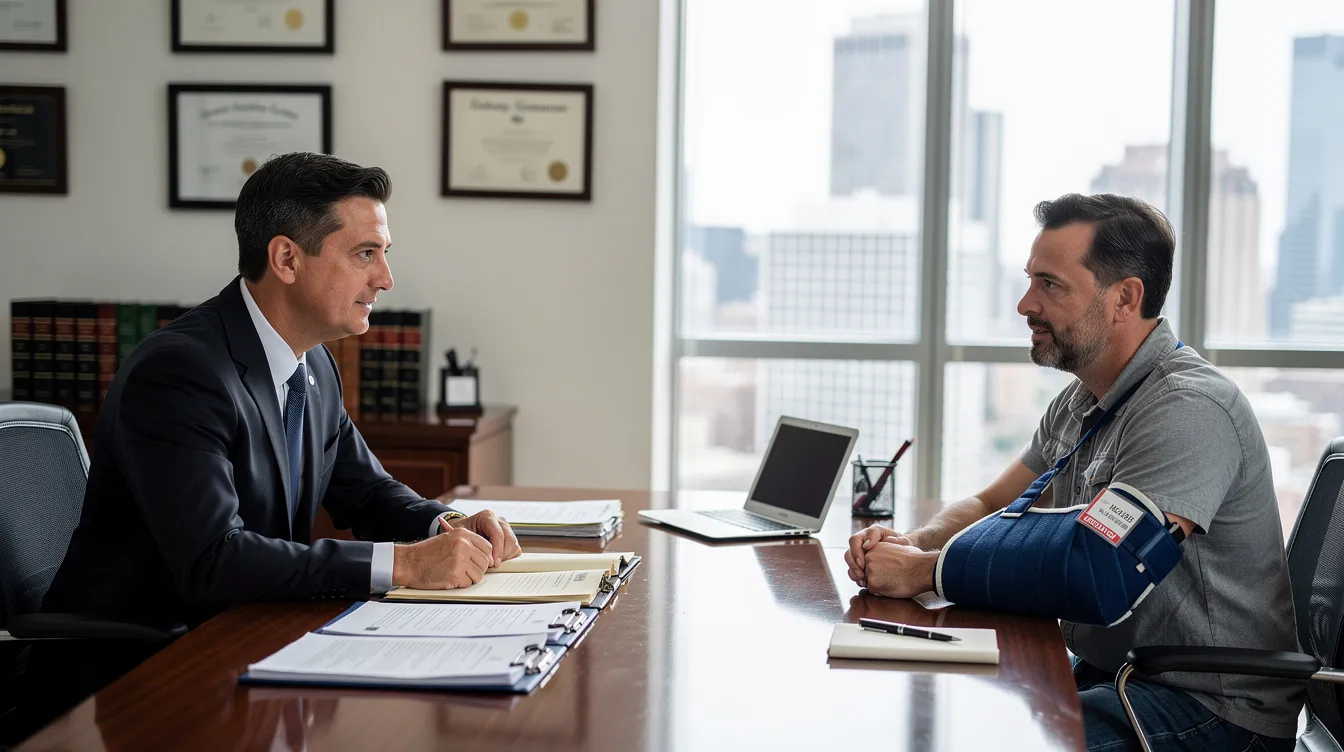
As a Colorado workers compensation attorney, Steve Johnston helps clients understand workers compensation laws, deadlines, evidence, and strategy. The firm offers a free consultation and client-centered service with direct attorney access and regular updates. Call (719) 309-9484 or reach out online .
Specific Ways We Challenge Underpaid Wage Benefits
We help by:
-
Recalculating AWW using payroll records, tax returns, and multiple employment data.
-
Challenging improper TTD or TPD reductions.
-
Preparing Applications for Hearing.
-
Cross-examining insurance doctors and vocational experts.
-
Handling disputes over MMI, impairment rating, permanent total disability, and industrial claim issues.
These problems commonly affect industrial, construction, healthcare, agricultural, and service workers in Pueblo and Southern Colorado.
Coordinating Workers Comp With Other Claims and Benefits
Serious injuries can involve third-party personal injury claims, automobile accident claims, Social Security Disability, or estate planning needs. Criminal law experience may matter if insurers allege fraud or misconduct affecting wage benefits. Bring every letter, form, and benefits notice to your first meeting.
When to Call a Colorado Workers Compensation Attorney About Lost Wage Disputes
Small underpayments can become thousands of dollars over months. Call a workers compensation attorney if you have serious injuries, multiple jobs, a complex AWW, sudden TTD or TPD cutoff, early MMI, a lump-sum offer, or an initial denial.
In Colorado, employees must report a work injury in writing within 10 days to their employer, as per the law. In Colorado, you must report a work injury in writing to your employer within 10 days, as mandated by House Bill 22-1112, which extended the previous deadline from four days. If you fail to report your injury to your employer in writing within four working days, you may be penalized and lose up to one day’s compensation for each day’s delay. If an employee does not file a claim in a timely manner, they may still file a report at any time, but delays can lead to penalties, including loss of compensation for each day’s delay. For occupational diseases, you must provide written notice of the condition within 30 days after the first distinct manifestation of the disease, which is different from the reporting requirement for sudden injuries.
Call (719) 309-9484 or send a secure online message for a free case review.
Documents to Gather Before Your Consultation
Bring:
-
Pay stubs, W-2s, tax returns, bank statements, and second-job proof.
-
ATP restrictions, MMI reports, IME and DIME reports.
-
Notice of Contest, Notice of Change, admissions, check stubs, and letters.
-
Job descriptions, light-duty offers, attendance records, and proof of missed medical appointments.
-
Medical records showing how and when the injury occurred.
Workers’ compensation claims in Colorado require medical documentation linking the injury to job duties, and weak or delayed medical evidence can lead to claim denials.
FAQ: Colorado Workers Comp Lost Wage Disputes
How long does it take to fix an underpaid workers comp disability check in Colorado?
Simple AWW errors may be corrected within weeks if documentation is strong. If a hearing is needed, the timeline may take several months. Acting quickly improves the chance of collecting back wage replacement benefits.
Can I get back pay if my Colorado workers comp lost wage benefits were too low?
Yes, many underpaid claims can result in back pay when the correct AWW, TTD, TPD, or permanent rate is proven. Interest or penalties may apply in some cases where benefits were wrongly withheld or delayed.
What if my employer says they have light-duty work but it hurts too much?
Do not simply quit or stop showing up. Tell the authorized treating physician, request written clarification, and document the mismatch. Refusing suitable modified work without medical support can jeopardize benefits.
What if my workers comp claim is denied?
A Notice of Contest must be filed by the insurer when denying a workers’ compensation claim, and it explains the reasons for denial. Common reasons for denial of workers’ compensation claims in Colorado include late reporting of the injury, disputes over whether the injury was work-related, and insufficient medical evidence linking the injury to work activities. In Colorado, if your workers’ compensation claim is denied, you typically have only 20 days from the mailing date of the denial to file an appeal.
Can I appeal an unfavorable wage decision?
Yes. If either side believes the Administrative Law Judge misapplied the law, they can contest the ruling. A formal Petition to Review must be filed within 20 days of the judge’s order being mailed to contest an ALJ’s decision. Workers compensation appeals may proceed through industrial claim appeals, the industrial claim appeals office, the industrial claim appeals panel, and potentially the Colorado Court of Appeals. The appealing party may need a review form, response brief, and focused legal arguments to challenge the final order or administrative law judge’s decision in Colorado court.
If your disability checks are too low, stopped, or tied up in an unfair workers comp claim, Johnston Law Firm, LLC can help. Call (719) 309-9484 or message us online for a free consultation.