Workers Comp Hand Injury Colorado – Crush Injuries, Nerve Damage, and Lost Function Claims
Introduction
This page provides a comprehensive guide to workers compensation hand injury claims in Colorado. It is designed for injured workers and their families who are navigating the aftermath of a workplace hand or wrist injury. Understanding the workers compensation process is crucial to securing the benefits you deserve and protecting your legal rights after a job-related hand injury.
Key Takeaways
-
Colorado workers with hand injuries, including fractures, crush injuries, nerve damage, carpal tunnel syndrome, tendon damage, burns, and amputations, may receive medical care, lost wages, and workers compensation benefits if the injury is job-related.
-
Colorado’s workers compensation system is generally no-fault: you do not have to prove employer negligence, only that the hand injury arose out of and in the course of employment.
-
Serious hand injuries can lead to temporary partial disability, permanent partial disability, or permanent total disability, often calculated under Colorado’s Scheduled Injury rules for fingers, thumbs, and hands.
-
The insurance company may undervalue grip loss, dexterity problems, numbness, and chronic pain; an experienced workers compensation attorney can challenge low ratings and unfair workers compensation settlements.
-
For a free consultation about a workers comp hand injury Colorado claim, call Johnston Law Firm, LLC in Pueblo at (719) 309-9484 or message us online .
Overview: Colorado Workers Comp Hand Injury Claims
Hand and wrist injuries are common in Colorado construction, agriculture, warehousing, manufacturing, healthcare, and food service jobs because hands are involved in nearly every task. Colorado workers compensation benefits can cover medical treatment, wage replacement, disability benefits, disfigurement, and medical expenses for a work related injury involving crush damage, lacerations, fractures, nerve damage, or repetitive motions.
Johnston Law Firm, LLC is based in Pueblo, Colorado and represents injured workers throughout Colorado, including Pueblo, Pueblo West, Otero, Fremont, Custer, Huerfano, Las Animas, and Crowley Counties. This page explains workers comp claim issues involving maximum medical improvement, impairment ratings, medical benefits, workers comp benefits, and Scheduled Injury calculations under Colorado law . Before discussing settlement with an adjuster, call (719) 309-9484 or contact Johnston Law Firm online .

Common Work-Related Hand and Wrist Injuries in Colorado
Hands are exposed to tools, machines, sharp edges, chemicals, vibration, and repetitive work. Common workplace injuries include:
-
Sprains and strains: Among the most common workplace injuries in Colorado, often occurring when workers lift, push, pull, or carry heavy items.
-
Cuts, tears, and lacerations: Frequently occur in construction, food service, and warehouse jobs and may require stitches or surgery.
-
Fractures and broken bones: Result from falls, equipment accidents, or workplace violence.
-
Cumulative trauma injuries (e.g., carpal tunnel syndrome): Develop gradually from repetitive motions and can qualify for workers compensation even if not tied to a single accident.
-
Crush injuries: From presses or warehouse equipment.
-
Tendon damage: From saws or knives.
-
Nerve injuries: Such as ulnar nerve damage.
-
Partial amputations and full finger loss
-
Burns, chemical exposure, and cold injuries
-
Repetitive hand-use conditions: Such as tendonitis and carpal tunnel syndrome, which may qualify as occupational diseases when job duties significantly cause or worsen the condition.
Back injuries and traumatic brain injuries are also leading causes of long-term workers compensation claims in Colorado, and combined injuries can affect the overall value of a claim.
How Hand Injuries Affect Work, Daily Life, and Future Earnings
A hand injury can stop a construction worker from using tools, a nurse from safely lifting patients, a warehouse employee from meeting quotas, or an office worker from typing. Injured workers may struggle with lifting, carrying, gripping, pinching, typing, driving, cooking, dressing, cleaning, and caring for family. Numbness, weakness, and pain can disrupt sleep and make a return to the prior job impossible.
Impact on Employment and Daily Activities
For example, a Pueblo warehouse employee who crushes a dominant hand in machinery may return to light duty but lose overtime, speed, and tool control. That loss of function can affect pre injury wages, previous wages, future earning capacity, and whether the worker can return to gainful employment. Significant dominant-hand impairment may support higher permanent disability benefits, and severe hand loss combined with other injuries may support permanent total disability.
Workers Compensation Benefits for Hand Injuries in Colorado
Colorado workers compensation is designed to provide financial assistance without proving employer fault, but workers compensation claims are still disputed. Colorado workers compensation benefits include medical benefits, temporary disability benefits, permanent partial disability benefits, and permanent total disability benefits. Death benefits are provided to dependents of a deceased worker who dies from a work-related injury or illness, including bi-weekly payments and some funeral expenses.
Medical Benefits for Hand Injuries
Medical benefits under colorado workers compensation cover all reasonable and necessary medical treatment, including doctor visits, surgery, physical therapy, prescriptions, splints, braces, and referrals, if care is provided by the authorized treating physician or approved through the workers compensation insurance process. Workers compensation in Colorado covers 100% of reasonable and necessary medical care related to the hand injury, provided it is rendered by an Authorized Treating Physician assigned by the employer or insurance carrier. The Colorado Division of Workers’ Compensation covers hand injuries through comprehensive medical care, temporary disability for lost wage benefits, permanent disability for lasting functional loss, and vocational rehabilitation.
Disability Benefits Overview
In Colorado, extremities like fingers and hands fall under the Scheduled Injury system, which assigns a specific compensation duration based on the injured body part’s loss. Compensation for hand injuries in Colorado is calculated based on a specific number of weeks allocated to the injured part of the hand, with a total loss of the hand at the wrist equating to 104 weeks of compensation.
Scheduled Injury System for Hands and Fingers
The Scheduled Injury system provides a framework for determining compensation based on the specific body part injured. For hand injuries, the number of weeks of compensation is determined by the extent of loss or impairment to the hand or fingers, as outlined in Colorado law.
Temporary Disability Benefits: When Your Hand Injury Keeps You Off Work
Most employees injured by serious hand trauma receive temporary disability benefits before they have reached maximum medical improvement. Under Colorado law, if a doctor places work restrictions on an employee due to a hand injury and the employee misses more than three scheduled shifts, they are entitled to wage replacement; temporary benefits generally begin after the waiting period, and the first missed shifts may be reimbursed if the disability lasts long enough.
Temporary Total Disability (TTD) for Hand Injuries
Temporary total disability pays up to two thirds of the injured worker’s average weekly wage when the authorized treating physician takes the worker completely off work or gives restrictions the employer cannot accommodate. Temporary Total Disability (TTD) benefits are paid at two-thirds of the injured worker’s average weekly wage and are provided when the worker is completely unable to work due to their injury. Temporary Total Disability (TTD) benefits are paid at two-thirds of the injured worker’s average weekly wage until they reach Maximum Medical Improvement (MMI) or return to work.
The maximum benefit rate for Temporary Total Disability in Colorado is updated annually; for the period from July 1, 2025, to June 30, 2026, it is set at $1,396.85 per week. The maximum temporary disability benefit rate in Colorado is updated annually; for the July 1, 2025 – June 30, 2026 period, it is set at $1,396.85 per week. If an insurer stops temporary total disability, a workers compensation attorney can request a hearing before administrative courts or an Administrative Law Judge.
Temporary Partial Disability (TPD) and Reduced Hand Function
Temporary partial disability applies when an injured worker returns to work but earns less than the employee’s average weekly wage because of restrictions. Temporary Partial Disability (TPD) is paid if an employee can work in a light-duty capacity but earns less than their pre-injury wage due to a hand injury. Temporary partial disability benefits are generally calculated as two-thirds of the difference between pre injury wages and current reduced earnings.
Keep pay stubs, schedules, medical records, and written restrictions. If the adjuster refuses to pay proper partial disability benefits, call Johnston Law Firm at (719) 309-9484 or message us online .
Maximum Medical Improvement, Impairment Ratings, and Permanent Disability for Hand Injuries
Maximum medical improvement means the authorized treating physician believes further treatment is not likely to substantially improve the condition. MMI does not mean the hand is normal; it means remaining stiffness, weakness, sensory loss, and pain may be permanent.
Impairment Ratings and Permanent Partial Disability (PPD)
Once a worker reaches Maximum Medical Improvement (MMI) for a hand injury, a physician will assign a permanent impairment rating to determine eligibility for Permanent Partial Disability financial benefits. Permanent Partial Disability (PPD) benefits are awarded to employees who have a permanent impairment but can still work in some capacity, calculated based on the impairment rating assigned by a doctor. Permanent partial disability benefits in Colorado are calculated using the impairment rating assigned by a doctor, which is then multiplied by the number of weeks of compensation to determine the settlement amount.
In Colorado, workers’ compensation settlements are calculated based on the employee’s average weekly wage, the impairment rating, and statutory caps, rather than negotiating from scratch like in personal injury lawsuits. Settlement amounts for workers’ compensation claims in Colorado typically range from $20,000 to $60,000, with severe cases potentially exceeding $600,000, depending on the injury and other factors. In Colorado, settlements can be structured as lump sum payments or structured payments over time, depending on the agreement between the injured worker and the insurance company.
A worker’s impairment rating may be too low if the doctor ignores grip weakness, nerve damage, thumb opposition, chronic pain, or fine-motor loss. A Division Independent Medical Examination may be available. Johnston Law Firm can review MMI findings, wage calculations, and whether the injury should be scheduled or part of a broader permanent disability case.
Permanent Total Disability (PTD) After Severe Hand Injuries
Permanent total disability means the worker cannot earn wages in any gainful employment in Colorado, not merely that the worker cannot return to the previous job. Permanent Total Disability (PTD) benefits are provided to workers who are unable to earn any wages for the rest of their lives due to a work-related injury, and these benefits are paid at the same rate as TTD. Permanent total disability benefits can be one of the most contested forms of colorado disability benefits.
Bilateral hand injuries, loss of a dominant hand, severe nerve damage, or hand trauma combined with orthopedic or neurologic conditions may support PTD. If you are being pressured into a low settlement after a catastrophic injury, call (719) 309-9484 or message Johnston Law Firm online .
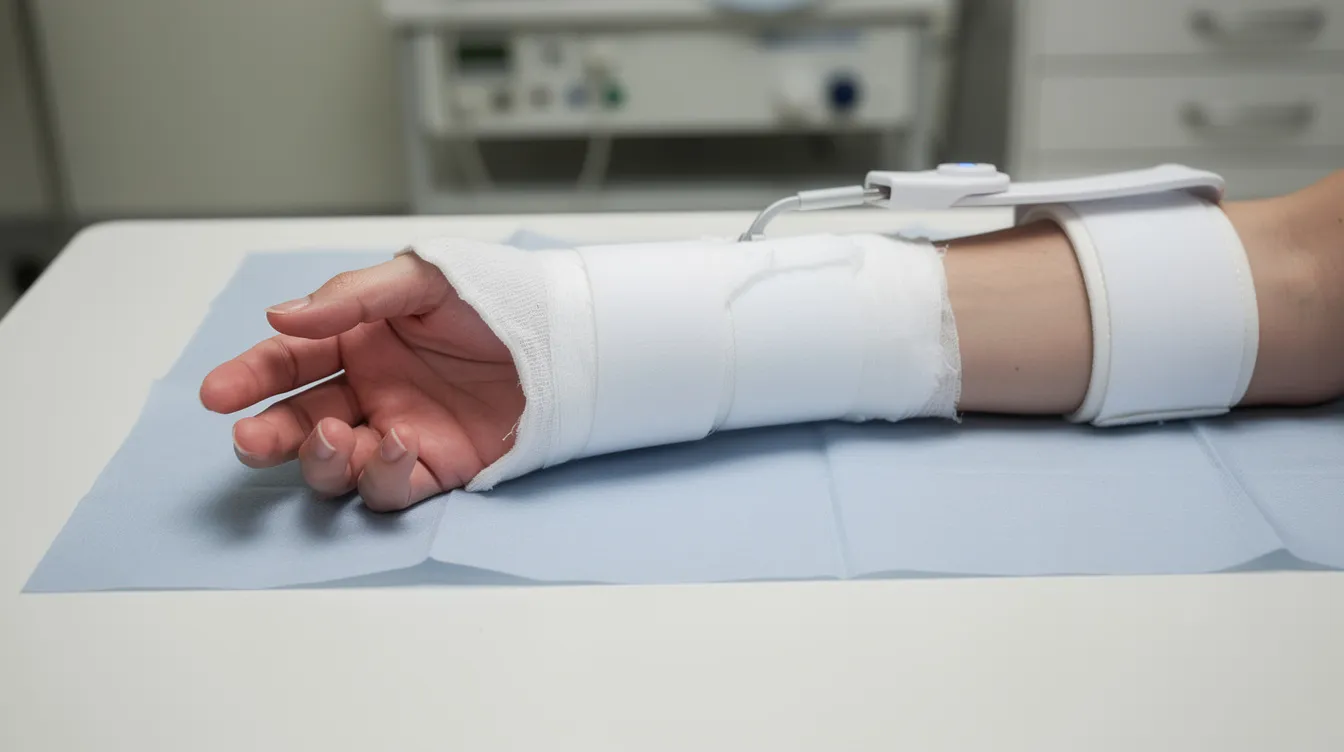
Carpal Tunnel Syndrome, Nerve Damage, and Repetitive Hand Injuries
Not every workplace injury happens in one moment. Carpal tunnel syndrome involves pressure on the median nerve at the wrist, causing numbness, tingling, weakness, and pain in the thumb, index, and middle fingers. Common causes include keyboard work, vibrating tools, assembly lines, food packing, agriculture, manufacturing, and road crews.
Diagnosis and Treatment of Repetitive Hand Injuries
Diagnosis may include examination, nerve conduction studies, EMG testing, MRI, ultrasound, and specialist review. Further treatment may include splints, medication, ergonomic changes, physical therapy, injections, or surgery. Proving causation can be difficult when the insurer blames hobbies, age, diabetes, or pre-existing symptoms; an experienced workers comp attorney can gather job descriptions, tool-use evidence, and medical opinions.
Steps to Take Right After a Work-Related Hand Injury in Colorado
Quick action protects health and the claims process. In Colorado, injured workers must report their workplace hand injury to their employer in writing within four working days. In Colorado, employees must report a workplace injury in writing to their employer within 4 days to ensure their eligibility for workers’ compensation benefits. An injured worker generally has two years from the date of the injury to officially file a claim with the Colorado Division of Workers’ Compensation.
After being injured on the job, take the following steps:
-
Report the injury in writing to your employer as soon as possible.
-
Request the provider list from your employer or insurance carrier.
-
Get immediate medical care from an authorized treating physician.
-
Follow all medical restrictions and recommendations.
-
Photograph visible injuries and equipment involved in the incident.
-
Save all bills and pay stubs related to your injury and treatment.
-
Keep every communication with the insurance adjuster or employer.
The process of filing a workers’ compensation claim in Colorado requires the injured worker to submit a claim to their employer, who is then responsible for notifying their insurance carrier. Do not give a recorded statement or accept a settlement before understanding your rights; call (719) 309-9484 or message us online .
Common Insurance Company Tactics in Colorado Hand Injury Claims
Insurers often minimize hand claims by calling nerve symptoms temporary, blaming carpal tunnel on non-work activities, sending workers to insurance-friendly doctors, offering quick lump sums, or pushing light duty that violates restrictions. These tactics can reduce medical costs, lost wages, and maximum benefits.
If a workers’ compensation claim is denied, the injured worker has the right to appeal the decision to the Colorado Office of Administrative Courts. Johnston Law Firm can seek second opinions, prepare for DIME exams, document job duties and functional loss, and pursue fair compensation when benefits are denied, delayed, or underpaid.
Why Work with Johnston Law Firm, LLC on a Colorado Hand Injury Claim?
Hand injury cases are often undervalued because they involve medical complexity, Scheduled Injury math, and long-term work limitations. Steve Johnston is a Pueblo trial lawyer and founder of Johnston Law Firm, LLC, with practice groups in workers’ compensation, personal injury, automobile accidents, estate planning, criminal law, and social security law. Since the early 2000s, he has represented Colorado workers before workers comp judges, the Industrial Claim Appeals Office, and appellate courts.
Our firm evaluates whether injuries should be treated as scheduled hand losses, whole-person impairment, or part of a larger permanent disability picture. We also review average weekly wage, worker’s average weekly wage, MMI, impairment ratings, third-party claims, Social Security Disability issues, and settlement structure. For a free, no-obligation consultation with an experienced attorney and workers compensation lawyer, call Johnston Law Firm at (719) 309-9484 or message Johnston Law Firm online .

Frequently Asked Questions About Colorado Workers Comp Hand Injury Claims
How long do I have to report a hand injury at work in Colorado?
Report it in writing as soon as possible. Written notice within four working days is strongly recommended, and you should keep a copy. If you delayed reporting, contact Johnston Law Firm quickly because exceptions or defenses may apply.
Can I choose my own doctor for a work-related hand injury in Colorado?
Usually, your employer or workers compensation insurance carrier provides designated medical providers, and you must treat with an authorized treating physician for bills to be covered. If your hand symptoms are being ignored, legal help may be needed to seek referrals or challenge care.
Will my Colorado hand injury settlement include pain and suffering?
Colorado workers compensation does not pay traditional pain and suffering damages. It provides medical benefits, wage replacement, permanent disability benefits, and other defined benefits. A separate third-party personal injury claim may allow pain and suffering damages if another party, such as a negligent driver or equipment manufacturer, caused the injury.
What if my Colorado workers comp hand injury claim is denied?
Denials often involve causation, pre-existing conditions, late notice, or disputes over occupational disease. You may request a hearing and appeal adverse decisions, but strict deadlines apply. Call (719) 309-9484 or send a message online .
Do I need a workers compensation attorney for a minor hand injury?
Maybe not if you fully recover quickly. But if you need surgery, have numbness, reduced grip strength, permanent restrictions, a low impairment rating, or settlement paperwork, get a free consultation before signing anything.