Teen Driver Accidents in Colorado: Parent Responsibility, Insurance, and Legal Options
When a teen driver is involved in a car accident in Colorado, families face questions that most people have never had to think about before. Who pays for the damage? Can parents be held liable for their teen's mistake? What insurance actually covers this? And what should you do-or avoid doing-right now?
These situations move fast. Adjusters call within hours. Medical symptoms show up days later. And the legal rules that apply to teen driving accidents in Colorado are different from what most parents expect.
Key Takeaways
-
Teens are held to the same traffic laws as adults, but Colorado's Graduated Driver Licensing restrictions, cell phone bans, and zero-tolerance rules for driving under the influence can heavily influence who is held liable after a crash.
-
Parents may be financially responsible under the Colorado Affidavit of Liability, the family car doctrine, negligent entrustment, or their household insurance coverage when a teen causes a car accident.
-
Injury symptoms and car accident damages often grow over days and weeks, so families should not rush into recorded statements or quick settlements after a teen crashes.
-
Colorado follows modified comparative negligence, meaning an injured person can recover compensation as long as they are less than 50% at fault-but insurers aggressively try to push that number higher.
-
Johnston Law Firm, LLC in Pueblo offers a free consultation to Colorado families dealing with fault questions, insurance coverage disputes, and next steps after a teen driver crash.
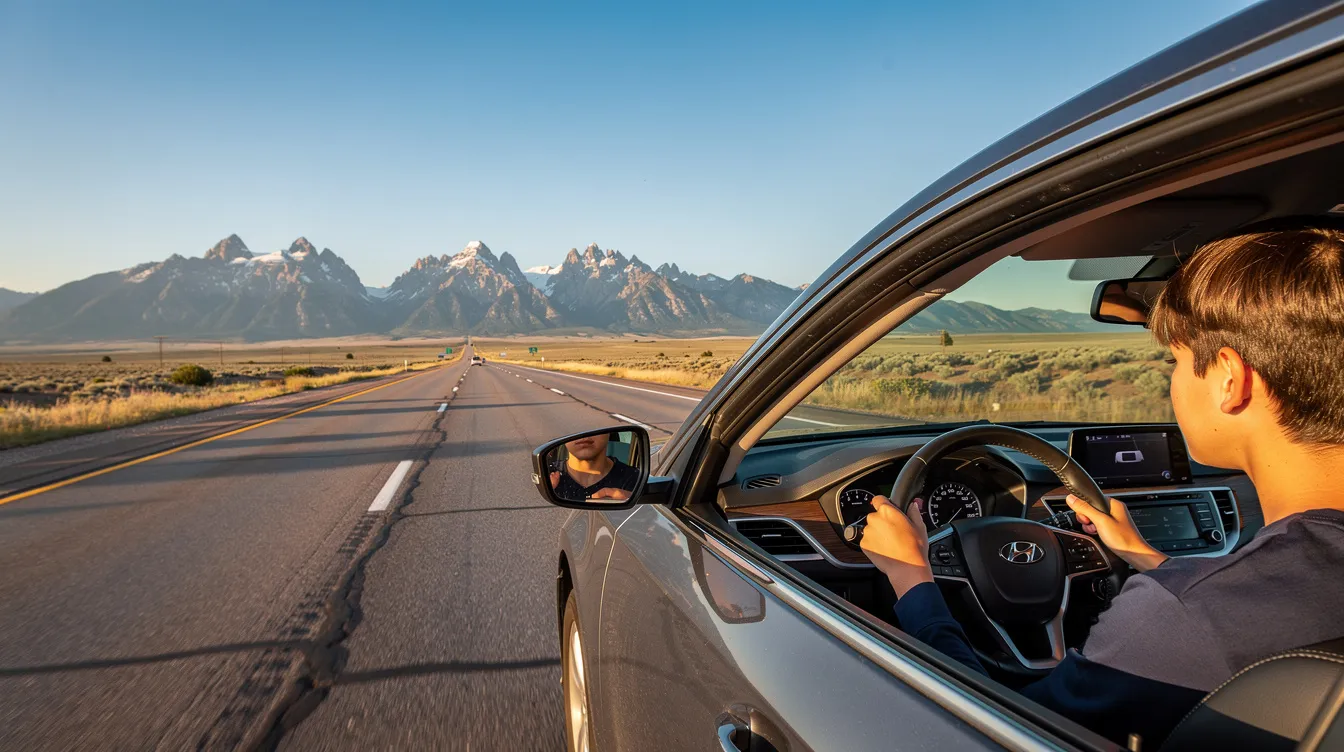
Colorado Teen Driver Accidents: Why Families Feel Overwhelmed So Quickly
Picture this: your 16-year-old rear-ends another car on I-25 south of Pueblo. The police show up. Your teen is shaken. The other driver is holding their neck. Within an hour, your phone rings-it's an insurance adjuster asking questions. By morning, the repair shop says the damage is worse than it looked. And now you're wondering whether your family's savings are at risk.
This is how teen driver crashes usually unfold. What starts as a "minor" fender-bender can reveal whiplash, concussions, and repair estimates that double once a shop does a full tear-down. The adrenaline at the scene masks pain. The bumper hides structural damage. And suddenly, a car wreck that seemed manageable becomes a serious Colorado personal injury case.
Parents face an immediate flood of questions: Is my teen personally on the hook? Are my own wages or assets exposed? How does our auto policy respond, and do we have umbrella coverage? Meanwhile, the injured person in the other vehicle is dealing with their own medical bills and lost wages-and their attorney may already be investigating your teen's driving history.
Steve Johnston has seen how fast teen driver car accidents in Colorado turn into complicated claims when families don't control information and preserve evidence from day one.
First Legal Step: Talk with a Colorado Car Accident Lawyer Before You Guess About Fault or Coverage
One of the smartest early decisions after a teen driver crash is a quick, confidential call with an experienced Colorado auto accident lawyer who understands teen-specific liability issues.
Johnston Law Firm offers a free consultation by phone at (719) 309-9484 so parents and injured drivers can walk through what happened and what insurance coverage might apply. Families who prefer to explain details in writing or reach out after hours can Message Johnston Law Firm Online.
A short call can prevent damaging recorded statements, missed evidence, and early settlement mistakes that are nearly impossible to fix later.
How Colorado Law Treats Teen Drivers Behind the Wheel
In Colorado, teen drivers are judged under the same basic "reasonable driver" standard as adults in a car accident case. There is no special leniency because someone just got their license last month.
Police and insurers look at the same core factors regardless of age:
-
Speed
-
Lane position
-
Safe following distance
-
Right of way
-
Compliance with stop signs and traffic signals
A teen's inexperience is not a legal excuse for violating road rules. But inexperience combined with distractions, multiple passengers, or nighttime driving can multiply the risk of teen crashes-and the evidence of fault.
A citation issued to a teen for careless driving, following too closely, or texting is important evidence, but it's not the final word. Fault still depends on all available evidence, including what other drivers were doing.
Colorado's modified comparative negligence rule (C.R.S. § 13-21-111) can assign partial fault to several drivers, including teenagers and adults, depending on their conduct. An injured person can recover compensation as long as their share of fault stays below 50%. If they hit 50% or more, they recover nothing.
Colorado's Teen Licensing Rules and How They Affect a Car Accident Claim
Colorado's Graduated Driver Licensing system was designed by state legislators to phase new drivers into full driving privileges over time-and it works. Since GDL laws took effect in 2002, teen driver fatalities in Colorado have dropped roughly 35%. But when a teen violates GDL restrictions at the time of a crash, those violations become powerful evidence in a personal injury claim.
Here are the key GDL limits every Colorado parent should know:
-
Learner's permit: Available at age 15. Teens must be accompanied by a licensed adult age 21 or older sitting in the front seat. Teens must complete 50 hours of supervised driving practice, including 10 hours at night, before taking the driving skills test.
-
Nighttime curfew: During the first year with a minor driver's license, teens cannot drive between midnight and 5 a.m. unless specific exceptions apply (such as driving for work or school with a signed statement, or having a passenger age 21 or older).
-
Passenger restrictions: For the first six months, no passengers under 21 except siblings. After six months, one passenger under 21 is allowed. Full flexibility comes after one year or at age 18.
-
Cell phone ban: Drivers under 18 are prohibited from using a cell phone for any purpose while driving-calls, texting, browsing, even hands-free. Only medical emergencies are excepted.
-
Written test and skills test: Before receiving a minor driver's license, a teen must pass a written test and hold their learner's permit for at least 12 months.
Violating GDL restrictions can lead to fines and license suspension. But in a civil claim, the violation serves a different purpose: it can be strong evidence of negligence. If a teen was carrying multiple passengers in violation of the restriction, or texting on their cell phone at the time of impact, an insurance company or attorney will use that fact aggressively.
That said, a GDL violation does not automatically make the teen 100% at fault. Insurers still must look at road conditions, the other driver's speeding or distracted driving, and every surrounding fact.
Common Causes of Teen Crashes in Colorado
Most teen crashes are preventable. Inexperience is the background factor that makes every other driving mistake more dangerous. Over 16,000 teenagers aged 15–19 crashed in Colorado in recent tracking periods, and teen drivers are at their highest crash risk during the first three months after receiving a license.
The most common contributing factors include:
-
Distracted driving: Texting, social media, snapping photos-cell phone use behind the wheel is a frequent focus of modern crash investigations. Inattention is a leading factor in at-fault crashes involving 16- to 19-year-old drivers in Colorado.
-
Speeding: Speeding consistently ranks among the top contributors to fatal teen crashes. Many teens underestimate stopping distances, especially on wet or gravel roads common in Pueblo, Otero, and Fremont counties.
-
Insufficient following distance: Many rear-end collisions involving teens result from insufficient stopping distance. A young driver simply hasn't developed the instinct for how much space is enough.
-
Drifting from a lane: Drifting is a major contributing factor to crashes among Colorado teens-often linked to phone use, fatigue, or simply looking away for a moment.
-
Failure to yield: Failure to yield the right-of-way is common at intersections involving teen drivers, especially during left turns or merges onto highways like I-25 and I-70.
-
Nighttime driving: Nighttime driving increases the risk of accidents for teens. Fatigue after late practices, jobs, or weekend trips between counties magnifies every other risk factor.
-
Driving under the influence: Alcohol, marijuana, and other drugs are especially dangerous for young drivers due to slower judgment and Colorado's zero-tolerance BAC rules. Driving under the influence of alcohol or drugs contributes to severe crashes involving young drivers.
-
Seat belt non-use: Teens have one of the lowest seat belt usage rates among age demographics. About 39% of teen drivers killed in Colorado crashes were not wearing a seat belt.
The numbers tell a sobering story. In 2025, 86 teen drivers and passengers were killed in traffic crashes in Colorado. Teen traffic deaths in Colorado increased by 91% over the past decade. The summer months historically see a spike in at-fault crashes involving young drivers. Many teens are more likely to crash simply because of inexperience-and that inexperience compounds every other risk.
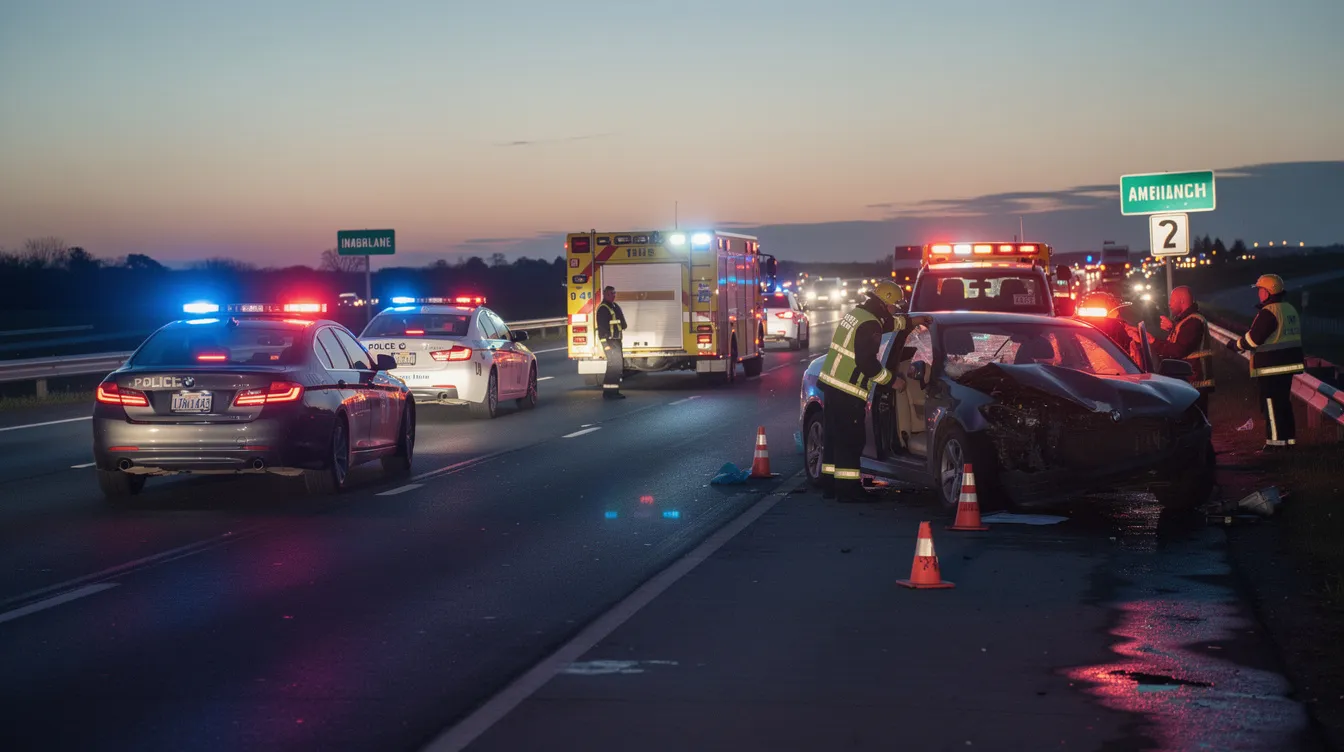
When Parents Can Be Held Liable for a Teen Driver's Car Accident
Colorado law provides several ways injured people can reach a parent's insurance coverage or assets after a teen causes a car accident. Parents can share liability for teen driver accidents in Colorado through multiple legal theories.
Being a parent does not automatically mean full liability. But signing certain DMV forms, owning the vehicle, or knowingly allowing unsafe driving can all play major roles. Under state law, there are three primary paths to hold parents accountable. For a deeper look at negligence and liability concepts, visit Johnston Law Firm's Colorado car accident page.
The Affidavit of Liability on a Teen's License Application
In Colorado, a teen typically cannot get a driver's license without a parent or guardian, or another responsible adult, signing an Affidavit of Liability and Guardianship form (DR 2460) through the Colorado Department of Revenue's DMV. This requirement exists under C.R.S. § 42-2-108.
By signing, the adult agrees to share financial responsibility for damages caused by the teen's negligent driving. The Affidavit of Liability binds parents to financial responsibility for teen accidents until the teen turns 18 or the affidavit is properly withdrawn using a separate form.
After a crash involving a teen, insurers and attorneys routinely request a copy of this affidavit to see who may be held financially responsible. Signing the Affidavit of Liability makes parents financially responsible-but the scope of that responsibility depends on the circumstances, the available insurance, and how the crash happened.
Families should not panic, but they should locate and review the form with a lawyer to understand the real financial risk and what insurance coverage applies.
The Family Car Doctrine in Colorado Teen Crash Cases
The family car doctrine is a legal theory that can hold a car's owner-often a parent-liable when a family member uses the vehicle for family purposes and causes a crash. Colorado courts have recognized this doctrine since at least Greenwood v. Kier (1952), and it remains part of Colorado's civil jury instructions.
Here's a concrete example: a parent titles and insures a sedan primarily for school, sports, and a teen's part-time job. The teen rear-ends someone on the way to practice. Under the family car doctrine, the parent's liability coverage may come into play because the car was maintained for general family use and the teen had permission to drive it.
Courts look at control over the car, normal household use, and who pays for gas, maintenance, and insurance when deciding whether this doctrine applies. This is another reason both injured people and parents should speak with counsel before assuming they understand all potential defendants and insurance policies in play.
Negligent Entrustment of a Vehicle to a Teen
Negligent entrustment is a separate cause of action that applies when someone allows another person to drive a vehicle unsupervised while knowing-or having reason to know-that driver is unfit, reckless, or impaired. Negligent entrustment can hold parents liable for unsafe teen driving.
Examples involving teens:
-
A parent knowingly allows a teen with a suspended license to take the family car
-
A parent lets a teen drive despite repeated speeding tickets or a prior DUI
-
A parent hands the keys to a teen who has been drinking or using marijuana
Under Colorado case law (Casebolt v. Cowan, 829 P.2d 352), this theory focuses on the adult's decision to hand over the keys, not just on the teen's negligent driving behind the wheel. Evidence may include prior citations, school discipline records, text messages, and witness statements about what the parent knew.
How Fault Is Proven in a Colorado Teen Driver Accident
Insurance adjusters and courts rely on physical evidence and documented facts-not rumors or assumptions about teen drivers. Proving fault means building a factual record that can withstand scrutiny from multiple parties.
Key evidence sources include:
-
Police crash reports documenting the scene, citations, and officer observations
-
Photographs of vehicle damage, the roadway, skid marks, debris, and weather conditions
-
Traffic camera and surveillance video from nearby businesses or intersections
-
Modern vehicle data: Event data recorders (EDRs) and telematics can reveal speed, braking, seat belt use, and possible distracted driving at the moment of impact
-
Cell phone records showing whether the phone was in active use in the minutes before the crash
-
Witness interviews, including passengers and bystanders, who can clarify whether GDL rules were violated and which driver had the right of way
In serious personal injury cases, Johnston Law Firm may work with accident reconstruction experts to explain technical findings in clear language to insurers, judges, and juries. That kind of expert testimony can be the difference between a denied claim and fair compensation-especially when other drivers, multiple parties, or disputed facts are involved.
Unsure Who Is Legally Responsible? Get a Case-Specific Review
Figuring out how comparative negligence, affidavits, vicarious liability laws, and the family car doctrine interact in a given crash is genuinely confusing. Even experienced insurance adjusters sometimes get it wrong-and they aren't looking out for your interests.
Call Steve Johnston at (719) 309-9484 to walk through the specific facts of your teen crash in Pueblo, Colorado Springs, or any Colorado county. You can also Contact Johnston Law Firm Online to upload photos, police reports, or insurance letters for a focused review.
Early legal guidance helps identify all responsible parties and coverage sources before evidence disappears or deadlines close off options.
Insurance Coverage After a Teen Driver Crash in Colorado
Teen crashes often involve more insurance policies than families realize. Understanding which coverage applies-and in what order-is critical to getting fair compensation.
-
Primary liability coverage: The liability policy on the vehicle the teen was driving is typically the first layer to pay for injuries and property damage if the teen is at fault. Teen drivers are often covered under their parents' insurance policies.
-
Permission and listing disputes: Insurers may argue about whether the teen had permission to use the car, whether they were listed as a driver on the policy, or whether any policy exclusions apply. Insurance disputes may arise if a teen violates licensing restrictions. If a teen was driving without proper authorization, coverage applies differently-or may not apply at all.
-
Umbrella policies: Some households carry umbrella coverage that kicks in after auto policy limits are exhausted, but these policies may have their own requirements.
-
Uninsured/underinsured motorist coverage: Injured parties should check their own UM/UIM benefits. Colorado allows stacking of uninsured motorist coverage in some cases, which can increase available limits. This underinsured motorist coverage matters especially when the at-fault teen has low policy limits.
-
MedPay: Colorado MedPay coverage can pay certain medical bills regardless of fault, helping bridge the gap while liability is sorted out.
Teen drivers involved in accidents may face lower policy limits than experienced adults, which means an injured person's own insurance policies become even more important.
Recorded Statements, Social Media, and Other Insurance Traps
An insurance company will often contact teens and parents within days-sometimes hours-requesting recorded statements. These statements can lock in incomplete or poorly worded descriptions of the crash before medical evidence, vehicle inspections, or cell phone data has been reviewed.
Practical guidance:
-
Do not give detailed recorded statements or sign broad medical releases until you have legal advice, especially when liability is disputed.
-
Avoid social media posts, texts, or online comments about the accident or injuries. Insurers routinely monitor social media to downplay claims or argue that injuries aren't as serious as claimed.
-
Keep communication with adjusters factual, brief, and documented. Let an attorney handle negotiations and formal statements whenever possible.
Injuries and Damages Common in Teen Driver Car Accidents
Teen crashes can cause serious injuries not only to other motorists, cyclists, and pedestrians, but also to the teen driver and friends riding as passengers. Even crashes that look minor can produce injuries that linger for months.
Common physical injuries include:
-
Whiplash and soft tissue neck injuries
-
Concussions and other traumatic brain injuries
-
Broken bones and fractures
-
Facial injuries from airbags or steering wheels
-
Spinal injuries, including herniated discs
-
Internal organ damage-sometimes with no visible injuries at the scene
Young brains are still developing, so concussions and post-concussive symptoms in teens may require careful follow-up with neurologists and neuropsychologists. These injuries don't always show up on an initial ER visit.
Recoverable damages in a Colorado personal injury claim may include:
-
Past and future medical bills
-
Future care costs, including therapy and rehabilitation
-
Lost income (including parents' lost wages from caring for an injured minor)
-
Diminished earning capacity
-
Pain and suffering
-
Loss of enjoyment of life
In a case where someone else's negligence caused or contributed to the automobile accident, the at-fault party's insurance is responsible for compensating these losses. Parents may have separate claims for certain expenses, and in tragic wrongful death cases, additional rights exist under colorado law that should be discussed with counsel.

Why Early Legal Help Can Increase the Value of a Teen Crash Claim
Documenting injuries, following medical advice, and coordinating insurance claims correctly in the first weeks can significantly affect total compensation. Mistakes made early-skipping follow-up appointments, accepting a fast settlement, or failing to track expenses-are difficult to undo.
If you're dealing with hospital bills, therapy appointments, or pressure from adjusters, call Johnston Law Firm at (719) 309-9484 to review your medical and financial losses. You can also Request Your Free Consultation Online if you prefer to outline your injuries and questions in writing.
Steve Johnston can help organize medical records, track lost income, and present a clear damages picture so insurers cannot minimize the impact of the teen driver accident.
Practical Steps to Take Immediately After a Teen Driver Accident
When an accident occurs, safety and medical needs come first:
-
Call 911. Even if the crash seems minor, get it documented. Move motor vehicles out of live traffic if it's safe to do so.
-
Get medical attention for everyone. Insist that all occupants are checked by EMTs-even if they initially feel "fine." Seek medical attention the same day or within 24 hours, since neck, back, and head injuries may not fully appear until later.
-
Don't argue fault at the scene. Remind your teen to stay calm, exchange insurance information, collect witness names and phone numbers, and take photos of vehicles, the roadway, and any visible damage.
-
Start a simple accident file. Track claim numbers, adjuster names, medical appointments, pain levels, missed school or work, and out-of-pocket costs. This becomes invaluable later.
-
Contact a lawyer early. Preserving cell phone records, vehicle data, and witness memories is time-sensitive. Evidence can fade or be overwritten quickly-especially electronic data.
Medical emergencies should always take priority, but these steps protect your family's legal rights in the days and weeks that follow.
How Johnston Law Firm Builds and Resolves Teen Driver Cases
Teen driver cases at Johnston Law Firm are handled like any serious car accident case, with extra attention to parent responsibility, insurance layering, and the teen's future.
The typical process includes:
-
Free initial consultation: Review the facts, identify coverage, and map out a plan
-
Evidence preservation: Gathering police reports, photos, vehicle inspections, witness interviews, and electronic data
-
Liability analysis: Determining fault under Colorado's comparative negligence framework, including whether vicarious liability or negligent entrustment theories apply
-
Medical narrative development: Working with treating doctors, therapists, and sometimes independent experts to show the full impact of injuries-especially in younger clients whose recovery trajectory is still unfolding
-
Settlement negotiations or trial preparation: Most cases resolve through negotiation or mediation, but Johnston Law Firm prepares all serious cases as though they might go before a jury in a Colorado court
Many personal injury matters are handled on a contingency fee basis, meaning attorney fees are typically paid only if there is a recovery. That reduces financial stress for families who are already dealing with medical bills and lost income. For more about the firm's approach, visit Steve Johnston's attorney bio.
Special Issues: When the Injured Person Is a Minor
When the injury victim is under 18, Colorado law requires additional steps to approve settlements and protect the minor's funds. Courts may review settlement terms to ensure they serve the child's best interest and may restrict immediate access to some or all of the money.
Parents and legal guardians often have questions about how settlement funds can be used-for medical bills, counseling, education, or other needs. These questions should be answered before signing any release.
Minor drivers and minor injury victims both benefit from having a Colorado attorney who regularly handles claims involving children and knows how to coordinate with the appropriate court. If you risk losing track of these requirements, the consequences can affect your child's financial security for years.
Colorado Deadlines for Lawsuits Involving Teen Drivers
Colorado generally allows three years from the date of a motor vehicle accident to file a lawsuit for bodily injury. But exceptions apply:
-
When the injured person is under 18, the statute of limitations may be tolled (paused) until they turn 18. After that, the standard period runs.
-
Wrongful death claims must typically be filed within two years of the date of death.
-
Cases involving government vehicles require written notice within 182 days under Colorado's Governmental Immunity Act.
Waiting too long harms the case even if the legal deadline hasn't passed. Evidence disappears, witness memories fade, and insurers grow more skeptical about injury claims that weren't diligently pursued. Speak with a lawyer well before any potential deadline to confirm how the statute of limitations applies to your specific situation.
Helping Your Teen After a Crash: Safety and Teaching Moments
A crash is both a safety event and a teaching opportunity. Parents should focus on honesty, responsibility, and safe driving habits going forward-not punishment.
Specific topics to review with your teen:
-
Staying off cell phones while driving-no exceptions
-
Always wearing a seat belt, and insisting passengers do the same
-
Refusing rides with impaired friends
-
Obeying curfew and passenger limits
-
How to drive responsibly in bad weather and on unfamiliar roads
Parents must teach safe driving habits to their teen drivers-and model them. No texting behind the wheel. Sober driving. Calm responses to traffic. Many teens learn more from watching than listening. Consider working with a professional driving instructor if your teen needs additional practice after a crash.
If your teen experiences anxiety, nightmares, or reluctance to drive after a serious car accident, professional counseling can make a meaningful difference.
Every Teen Crash Is Different-Get Advice Tailored to Your Family
Some families contact us after a minor rear-end collision. Others are dealing with ICU stays, surgeries, or long-term rehab. Cookie-cutter answers from the internet cannot address the unique mix of injuries, insurance policies, affidavits, and family car doctrine issues in a real case.
Call Johnston Law Firm at (719) 309-9484 to speak with a team that regularly helps Colorado families after teen driving accidents. If you prefer to start the conversation by message, Discuss Your Case Online and attach any police reports or letters you've already received.
Why Colorado Families Choose Johnston Law Firm After Teen Driver Accidents
Steve Johnston has decades of experience representing injured people throughout Colorado-from Pueblo and Pueblo West to Fremont, Otero, Huerfano, Las Animas, Custer, and Crowley counties-on car accident and personal injury matters. As experienced trial lawyers, the firm prepares every serious case with the depth needed for court, even when the goal is a fair settlement.
The firm's size allows for direct attorney attention with the support of a dedicated legal team, so families are not shuffled between anonymous call centers or case managers. Johnston Law Firm's familiarity with local roads, law enforcement practices, and Colorado courts helps in evaluating liability, settlement value, and trial strategies.
Prior case results and client testimonials reflect a track record of diligent, client-focused advocacy for families across southern Colorado and beyond.
Frequently Asked Questions About Teen Driver Accidents in Colorado
These questions address issues not fully covered above. Answers are general information, not specific legal advice.
Does my teen have to talk to the other driver's insurance company?
No. A teen is not legally required to give a recorded statement to another driver's insurer. Doing so without guidance can create unnecessary risk-details may be incomplete, poorly worded, or taken out of context. Parents should politely tell adjusters they will consult an attorney first. A lawyer can help decide what information must be shared and in what format.
Will a teen's accident automatically raise our insurance rates in Colorado?
There's no single automatic outcome. Premium increases depend on the carrier, the type of claim, who was at fault, the severity of the accident, and the policy's specific rating rules. Ask your agent how a paid claim, traffic ticket, or at-fault determination could affect premiums. Factor those potential costs into any decisions about how to handle the claim.
What if the at-fault teen driver has very low policy limits?
Many new drivers carry minimum required liability limits, which can be exhausted quickly by hospital bills and lost wages in a crash involving serious injuries. An attorney will look for additional coverage sources: the teen's household insurance policies, any umbrella coverage, and the injured person's own uninsured and underinsured motorist coverage.
Can we settle our child's injury claim from a teen crash without going to court?
Many claims involving injured minors settle through negotiation with insurers. But Colorado courts may still need to approve the settlement to protect the child's interests. A parent or guardian cannot simply sign a release and close the case if the child's rights might be affected. An attorney handles the paperwork and any required hearings so the family doesn't have to navigate the court system alone.
Should we get our teen a lawyer if they were the at-fault driver?
Yes-even when a teen appears to be at fault, legal advice can help protect them from unfair blame, clarify parent responsibility under the Affidavit of Liability, and manage communications with multiple insurers. A defense-oriented consultation can also identify coverage disputes or potential excess-judgment issues that might affect family finances. It's not about avoiding responsibility-it's about making sure the outcome is fair and that your family isn't paying more than what colorado law actually requires.
Talk With Johnston Law Firm About Your Teen Driver Accident Today
Teen driver accidents in Colorado blend standard car accident law with special issues like the Affidavit of Liability, the family car doctrine, GDL violations, and minor-injury settlements. Sorting through fault, insurance coverage, medical bills, and legal deadlines is stressful-especially while you're also caring for an injured teen or managing your own recovery.
You don't have to do this alone. Call Steve Johnston at (719) 309-9484 for a no-cost, no-obligation review of your situation, whether you live in Pueblo, Colorado Springs, or anywhere else in Colorado. You can also Speak With Johnston Law Firm Online to start the conversation in writing.
Acting now helps preserve evidence, avoid costly mistakes with insurers, and protect your family's legal rights before deadlines pass.