Speeding Accident Colorado: Legal Guide From a Pueblo Car Accident Lawyer
A speeding accident in Colorado can turn an ordinary drive into a life-altering event in seconds. Whether you were rear-ended on I-25 by a driver doing 85 in a 65 zone or T-boned at a Pueblo intersection by someone who blew through a red light, the aftermath brings pain, confusion, and hard questions about what happens next. This guide breaks down what you need to know-from protecting yourself at the accident scene to understanding how Colorado law handles speeding-related car accident cases-so you can make informed decisions about your health, your rights, and your future.
Key Takeaways
-
Speeding is a leading cause of traffic crashes in Colorado, and speed-related crashes consistently account for a significant share of roadway deaths each year. Over 1,274 people have died in speeding-related accidents in Colorado over the last five years.
-
Under Colorado law, speeding is often treated as negligence per se, which can make it easier to prove liability against the at fault driver in a car accident claim.
-
Car accident victims should seek medical attention immediately-even when injuries seem minor-because spinal cord injuries, traumatic brain injuries, and internal injuries are often delayed.
-
Colorado allows three years to file personal injury claims and generally two years for wrongful death cases, making early legal advice critical.
-
Johnston Law Firm, LLC in Pueblo helps speeding accident victims across Colorado pursue fair compensation with a personal, hands-on legal team led by attorney Steve Johnston.
What To Do Right After a Speeding Accident in Colorado
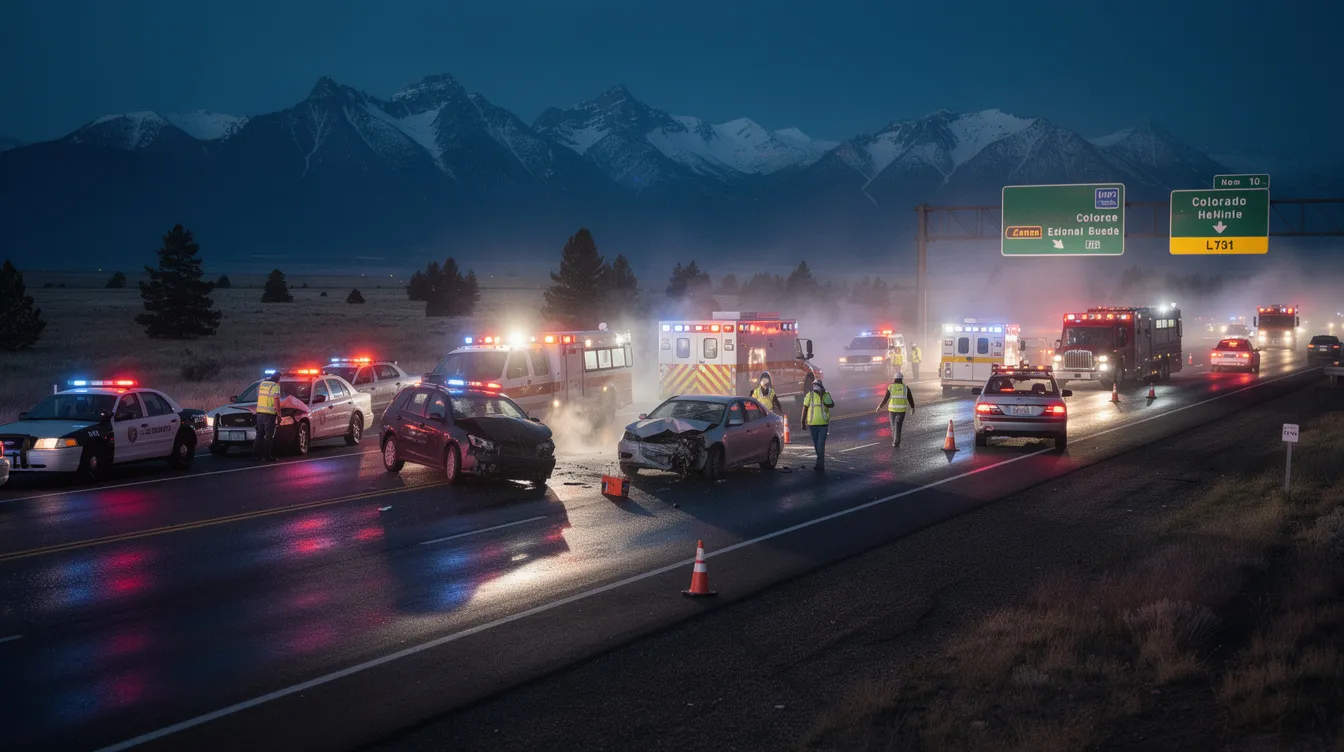
Picture this: you're merging onto I-25 south of Pueblo when a vehicle doing well over the speed limit slams into your rear quarter panel at 75 mph. Or you're crossing a Colorado Springs intersection when a speeding driver runs a red light and hits you broadside. In those first chaotic minutes, the steps you take matter enormously-both for your safety and for any future car accident claim.
-
Call 911 immediately. Request police and EMS. An official police report creates a record of the accident, including the responding officer's observations about speed, road conditions, and driver behavior. Fleeing the scene can lead to criminal charges for the at fault driver and complicate your case.
-
Check for injuries and get help. Seek medical attention on scene or within 24 hours, even if you feel "just sore." Adrenaline masks pain. Injuries like concussions, internal bleeding, and herniated discs may not produce obvious symptoms right away.
-
Exchange information with the other driver. Get their license, registration, and insurance details. Do not admit fault or apologize at the scene-even a casual "I'm sorry" can be twisted by insurance companies later.
-
Document the accident scene. Take photos and short videos of vehicle damage, skid marks, traffic signs, debris patterns, and any visible injuries. High-speed damage patterns can help accident reconstruction experts establish how fast the other driver was traveling.
-
Gather witness names and phone numbers. Independent bystanders who saw the speeding or heard the impact can provide witness statements that strengthen your case.
-
Do not give detailed recorded statements to any insurance company before speaking with a Colorado auto accident attorney. Adjusters ask leading questions designed to limit what they pay.
If you were hurt in a crash anywhere in Pueblo or throughout Colorado, contacting an experienced attorney quickly can help protect evidence before it disappears.
Talk With a Colorado Speeding Accident Lawyer Now
You don't have to figure this out alone. Early legal guidance can reduce stress and prevent costly mistakes with the insurance company that are hard to undo later.
-
If a speeding driver hit you anywhere in Colorado-Pueblo, Colorado Springs, along the I-25 corridor, or in a rural county-call Steve Johnston at (719) 309-9484 for a free consultation.
-
You can also Message Johnston Law Firm Online to get quick answers about medical bills, lost wages, and how to handle adjusters.
-
The firm works on a contingency fee basis in personal injury and car accident cases-meaning no legal fees unless compensation is recovered.
-
Getting a lawyer involved early allows the legal team to preserve critical speeding evidence, including data from event data recorders ("black boxes") and nearby camera footage that could be erased within days.
How Speeding Causes Serious Colorado Car Accidents
Colorado's mix of interstates, mountain passes, city streets, and unpredictable weather makes speeding particularly dangerous. Speeding is a significant contributor to fatal crashes involving vulnerable road users like pedestrians and cyclists, and it consistently ranks among the top causal factors in collisions statewide.
-
Longer stopping distances. High speeds significantly increase the stopping distance needed for vehicles. A car traveling at 70 mph needs roughly twice the distance to stop compared to one at 50 mph. That leaves almost no margin when traffic slows suddenly or a deer steps onto the road.
-
Greater crash forces. Speeding increases the severity of injuries in traffic collisions due to higher impact energy. When speed doubles, the kinetic energy at impact quadruples-meaning injuries are not just a little worse, they are dramatically worse.
-
Reduced reaction time. Speeding reduces a driver's reaction time significantly. At highway speeds, even glancing at a GPS for two seconds means traveling over 200 feet without full attention. Distracted driving is a leading cause of car accidents, and speed amplifies its danger.
-
Safety features can't keep up. Seatbelts and airbags are engineered for impacts within certain force ranges. Extreme speeds can exceed those limits, reducing their protective value.
-
Dangerous combinations. Aggressive driving behaviors often accompany speeding, increasing crash risk. Tailgating, aggressive lane changes, and driving too fast for snow or ice compound the danger. Poor weather conditions contribute to many car accidents, and impaired driving increases the likelihood of accidents even further when combined with excessive speed.
According to the Colorado Department of Transportation's Speeding Toolkit, speed was a leading factor in more fatalities in 2024 than impaired driving or unbuckled occupants.

Colorado Speeding Laws and Penalties That Matter in an Injury Case
Colorado law treats speeding as both a traffic offense and, in civil car accident cases, powerful evidence of negligence. Understanding how the statutes work helps you see why a speeding driver's violation matters so much when you're trying to recover compensation.
-
1–24 mph over the posted speed limit is a Class A traffic infraction, carrying fines, surcharges, and DMV points. A 5 mph over speed limit fine is $70 in Colorado. Drivers who exceed the speed limit may face civil fines and demerit points on their licenses.
-
25 mph or more over the limit escalates to a Class 2 misdemeanor. Speeding 25 mph over can result in up to 90 days jail, higher fines, and more license points. Going 25 mph over can lead to a Class 2 misdemeanor that follows a driver's record.
-
Construction and school zones carry stiffer consequences. Fines in construction zones double for speeding violations, and these higher-risk areas often produce serious pedestrian and worker injuries.
-
The "basic speed law." Under Colorado's statute, drivers must travel at a "reasonable and prudent speed" for conditions. That means a driver going below the posted speed limit can still be at fault if conditions-ice, fog, heavy traffic-required slower speeds.
-
Civil versus criminal. While traffic citations are not admissible in civil lawsuits, the underlying conduct (excessive speed, driving too fast for conditions) is central to proving negligence. A ticket helps, but it's not the only way to hold a negligent driver accountable.
Johnston Law Firm reviews the full traffic record, the accident report, and witness accounts of speeding when evaluating potential cases.
Common Types of Speeding-Related Crashes in Colorado
Certain crash patterns appear again and again in speeding cases across Colorado. Recognizing them helps you understand how your own accident fits into a broader picture.
-
Rear-end collisions at high speed on I-25, Highway 50, and other major routes-often when a tailgating driver cannot stop in time for traffic slowdowns. Reckless driving behaviors include tailgating and running red lights.
-
T-bone and intersection crashes where a speeding driver runs a red light or tries to "beat the yellow" at Pueblo city intersections or in Colorado Springs. These are among the deadliest crash configurations.
-
Loss-of-control wrecks on curves or mountain passes-near Cañon City, along the Front Range, or on I-70 west of Denver CO-where drivers exceed safe speeds in snow, rain, or gravel.
-
Multi-vehicle pileups where one speeding driver's late braking triggers chain-reaction collisions. These raise complex questions about shared fault and multiple insurance policies, since in Colorado, fault can be shared among multiple parties.
-
Pedestrian and cyclist impacts in urban corridors where drivers fail to slow for crosswalks or bike lanes. Pedestrian risk of death increases significantly with vehicle speed, and a 1% increase in speed can heighten fatality risk by as much as 12%.
In many real-world cases, speeding combines with distraction, impairment, or fatigue. A driver texting while doing 20 over the limit on a wet road isn't just speeding-they're creating a multi-factor disaster.
Speeding and Serious Injuries: Why High-Speed Crashes Hurt More
In Steve Johnston's experience handling Colorado auto accident cases, high speed car accidents are far more likely to cause extended hospital stays, surgeries, and permanent limitations than lower-speed collisions. In Colorado, speeding accounts for roughly a third of all traffic fatalities annually.
-
Neck and back injuries. Whiplash is a common injury from car accidents, but at higher speeds, the damage goes deeper-herniated discs, fractured vertebrae, and ligament tears that may require injections, surgery, or lifelong pain management.
-
Spinal cord injuries. These may lead to partial or complete paralysis after accidents. The long-term costs-rehabilitation, adaptive equipment, home modifications, lost earning capacity-can reach into the millions.
-
Traumatic brain injuries. TBI from high-speed impacts ranges from concussions to severe brain injuries causing memory problems, personality changes, and cognitive impairment. These often don't appear on early scans, making follow-up care essential.
-
Other physical injuries. Broken bones are frequently sustained in car collisions involving speed, along with crush injuries, internal organ damage, and in extreme cases, severe burns from vehicle fires. Internal injuries can occur from the impact of a crash even when there are no visible wounds.
-
Invisible harms. Post traumatic stress disorder, anxiety about riding in vehicles, depression, and sleep disturbances are compensable damages when properly documented through medical or counseling records.

Why You Must Seek Medical Attention Quickly After a Speeding Crash
Medical care after a car crash is both a health priority and a critical part of building a strong personal injury claim under Colorado law.
-
Adrenaline masks pain. After a high-speed collision, your body floods with stress hormones that can make serious injuries feel like nothing more than stiffness. You can seek medical attention immediately after an accident-and you should.
-
Prompt medical attention creates a paper trail. An ER visit, urgent care exam, or same-day primary care appointment generates medical records that directly link your car accident injuries to the crash. Insurance companies will scrutinize any delay.
-
Gaps in treatment hurt your case. Waiting weeks before seeing a doctor gives adjusters ammunition to argue that your injuries came from something else-a prior condition, a weekend hobby, or normal aging.
-
Follow your treatment plan. Physical therapy, imaging, follow-up appointments, and prescribed medications all demonstrate that your injuries are real and ongoing. Incomplete medical care can reduce both your recovery and your compensation.
Johnston Law Firm cannot provide medical care, but the team can help clients understand how to document treatment and keep organized records that support their injury claim.
How Speeding Helps Prove Liability in Colorado Car Accident Cases
To win a car accident case in Colorado, you must prove the other driver was negligent-that they failed to use reasonable care-and that their behavior directly caused your injuries. Speeding is one of the strongest pieces of evidence you can have.
-
Negligence in plain English. Every driver has a duty to operate their vehicle safely. Driving above the speed limit or too fast for road conditions falls below that standard. Colorado uses an at-fault system for car accidents, meaning the negligent driver (or their insurer) is responsible for damages.
-
Negligence per se. Speeding is often treated as negligence per se under Colorado law, meaning drivers can be held liable automatically when they violate a safety statute like the posted speed limit and that violation causes the type of harm the statute was designed to prevent. This can simplify proving fault considerably.
-
No ticket required. Police reports are not definitive in determining fault. Even without a speeding citation, evidence like skid marks, vehicle damage, black-box data, dashcam footage, and witness estimates of speed can convince a jury or insurer that the other driver was going too fast.
-
Multiple drivers at fault. In some crashes, more than one driver may have been speeding or driving carelessly. Proving relative fault becomes critical because of Colorado's comparative negligence rules.
The chain of cause and effect is often straightforward: excessive speed → inability to stop or control the vehicle → collision → documented injuries. A car accident lawyer experienced in these cases knows how to connect those links with evidence.
Unsure Who Was at Fault? Get a Free Case Review
Many speeding accidents involve disputes about who was really going too fast-or whether conditions required slower driving. That's exactly why legal analysis matters early.
-
Call Steve Johnston at (719) 309-9484 to go over the facts of your car crash, including police findings, photos, and any video or witness information.
-
Contact Johnston Law Firm Online and describe or upload documents (police report numbers, ticket information) for review.
-
The firm can evaluate whether the other driver's speeding, lane changes, or distraction are enough to prove liability under Colorado law-even if the accident report seems unclear.
-
Early legal input can prevent statements or social media posts that insurance companies might later twist to shift blame onto you.
Colorado's Comparative Negligence Rule in Speeding Accidents
Colorado follows a comparative negligence rule for compensation, which means your recovery can be reduced-or eliminated-based on your share of fault. Understanding this rule is essential for anyone involved in a speeding collision.
-
Comparative fault allows recovery if under 50% at fault. If a jury or adjuster finds you 50% or more responsible, you receive nothing. Below that threshold, your damages are reduced by your percentage of fault.
-
Practical example: A jury awards $200,000 in a high-speed intersection crash but determines the injured driver was 10% at fault for slightly exceeding the limit. The net recovery would be $180,000. Comparative fault reduces compensation based on your fault percentage.
-
Insurance companies aggressively allege partial fault-claiming you were going "a little fast," didn't brake soon enough, or weren't wearing your seatbelt-specifically to reduce what they pay.
-
A Colorado car accident attorney can push back against exaggerated comparative fault arguments using expert analysis, physical evidence, and careful review of the crash data. You can recover damages even if partially at fault, but you need someone in your corner to protect your share.
Key Evidence in a Colorado Speeding-Accident Case
Evidence in a speeding case degrades fast. Vehicles get repaired, skid marks wash away, and surveillance footage is routinely overwritten in days or weeks. Acting quickly matters.
-
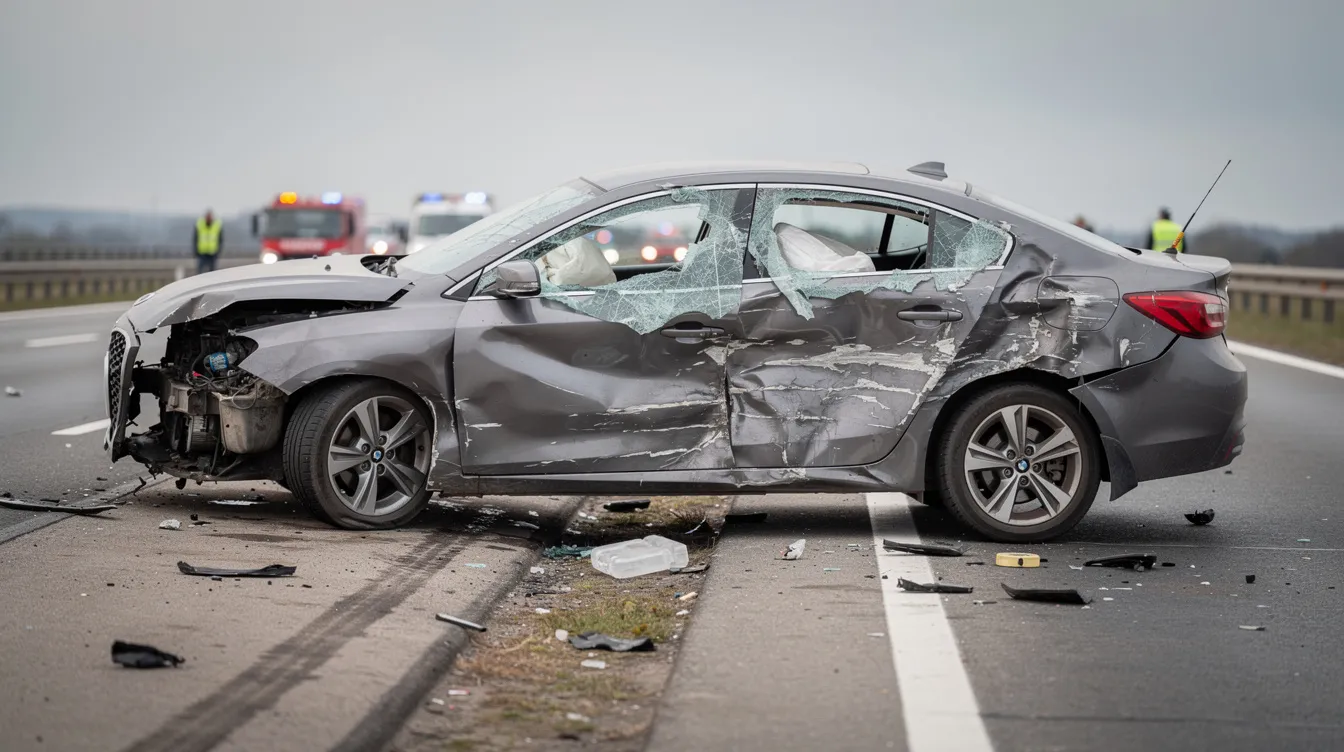
Physical evidence: Skid marks, gouge marks, vehicle crush damage, debris spread, and airbag deployment data help reconstruct speed and impact angles. Document the accident scene with photos if possible before anything is moved or cleaned up.
-
Electronic evidence: Vehicle event data recorders (the "black box"), dashcam footage, nearby business cameras, and traffic cameras at busy Colorado intersections can provide objective data about speed and driver behavior.
-
Testimonial evidence: Witness statements from independent bystanders about how fast the other driver appeared to be going, whether they were weaving, or if they ran a red light carry significant weight.
-
The official Colorado traffic accident report. Officer diagrams, notes about estimated speeds, and contributing factors like "too fast for conditions" provide a framework, though police reports are not the final word on fault.
-
Expert analysis. In serious or disputed cases, Johnston Law Firm may work with accident reconstruction experts who analyze the data and provide clear, jury-friendly explanations of the speeding behavior.
Dealing With Insurance Companies After a Speeding Crash
Insurance adjusters often reach out within days of a motor vehicle accident. They may sound friendly and concerned. They're not on your side.
-
Don't give recorded statements to the at fault party's insurer or speculate about your own speed, fault, or medical condition without legal advice. You have the right to legal representation after an accident, and exercising it protects you.
-
Watch for common tactics. Insurers may argue you were also speeding or not badly hurt, use partial quotes from your statements, or seize on small inconsistencies to deny or devalue your insurance claim.
-
Limit what you share. Provide only basic facts (date, time, location, vehicles involved) to your own insurance company until you've spoken with a Colorado car accident lawyer. Even your own insurer's interests aren't perfectly aligned with yours.
-
Level the playing field. Having a legal team handle communications and negotiations reduces stress and prevents adjusters from using your words against you while you're focused on recovery.
Types of Compensation Available After a Colorado Speeding Accident
Serious speeding accidents create both immediate and long-term losses. Compensation can include medical expenses, lost wages, and pain-but only if every category is properly identified and documented.
-
Medical expenses. Ambulance transport, ER care, hospital stays, surgeries, physical therapy, prescriptions, and future medical expenses like hardware removal or additional procedures. Medical bills from a high-speed crash can be staggering.
-
Lost income and earning capacity. Missed work, reduced hours, forced career changes, or permanent disability affecting future earning power. You can sue for damages if the other party is at fault and your ability to earn has been diminished.
-
Non-economic damages. Pain and suffering, emotional distress, post traumatic stress disorder, loss of enjoyment of life, and loss of consortium for spouses. These don't come with receipts, but they're real and legally compensable.
-
Property damage. Vehicle repair or total loss value, plus damaged personal property-car seats, electronics, adaptive equipment.
-
Punitive damages. In extreme cases involving reckless speeding at very high speeds or street racing, courts may award punitive damages. These are reserved for especially egregious conduct and are not available in every case.
Protect Your Right to Full and Fair Compensation
Insurers start building their defense the moment a speeding crash is reported. Early legal help can make a measurable difference in the value of a Colorado car accident case.
-
If you're facing medical bills, missed paychecks, or serious pain after a speeding crash, call (719) 309-9484 to speak with Johnston Law Firm about your options.
-
Request a Free Consultation Online so the legal team can review your injuries, insurance coverages, and potential sources of financial compensation.
-
The firm can help you understand liens from health insurers or Medicare and how those affect any eventual fair settlement or verdict.
-
Consulting early helps ensure all categories of damages-medical, wage loss, pain and suffering, and future needs-are properly documented from day one.
Wrongful Death Claims After a Fatal Speeding Accident
Some speeding crashes in Colorado are fatal, leaving families to grieve while facing sudden financial and legal questions they never expected. No legal guide can ease that kind of loss, but understanding your rights can help.
-
Certain surviving family members may bring a wrongful death claim under Colorado law, generally with a two-year deadline from the date of death. Wrongful death cases involving vehicle crashes may have a three-year window, but relying on the longer deadline without legal counsel is risky.
-
Typical wrongful death damages include lost financial support, funeral and burial costs, loss of companionship, and grief-related impacts recognized by Colorado statutes.
-
Evidence of extreme speeding, drunk driving, or racing can influence the strength and value of a wrongful death case, though no outcome can be guaranteed.
-
Working with a law firm experienced in both wrongful death and serious car accident cases can relieve some of the legal burden so families can focus on healing.
How Johnston Law Firm Handles Colorado Speeding Accident Cases
Johnston Law Firm, LLC is a Pueblo-based practice representing speeding accident victims across Colorado. Attorney Steve Johnston personally oversees cases and maintains direct communication with clients rather than handing files off to assistants.
-
Step-by-step approach. Free initial consultation, careful review of police reports and medical records, independent investigation, and early identification of all insurance policies that may apply.
-
Insurance management. The firm handles communication and negotiation with insurance adjusters, protecting clients from pressure to accept low settlements before they've finished treating.
-
Litigation when necessary. When insurers refuse to offer fair compensation, the firm files personal injury lawsuits in Colorado courts, conducts discovery, works with medical and accident reconstruction experts, and prepares cases for trial.
-
Related practice areas. Johnston Law Firm also handles workers' compensation and Social Security Disability cases-important if the crash happened while working or causes long-term disability.
For more detail on the firm's accident practice, visit the Automobile Accidents and Personal Injury pages.
What to Expect in the Colorado Insurance Claim and Lawsuit Process
Most speeding accident claims begin as an insurance claim and escalate to a lawsuit only if the insurer won't make a fair offer. Here's what the legal process generally looks like.
-
Early claim stage. Your attorney sends notice to the relevant insurers, gathers medical records and bills, and prepares a demand letter outlining liability (speeding, unsafe for conditions) and the full scope of your damages.
-
Settlement negotiations. The insurer responds-usually with a low offer. Common defense arguments include comparative negligence, pre-existing injuries, and "minor impact" claims. An experienced car accident attorney knows how to counter each of these with evidence.
-
Litigation. If negotiations stall, your attorney files a complaint in Colorado district court. The auto accident case moves through discovery (written questions, depositions), possibly mediation, and potentially trial.
-
Resolution. Many personal injury cases settle before trial, but building a case as if it will go to court dramatically improves negotiation leverage. Timelines vary-some cases resolve in months, others take a year or more depending on medical recovery, disputed liability, and court schedules.
Deadlines for Colorado Speeding Accident Claims
Strict legal deadlines apply to every auto accident claim in Colorado. Missing them can permanently end your right to recover compensation, regardless of how clearly the other driver was at fault.
-
In Colorado, you have three years to file a lawsuit for personal injury or property damage from a car accident. You can file a personal injury claim against the at-fault party within this window.
-
Wrongful death cases usually carry a two-year deadline from the date of death, with some vehicle-related exceptions extending to three years.
-
Cases involving government entities (for example, a speeding city vehicle) may require notice within 182 days under the Colorado Governmental Immunity Act-far shorter than the standard deadline.
-
Don't wait until the deadline is close. Thorough investigation and preparation take time, and critical evidence can disappear long before a statute of limitations expires.
Your Case Is Unique. Get Guidance Tailored to You.
No two speeding accidents are the same. Online articles provide general information, but they can't replace advice based on your specific facts and injuries.
-
Call (719) 309-9484 to discuss how Colorado law applies to your particular speeding accident, injuries, work situation, and family needs.
-
Speak With Steve Johnston's Team Online if you prefer messaging first or aren't ready for a phone call.
-
The firm offers free initial consultations and can review whether workers' compensation, third-party claims, or Social Security Disability might also be involved.
-
Reaching out for information does not obligate you to hire the firm-but it can prevent costly missteps that hurt your case down the road.
How Speeding Accidents Interact With Work and Other Legal Issues
Many speeding crashes in Colorado involve people driving for work-delivery drivers, construction workers traveling between sites, sales reps on the road. When a crash happens on the clock, overlapping legal systems may apply.
-
If you were injured while working, you may have both a workers' compensation claim and a separate personal injury claim against the negligent driver. These are separate systems with different rules.
-
Workers' compensation covers medical care and a portion of lost income but does not pay for pain and suffering-making the third-party car accident case especially valuable.
-
Severe injuries from speeding crashes can also lead to Social Security Disability claims if you cannot return to substantial work for at least 12 months.
Johnston Law Firm handles all three areas of law, which means clients with overlapping claims don't need to coordinate between multiple firms. Learn more on the firm's Workers' Compensation page.
Choosing the Right Colorado Car Accident Lawyer for a Speeding Case
Speeding cases tend to be more technical than low-speed fender benders. Higher forces, more severe injuries, and contested liability mean your attorney needs real experience with accident reconstruction and serious injury litigation.
-
Look for an experienced car accident attorney who regularly handles Colorado car accident cases, understands local courts, and is comfortable litigating disputed liability and comparative negligence issues.
-
Ask about the firm's experience with high-speed collisions, spinal cord injuries, severe brain injuries, and wrongful death-since these injuries occur frequently in speeding crashes.
-
Prioritize direct communication with your attorney, not just staff. You deserve clear explanations in plain English, not legal jargon.
-
Johnston Law Firm offers personal attention from Steve Johnston and a small, focused legal team-not a high-volume, assembly-line approach. The firm has a proven track record of representing individuals throughout Colorado, including Pueblo, Otero County, Fremont County, Huerfano County, and Las Animas County.
Review the firm's Client Testimonials and Case Results to learn more about past client experiences.

FAQs About Colorado Speeding Accidents
Do I still have a case if the other driver wasn't ticketed for speeding?
Yes. A traffic ticket is not required to bring a successful colorado car accident case. Civil liability is based on evidence of negligence, not solely on whether an officer wrote a citation. Police may skip issuing a ticket for many reasons-busy scenes, conflicting accounts, or focusing on medical emergencies-but witness statements, photos, vehicle damage, and black-box data can still demonstrate the other driver was speeding. An experienced Colorado car accident attorney can review all available evidence to assess fault even when the official report doesn't mention speed.
What if I was also going a little over the speed limit?
Many real-world crashes involve more than one driver slightly exceeding the limit. Colorado's comparative negligence system accounts for this. As long as your share of responsibility is less than 50%, you may still recover compensation for your car accident injuries, though your award will be reduced by your percentage of fault. Don't assume you have no case because you weren't driving perfectly. Get a legal opinion on how fault is likely to be allocated in your auto accident.
How long will my Colorado speeding accident case take to resolve?
Timelines vary widely. Straightforward personal injury cases with clear speeding and completed medical treatment may resolve in several months. Serious-injury or disputed-fault cases-especially those that go to court-can take a year or more. It's often wise to wait until doctors have a clear sense of long-term prognosis before settling, so future medical care and lost income aren't underestimated. Johnston Law Firm keeps clients updated and helps them weigh the pros and cons of settlement versus continuing litigation.
Can I recover for emotional distress after a high-speed crash?
Colorado personal injury law generally allows compensation for mental and emotional harms-such as anxiety, nightmares, and fear of driving-when they stem from a physical injury in a motor vehicle accident. Document these symptoms with medical or counseling providers so they're reflected in your medical record and can be included when valuing damages. Experienced auto accident attorneys routinely include both physical and emotional impacts when pursuing maximum compensation for a speeding accident case.
What if the speeding driver had little or no insurance?
Many car accident victims in Colorado turn to their own uninsured/underinsured motorist (UM/UIM) coverage when the at fault party's policy is too small or nonexistent. UM/UIM claims are still adversarial-your own insurance company may dispute fault, minimize injuries, or argue about policy limits. Consult accident lawyers who can review all available insurance policies, including household policies, to identify every potential source of compensation before accepting any offer.
Talk With Johnston Law Firm About Your Colorado Speeding Accident
Speeding accidents cause serious harm, create complex insurance disputes, and produce long-term financial strain that compounds over months and years. Knowledgeable legal help early on can make a real difference in how your case resolves-and how your life looks on the other side.
-
If you were hurt in a speeding-related car crash anywhere in Colorado-on I-25 near Pueblo, in Denver CO traffic, on a rural county road, or anywhere in between-call Steve Johnston at (719) 309-9484 for a no-cost, no-obligation consultation.
-
You can also Contact Johnston Law Firm Online to share basic details about the accident occurred and schedule a time to talk.
-
The firm will step in to deal with insurance companies, investigate speeding and fault, and pursue fair settlement or verdict while you focus on medical recovery.
-
Your questions are welcome. Reaching out promptly helps preserve evidence, protect your legal rights, and start moving your life forward after a serious Colorado speeding accident.