Road Hazard Accidents in Colorado: Who's Responsible and How Johnston Law Firm Can Help
Not every serious crash on a Colorado road starts with a careless driver. Sometimes it starts with a pothole no one fixed, a guardrail that was never replaced, or a sheet of black ice on a curve that should have been treated hours ago. Common road hazard accidents in Colorado are influenced by weather, terrain, and driver error-but when the road itself is the problem, figuring out who pays for your injuries gets complicated fast. This guide explains who can be held liable, what Colorado law actually requires, and how to protect your claim before critical deadlines pass.
Key Takeaways
-
Many Colorado car and auto accident cases are caused or worsened by road hazards-potholes, black ice, missing guardrails, loose gravel, and poorly marked work zones-not just driver mistakes.
-
Determining liability often involves Colorado road owners (CDOT, counties, cities), private contractors, and other drivers. The Colorado Governmental Immunity Act creates special rules and a strict 182-day written notice requirement for claims against government entities.
-
Maintenance records, prior complaints, photographs, video, and witness statements are critical to proving a dangerous condition existed and overcoming liability disputes.
-
Recovery against a government entity is capped at $387,000 per individual, making accurate fault allocation across all responsible parties essential to maximizing your recovery.
-
Johnston Law Firm in Pueblo represents people across Colorado-including Colorado Springs, El Paso County, and surrounding communities-after road hazard accidents, working to recover medical expenses, lost income, and maximum compensation for long-term harms.
First Things First: What To Do Right After a Road Hazard Accident in Colorado
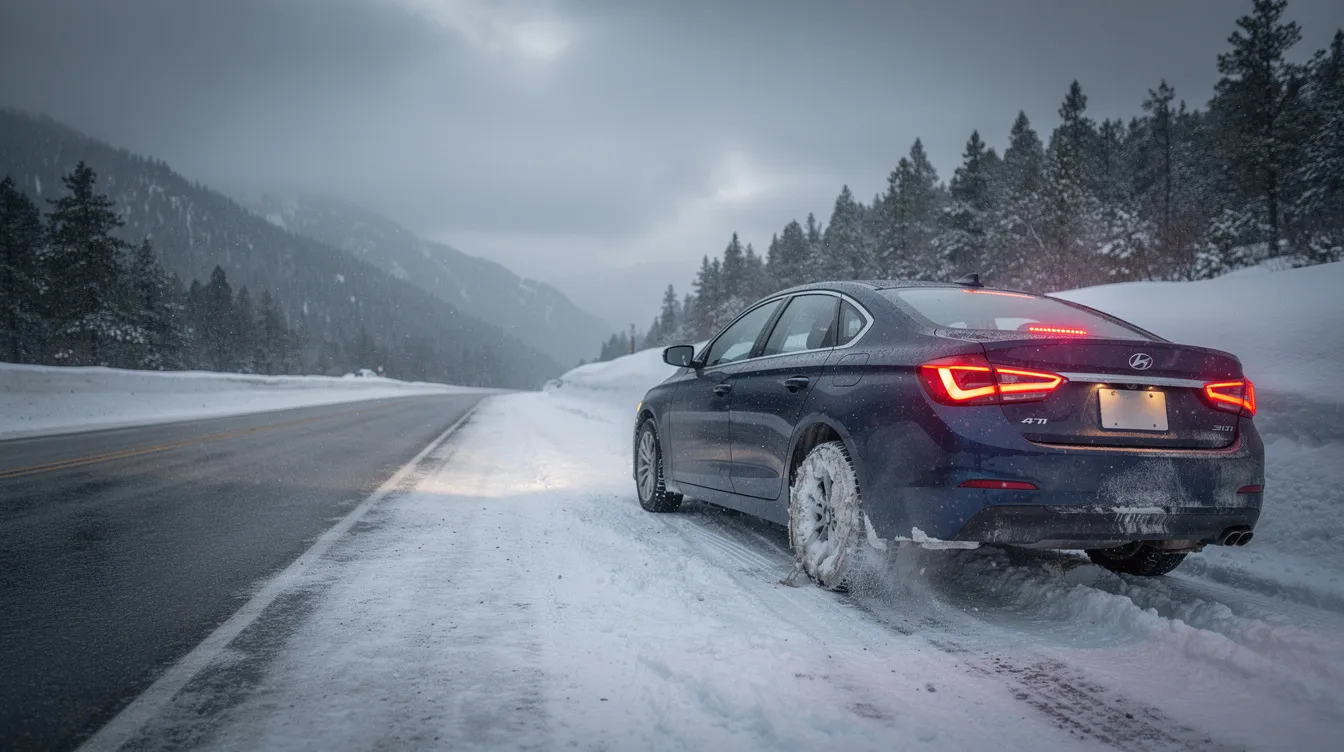
If you just hit a massive pothole, slid across black ice, or struck debris left in a travel lane, the next few hours matter more than you might realize. Your safety comes first-but what you do after the immediate danger passes can make or break a future claim.
Here's what to prioritize in the first 24–48 hours:
-
Get to safety. If you're on I-25, I-70, or any highway, move to the shoulder or a safe area if your vehicle is drivable. Turn on hazard lights.
-
Call the police to document the accident immediately. Request Colorado State Patrol or local law enforcement even if damage seems minor. A police report creates an official record of the hazard and conditions.
-
Obtain an accident report at the scene. Ask the responding officer for the report number and how to get a copy later.
-
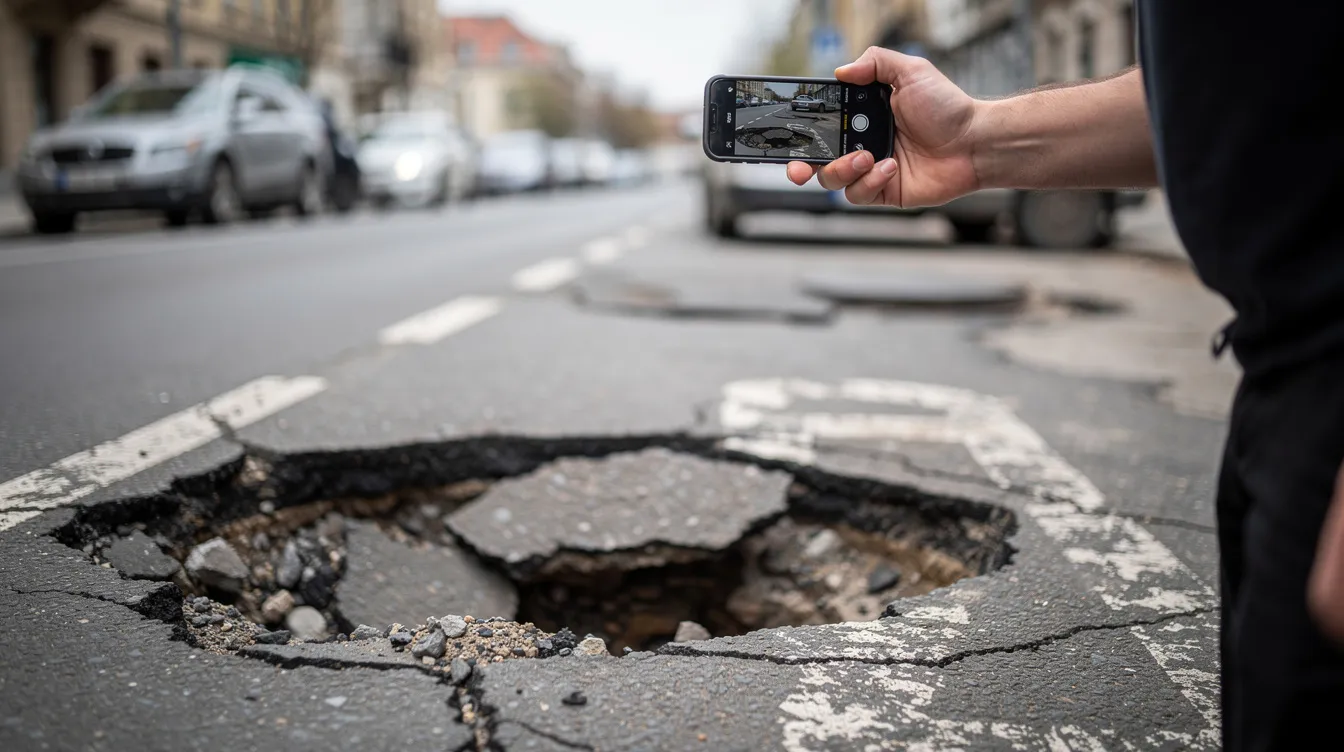
Take photos of the accident scene and road conditions. Capture the pothole, debris, missing sign, or ice patch from multiple angles. Include close-ups with something for scale (a shoe, a coin, a tire). Photograph your vehicle damage, skid marks, weather conditions, and any missing or damaged road features.
-
Seek medical attention immediately after the accident. Go to the ER or urgent care the same day, even if you feel "okay." Tell your provider the accident was caused by a specific road condition-this creates a medical record linking your injuries to the hazard.
-
Collect witness information. Get names, phone numbers, and license plates from anyone who saw the crash or the hazard. Note nearby businesses or homes along corridors like Highway 50 in Pueblo or Academy Boulevard in Colorado Springs that might have surveillance camera footage.
-
Don't repair or dispose of your vehicle yet. Damage patterns can help accident reconstruction experts prove how the road hazard caused the crash. Talk to an attorney before authorizing body work or scrapping the car.
Drivers should also check their vehicle maintenance before longer trips in Colorado-worn tires or bad suspension can make a road defect more dangerous, and defense teams will look for any contributing factor.
Talk With a Colorado Road Hazard Attorney Early
-
Road hazard cases against government entities have shorter deadlines than typical auto accident claims. Colorado law requires written notice of claim within 182 days-miss it, and your case may be gone forever.
-
If you were hurt by a pothole, icy road, missing guardrail, or construction zone hazard, call Johnston Law Firm at (719) 309-9484 to discuss your situation with Steve Johnston's team-even if you're still unsure who is at fault.
-
Message Johnston Law Firm Online right away so the firm can start preserving evidence, requesting maintenance records, and protecting your rights before deadlines pass.
Common Road Hazards on Colorado Roads That Lead to Crashes
Colorado's elevation changes, freeze-thaw cycles, and extreme weather put unusual stress on road surfaces. Add heavy traffic on aging infrastructure, and hazards develop quickly-sometimes faster than agencies can respond.
Surface hazards:
-
Potholes can lead to serious car accidents in Colorado, especially on urban streets where freeze-thaw cycles worsen road conditions year after year
-
Broken or crumbling shoulders on rural highways
-
Washboard gravel on unpaved county roads
-
Loose gravel and sand left over from winter plowing or chip-seal work
-
Unmarked pavement edges can cause vehicle accidents when drivers drift slightly off-center
-
Standing water that hides deep ruts or pavement failures
Mountain and rural hazards:
-
Mountainous regions in Colorado have steep grades, sharp curves, and sudden weather shifts that catch even experienced drivers off guard
-
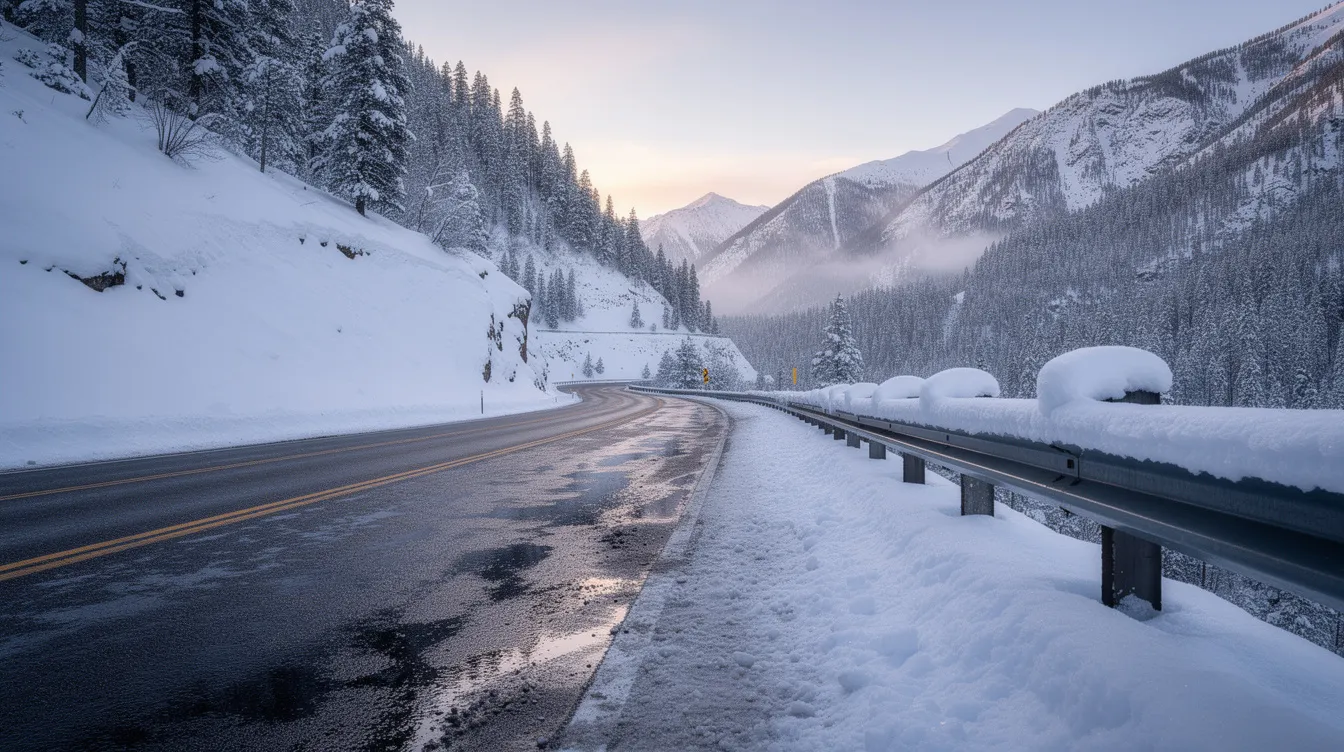
Black ice on shaded curves near communities like Woodland Park
-
Rockfall zones in canyons along US-50 or Highway 115
-
Unguarded drop-offs and road defects like missing guardrails increase accident risks on passes like Wolf Creek or La Veta
Work-zone dangers:
-
Missing "lane closed" signs, sudden lane drop-offs, and poorly marked detours
-
Loose construction debris left in travel lanes
-
High speeds in construction zones increase collision severity dramatically
Visibility hazards:
-
Faded lane markings and missing reflectors
-
Broken traffic signals and obscured stop signs at intersections
-
Inadequate signage at curves, exits, or merging areas
Weather and wildlife:
-
Snow, ice, and rapidly changing conditions create significant safety hazards across the state
-
Weather hazards like snow, ice, and black ice reduce traction and visibility
-
Icy conditions are common hazards in Colorado from October through April
-
Wildlife collisions present a major risk in Colorado, especially during dawn and dusk on rural stretches
Poor road conditions such as potholes and deep ruts can lead to loss of vehicle control. Roadway departures often lead to serious single-vehicle accidents-rollovers, ditch impacts, and collisions with fixed objects. Drivers should slow down in poor weather and maintain a safe following distance, but when the road surface itself is the problem, driver caution alone may not prevent a crash.
Who Is Responsible for Maintaining Colorado's Roads?
Liability often depends on who owned and maintained the specific stretch of road where the accident happened. This isn't always obvious, and getting it wrong can derail a claim.
-
CDOT typically maintains interstate highways (I-25, I-70), US routes (US-50, US-287, US-550), and major state highways
-
Counties maintain most rural roads, county highways, and some bridges outside city limits
-
Municipalities like Pueblo and Colorado Springs handle neighborhood streets, city arterials, and many bridges within their boundaries
-
Private parties may own and control subdivision streets, access roads, shopping center lots, and industrial park driveways
-
Private contractors often perform road work and snow removal under government contracts-their negligence can create hazards, and they are not protected by governmental immunity
Under the Colorado fault system, drivers are generally financially responsible for road hazard damages they cause. But when the hazard itself was created or left unaddressed by a government agency, contractor, or property owner, those parties may share or bear primary responsibility.
An attorney will determine ownership using crash reports, GIS maps, and right-of-way records-a step that's essential before sending any notice of claim.
Understanding the Colorado Governmental Immunity Act in Road Hazard Cases
Here's the basic rule: government entities generally cannot be sued under the Colorado Governmental Immunity Act (the CGIA, found at CRS 24-10-101 et seq.). The state, counties, and cities enjoy broad immunity from most lawsuits.
But there are exceptions-and one of the most important involves road conditions.
Immunity is waived for dangerous road conditions under CRS 24-10-106(1)(d). This means government entities can be liable for known dangerous road conditions on a public highway, road, or street when:
-
A dangerous condition of the road surface or safety features physically interfered with the movement of traffic
-
The condition created an unreasonable risk to public safety
-
The entity had actual or constructive notice of the hazard
-
The entity failed to act within a reasonable time
The Colorado Supreme Court clarified in Dennis v. City & County of Denver (2018) that not every deteriorated stretch of road qualifies. The injured person must show the risk was unreasonable and that the condition physically interfered with travel-a meaningful standard that requires solid evidence.
Claims against private contractors or a private property owner are not covered by the CGIA and follow standard negligence rules, which can actually be easier to prove in some situations.
Strict Deadlines: The 182-Day Notice and Other Time Limits
Road hazard cases against Colorado government entities have special notice requirements on top of the usual statute of limitations. Missing these deadlines is one of the most common-and most devastating-mistakes.
The 182-day written notice requirement:
-
You must deliver written notice to the correct government agency within 182 days of discovering your injury
-
The notice must include: your name and address, the date and location of the accident, a description of the dangerous condition, the name of any government employee involved (if known), your injuries, and the amount of damages claimed
-
Claims for road defects must follow this 182-day notice requirement-courts have held it jurisdictional, meaning there are almost no exceptions for late filing
-
Claims against government entities are subject to strict timelines that cannot be extended simply because injuries are severe or fault is clear
-
File a claim within 182 days for government entities-even one day late can permanently destroy your case
Important: Sending notice to the wrong entity (for example, notifying Pueblo when CDOT owns the road) can also result in dismissal. This is where an attorney's help matters-proper identification of the responsible government agency is critical.
The typical three-year statute of limitations for Colorado car accident injury claims (C.R.S. § 13-80-101) still applies separately. Meeting the 182-day notice does not replace the three-year deadline, and vice versa.
Proving a Road Hazard Accident Claim Under Colorado Law
Road hazard cases are evidence-heavy. They often turn on details the injured person may not even realize are important at the time of the crash.
To succeed, you generally must prove:
-
A dangerous condition existed on the road surface, shoulder, guardrail, or signage
-
The responsible entity had actual or constructive notice of the hazard before your accident
-
They failed to correct, repair, or warn within a reasonable time
-
That failure caused the accident and your injuries
Determining liability can involve multiple government entities, private contractors, and other drivers. Colorado's modified comparative negligence rule means an injured person can recover compensation as long as they are less than 50% at fault-but their award is reduced proportionally. If you're found 51% or more responsible, recovery is barred entirely.
Photographic evidence, witness testimony, maintenance records, complaint histories, and expert analysis often decide whether an immunity waiver applies and who ultimately pays.
Gathering Evidence After a Road Hazard Crash
Conditions on Colorado roads can change within hours-potholes get patched, debris gets cleared, ice melts. Preserving evidence early is absolutely critical.
What to gather and preserve:
-
Scene photos showing the hazard from multiple angles and distances, with close-ups that show scale
-
Video from dashcams, nearby businesses, CDOT cameras, and home security systems along corridors like Northern Avenue in Pueblo or Powers Boulevard in Colorado Springs
-
The official crash report number-request the full report from Colorado State Patrol or local police
-
Medical records, imaging studies (X-rays, MRIs), and treatment notes that tie your injuries to the crash
-
Employment records documenting time missed and lost income
-
The damaged vehicle itself-don't authorize repairs before an expert can inspect it
An attorney can send preservation letters to government agencies and contractors to prevent destruction of maintenance logs, inspection records, surveillance footage, and digital data that might otherwise be overwritten or discarded.
Maintenance Records, Prior Complaints, and Constructive Notice
Government entities are only liable for road defects if they knew-or reasonably should have known-about the hazard before your crash.
Actual notice means the entity received specific information about the defect: pothole complaints on a particular block, neighbor reports about a broken guardrail, or previous crash reports at the same curve.
Constructive notice applies when a defect was visible and existed long enough that the agency should have found it through normal inspections. Constructive notice requires a defect to exist for at least 90 days in many road-defect contexts, though this timeframe can vary depending on the facts and jurisdiction.
Maintenance records, inspection logs, and complaint databases obtained through Colorado Open Records Act (CORA) requests are the primary tools for proving notice. Johnston Law Firm can prepare targeted CORA requests and analyze maintenance histories to build a stronger case.
Negligence vs. Design: Why the Distinction Matters
Colorado law protects government entities from lawsuits that challenge high-level design or planning decisions. This is sometimes called "design immunity." But it does not protect day-to-day maintenance failures.
Protected design decisions:
-
How many lanes a highway should have
-
Speed-limit selections
-
The basic geometry of an intersection or interchange
Unprotected operational failures:
-
Failing to patch a large, known pothole for months
-
Leaving a drop-off unmarked after construction
-
Not replacing a missing stop sign or damaged guardrail in a reasonable timeframe
A skilled personal injury attorney will frame the claim as a failure to maintain or repair a dangerous physical condition-not a challenge to the road's design-to fit within the statutory exceptions that waive immunity.
Liability Disputes in Road Hazard Accidents
Insurance companies and government lawyers almost always try to shift blame to the driver. Expect arguments like these:
-
The driver was speeding or going too fast for conditions
-
Distracted driving is a leading cause of preventable accidents, and the driver was on their phone
-
The driver failed to adjust speed or following distance for weather
-
The hazard was "open and obvious" and the driver should have avoided it
These defenses aren't always wrong-aggressive driving and failure to wear seat belts are leading contributors to serious crashes, and Colorado's Hands-Free Law prohibits manual operation of mobile devices while driving. Alcohol, drugs, and fatigue contribute significantly to roadway fatalities in Colorado. Hands-free technology should be used to avoid distractions while driving.
But a defense argument doesn't erase liability. Under Colorado law, comparative negligence allows an injured person to still recover compensation as long as the road hazard was a meaningful cause of the crash and the driver was less than 50% at fault.
To stay safe, drivers should increase their following distance, especially in poor conditions. Drivers are expected to maintain a safe distance and control of their vehicles. Still, no amount of caution fully protects a driver from a deep, unmarked pothole or a collapsed road shoulder hidden by standing water.
An attorney counters blame-shifting with expert opinions, skid-mark analysis, and vehicle damage patterns showing that the hazard-not driver error-was the primary cause of the loss of control. In some cases, fault may be shared between a government entity, a private contractor, and one or more drivers, and careful fault allocation directly impacts total financial recovery.
When Private Property Owners and Contractors Are at Fault
Many serious crashes happen just off public roads-in shopping center access roads, gas station driveways, or active construction sites.
Examples of private-party liability:
-
A deep pothole at the entrance to a big-box store in Pueblo
-
An unmarked trench in a subdivision under construction
-
Gravel or debris spilled into the roadway by a paving contractor
These claims use standard negligence rules: proving the property owner or contractor knew or should have known about the hazard and failed to correct or warn. They're not subject to the same CGIA notice requirements, but they still have statutes of limitations and complex insurance issues that benefit from early legal representation.
How Road Hazard Accidents Differ From Typical Colorado Car Accidents
A standard "driver vs. driver" collision-like a rear-end crash at a stoplight-typically involves two insurance companies. Road hazard cases are different:
-
They often involve multiple defendants: a government agency, private contractors, a property owner, and sometimes multiple drivers in heavy traffic
-
They may require more experts and technical evidence, including roadway engineers and accident reconstructionists
-
Insurance coverage can come from several sources: your own auto policy, another driver's policy, and liability policies covering government entities and private businesses
-
Deadlines, proof requirements, and legal strategy differ significantly when a claim involves the governmental immunity act and public-entity defendants
-
State highways and high risk corridors like I-25 through northern Colorado or I-70 through the mountains see crashes that can involve motor vehicle pile-ups when a single road hazard triggers chain reactions at high speed
Injuries and Losses Commonly Seen in Road Hazard Crashes
Suddenly hitting a pothole, drop-off, or icy patch can cause rollovers, head-on impacts, and high-energy collisions that leave lasting damage. The physical and emotional toll of these crashes is often far greater than people expect.
Common physical injuries:
-
Whiplash and cervical spine injuries
-
Herniated discs and lumbar fractures
-
Broken bones in the wrist, arm, or leg from bracing on impact
-
Knee and shoulder injuries
-
Traumatic brain injuries from striking the steering wheel, window, or roof during a rollover
-
Internal organ damage from seatbelt loading or crush forces
Motorcyclists and cyclists face even greater risk-loose gravel, grooves, and potholes can throw a rider instantly, causing more severe injuries including road rash, spinal cord damage, and open fractures.
Recoverable damages include:
-
Emergency and ongoing medical expenses, including surgery, physical therapy, and prescription costs
-
Lost wages and reduced future earning capacity
-
Vehicle damage, towing, and rental car costs
-
Pain, suffering, and emotional toll
-
Loss of enjoyment of life and impacts on family relationships
An injured person who suffered injuries in a road hazard crash deserves a thorough assessment of every category of harm-not just the bills that have arrived so far.
Unsure Who's At Fault? Get a Case Review Focused on Liability
-
If an insurance adjuster is blaming you, or you suspect a road defect or poor road maintenance played a role in your crash, share your details with Johnston Law Firm for a focused liability analysis.
-
Call (719) 309-9484 to discuss how Colorado law on dangerous road conditions, maintenance obligations, and comparative fault applies to your specific situation.
-
Contact Johnston Law Firm Online to upload photos, crash reports, and insurance correspondence so the firm can begin analyzing liability disputes quickly.
What Compensation May Be Available After a Colorado Road Hazard Accident?
Every case is different, but here are the main categories of damages Colorado law allows:
Economic damages:
-
Past and future medical expenses (ER, surgery, imaging, physical therapy, prescriptions, medical equipment)
-
Property damage, towing, and rental vehicle costs
-
Home or vehicle modifications for disability
-
Documented lost income and reduced future earning capacity
Non-economic damages:
-
Physical pain and suffering
-
Emotional distress and mental health impacts
-
Loss of enjoyment of life
-
Impact of long-term injuries on daily activities, hobbies, and relationships
Claims against government entities are subject to statutory damage caps that may limit what you can recover. Claims against private defendants may face different-and often higher-limits on non-economic damages.
An experienced attorney evaluates all potential sources of fair compensation, including underinsured motorist coverage from your own policy if another driver also shares fault.
How Colorado Damage Caps Can Affect Road Hazard Claims
Colorado law limits how much an individual can recover from a single government entity in many dangerous condition cases. Recovery against a government entity is capped at $387,000 per individual. There are also separate per-occurrence caps that apply when multiple people are injured in the same crash.
If more than one government entity shares fault-or if both government and private defendants are responsible-different caps and policy limits may apply. This can actually increase total available compensation when fault is properly allocated.
For claims against private defendants, the general non-economic damage cap rose to $1,500,000 effective January 2025 under recent Colorado legislation, with wrongful death caps at $2,125,000.
Accurate fault allocation and complete investigation matter enormously. Leaving a responsible party out of the claim by mistake can cost thousands-or hundreds of thousands-of dollars.
Why Early Legal Help Matters in Road Hazard Cases
Road hazards are often repaired quickly after a serious crash. Potholes get filled, signs go up, guardrails get replaced-sometimes within days. That makes it harder to prove what the condition looked like when the accident happened.
Reasons to involve an attorney early:
-
Protecting surveillance footage before businesses overwrite their recordings (most systems cycle every 7–30 days)
-
Securing witness statements while memories are fresh
-
Requesting maintenance records before routine document purges
-
Meeting the 182-day CGIA notice deadline-the single most common reason otherwise strong cases are lost
-
Handling communications with multiple insurers and government adjusters so you can focus on medical recovery
How Johnston Law Firm Investigates Road Hazard Accidents
Johnston Law Firm uses a methodical approach tailored to Colorado roads and weather patterns. Steve Johnston and his team understand how southern Colorado's terrain, altitude, and seasonal conditions create specific hazard patterns.
Investigation steps include:
-
On-scene visits when possible, with detailed photo documentation and GPS mapping of the exact location (mile markers, landmarks, cross-streets)
-
Obtaining crash reports, 911 recordings, and any available body-cam or dash-cam footage from law enforcement
-
Working with accident reconstruction experts, roadway safety engineers, or weather specialists when needed to strengthen causation arguments
-
Submitting CORA requests to CDOT, counties, and cities for maintenance records, prior complaints, and inspection logs for the specific stretch of road
-
Reviewing clients' medical records and employment records to document the full impact of serious injuries on work, daily activities, and family life
This kind of thorough investigation is what separates complex cases that settle for fair value from those that get dismissed or undervalued.
Negotiating With Insurance Companies and Government Entities
Many injured people first hear from an insurance adjuster before they even realize a road hazard may have contributed to their crash. Adjusters are trained to minimize liability-here's what to expect:
-
Downplaying the role of the road condition and emphasizing driver behavior
-
Suggesting you "should have slowed down more" or "should have seen it"
-
Pushing for a quick, low settlement before your full medical costs and lost income are known
-
Requesting recorded statements that can be used against you later
Claims involving government entities often require formal written notice, internal claim reviews, and sometimes hearings before any meaningful settlement discussion begins.
Johnston Law Firm prepares evidence-backed settlement demands that clearly explain the dangerous condition, the applicable Colorado statutes, and the client's full damages. If negotiations stall, the firm is prepared to file suit and pursue the claim through Colorado courts.
Protect Your Injury Claim and Future Compensation
-
Don't wait until you've given multiple recorded statements to an adjuster. Early legal advice can prevent damaging mistakes, missed deadlines, and undervalued settlement offers in road hazard and auto accident cases.
-
If you're dealing with medical bills, lost income, and ongoing pain after hitting a road hazard, call Johnston Law Firm at (719) 309-9484 for a free consultation about your claim.
-
Request Your Free Consultation Online so the firm can evaluate insurance coverage, liability issues, and strategies for pursuing maximum compensation.
Serving Pueblo, Colorado Springs, and Communities Across Southern Colorado
Johnston Law Firm is a Pueblo-based practice representing injured people throughout Colorado, with deep experience in southern Colorado counties where road hazards are especially common.
Areas the firm regularly serves: Pueblo, Pueblo West, Colorado Springs, and counties including El Paso County, Fremont County, Huerfano County, Otero County, Crowley County, Las Animas County, and Custer County-plus communities across northern Colorado, Fort Collins, Grand Junction, and beyond.
Typical local crash settings include:
-
Deteriorating surfaces and hazards on Highway 50 through Pueblo
-
I-25 between Pueblo and Colorado Springs, where heavy traffic and construction create shifting conditions
-
Rural county roads near farming and ranching communities in Otero and Las Animas counties
-
Steep grades and sharp curves on mountain passes west of Pueblo
Local familiarity with these Colorado road conditions, weather patterns, and road maintenance practices helps the firm spot issues that out-of-state adjusters or generic experts might miss.
About Attorney Steve Johnston and Johnston Law Firm, LLC
Steve Johnston is a Pueblo-based Colorado trial lawyer with more than two decades of experience representing injured Coloradans. He's a personal injury attorney and personal injury lawyer who also handles automobile accidents, workers' compensation, Social Security disability, criminal defense, and estate planning.
Steve has litigated hundreds of cases before Colorado administrative courts, state district courts, and appellate courts-giving him practical insight into how judges and agencies evaluate evidence and legal arguments in personal injury law cases.
The firm's approach is straightforward: clear communication, practical advice, and a legal strategy tailored to each client's situation. Johnston Law Firm has a proven track record of representing people against insurance companies and government entities, and the firm treats every client as an individual, not a file number.
How Johnston Law Firm Charges for Road Hazard and Auto Accident Cases
Johnston Law Firm typically handles personal injury and car accident cases on a contingency-fee basis. That means no attorney fee unless money is recovered for you.
-
Initial consultations are free
-
Fee arrangements and case-specific costs are explained in writing before you decide to move forward
-
Contingency fees allow injured people to pursue claims against government entities and large insurers without paying hourly legal fees upfront
-
The firm will answer questions about fees, costs, and potential net recovery after medical liens or subrogation claims are resolved
Working With Johnston Law Firm: What Clients Can Expect
-
Initial contact: Call or reach out online for a free case evaluation
-
Free consultation: Meet with Steve Johnston or his team to discuss your crash, the road condition, your injuries, and your goals
-
Honest assessment: The firm provides a clear explanation of strengths, weaknesses, and realistic expectations-no false promises
-
Engagement: If both sides agree to move forward, a written engagement agreement is signed and the firm immediately begins evidence preservation, CGIA notice preparation, and insurance communications
-
Regular updates: Clients receive ongoing communication, can ask questions anytime, and are prepared in advance for recorded statements, medical exams, mediations, or hearings
-
Support through recovery: The firm handles the legal burden so you can focus on healing, managing your family, and getting back to work
Most clients come to the firm during one of the hardest periods of their lives. Johnston Law Firm treats that reality with respect.
When a Road Hazard Accident Overlaps With Workers' Compensation
Some road hazard crashes happen while people are driving for work-delivering goods, traveling between job sites, or operating a company vehicle. If that's your situation, you may have two separate claims:
-
A Colorado workers' compensation claim against your employer's insurer
-
A third-party personal injury claim against a negligent government entity, contractor, or driver
Johnston Law Firm handles both workers' compensation and personal injury matters, allowing coordinated strategy to maximize combined recovery and manage liens. Careful planning is needed to handle offsets, subrogation, and settlement timing so the worker doesn't unintentionally reduce their total compensation.
What To Do If a Loved One Is Killed in a Road Hazard Accident
Losing a family member in a crash caused by a dangerous road condition is devastating. No legal process can undo that loss-but civil claims can provide financial stability and accountability.
Certain surviving family members may have wrongful death and survival claims under Colorado law when negligence by a government entity, contractor, or driver contributed to the fatal accident.
Key steps for families:
-
Preserve the vehicle and all physical evidence
-
Obtain the coroner's report and full crash report
-
Do not discuss the case with insurance adjusters before speaking with counsel
-
Be aware that all CGIA notice deadlines and traffic laws requirements still apply in fatal cases, making early legal guidance urgent
Common Mistakes to Avoid After a Road Hazard Crash
These errors hurt Colorado road hazard and auto accident cases more than almost anything else:
-
Failing to photograph the hazard before it's repaired or conditions change
-
Assuming the government will do the right thing without a formal legal claim
-
Missing the 182-day notice deadline for claims against public entities
-
Giving a recorded statement to an insurance adjuster without legal advice
-
Repairing or scrapping the vehicle before an expert inspects it-this erases vital physical evidence about how the accident caused the damage
-
Accepting the first settlement offer before understanding the full scope of injuries, future medical needs, and lost wages
-
Not seeking medical attention promptly, creating gaps in your medical records that insurers use to argue your injuries aren't related to the crash
Even if you're unsure about pursuing a full claim, consulting with a lawyer helps you avoid these pitfalls.
How Long Does a Colorado Road Hazard Case Usually Take?
Timelines vary based on injury severity, the number of responsible parties, and whether litigation is necessary.
Typical phases:
-
Investigation, evidence gathering, and CGIA notice filing
-
Medical treatment and recovery-most attorneys won't settle until your doctors understand your long-term prognosis
-
Negotiation with insurers and government entities
-
If needed, filing suit and moving toward trial or mediation
Cases involving severe injuries and government defendants often take longer due to procedural steps, damage cap analysis, and the need to understand future medical costs before settlement makes sense. Johnston Law Firm discusses realistic timelines during the initial consultation and provides updates if circumstances change.
Internal Resources: Related Johnston Law Firm Practice Areas
For readers wanting deeper information:
-
Colorado car accident lawyer – broader auto accident information
-
Pueblo car accident lawyer – local accident guidance
-
Personal injury practice – general injury law principles
-
Workers' compensation – for crashes during work-related driving
-
Client testimonials and case results – the firm's experience and client service approach
Every Road Hazard Case Is Unique: Get Answers About Yours
-
Online articles give you a foundation, but they can't replace advice about your specific facts-the road, the hazard, the weather, the injuries, and the responsible parties all matter.
-
If you're facing medical bills, time off work, property damage, and confusion about whether a pothole, ice patch, or missing guardrail played a role, reach out for tailored guidance.
-
Call (719) 309-9484 to speak with Johnston Law Firm about your Colorado road hazard or auto accident.
-
Speak With Steve Johnston's Team Online to share documents and questions so the firm can evaluate potential claims under Colorado law.
Frequently Asked Questions About Colorado Road Hazard Accidents
These FAQs address questions not fully covered above.
Can I still recover compensation if I was driving too fast for conditions when I hit a road hazard?
Colorado's modified comparative negligence rule allows you to recover compensation as long as you are less than 50% at fault. Your award is reduced by your percentage of responsibility. So if a court finds you 30% at fault for speed and the government entity 70% at fault for an unmarked, deep pothole, you'd recover 70% of your damages.
Don't assume you have no case just because a police officer noted "speed too fast for conditions" in the report. A severe defect like a collapsed road shoulder or missing guardrail may still make the government agency or contractor largely responsible. Colorado drivers should always adjust speed for conditions, but that doesn't eliminate another party's duty to maintain safe roads.
What if the road was fixed right after my accident-do I still have a case?
Repairs after an accident don't automatically erase liability, but they make proving your case harder-which is why early photos and witness statements are so valuable. Attorneys can use maintenance records, prior complaints, and the official record of inspections to show the dangerous condition existed before your crash and that the entity had notice.
If you noticed post-crash repairs, tell your attorney right away. That information guides where to look for records and can actually support your claim by showing the entity acknowledged the problem.
Does my own car insurance help if the at-fault party is a government entity?
Depending on your policy, medical payments coverage (MedPay) and uninsured/underinsured motorist (UM/UIM) coverage may help-especially since damage caps limit what you can recover from a public entity. Using these coverages typically doesn't raise premiums the way an at-fault claim would, but policy language controls.
Have an attorney review your policy documents before accepting any payments that might affect later claims against responsible parties.
How much does it cost to have Johnston Law Firm look at my road hazard case?
Initial consultations are free. Johnston Law Firm generally works on a contingency-fee basis for injury claims-no upfront hourly billing and no fee unless the firm recovers money for you. There's no obligation to hire the firm after the consultation. Specific fee details are discussed and confirmed in writing before any legal representation begins.
Do I have to go to court if I bring a road hazard claim in Colorado?
Many cases settle without a trial through negotiation or mediation. But complex road hazard claims-particularly those against government entities-sometimes require filing a lawsuit to obtain fair value. Even after a lawsuit is filed, settlement discussions often continue and can resolve the case before trial.
Johnston Law Firm prepares every case as though it may go to court. That level of preparation often strengthens settlement negotiations and leads to better outcomes without the need for a full trial.
Talk to Johnston Law Firm About Your Colorado Road Hazard Accident
Road hazard accidents in Colorado involve unique laws, strict deadlines, and complex evidence issues that most people shouldn't try to navigate without experienced legal representation. Whether you were hurt in Pueblo, Colorado Springs, or anywhere else in the state, Johnston Law Firm can give you a clear, honest explanation of your options.
Call Johnston Law Firm at (719) 309-9484 to speak directly with a Colorado attorney who understands how to handle road hazard claims, establish liability against government entities and private contractors, and fight for the compensation you deserve.
You can also Contact Johnston Law Firm Online today so the firm can begin preserving evidence, meeting Colorado notice deadlines, and building the strongest possible case for your recovery.