Motorcycle Accident Colorado – Severe Injury Claims And Insurance Challenges
A serious motorcycle accident in Colorado can change everything in seconds. In Colorado, riders face open highways, mountain roads, rural hazards, distracted drivers, and insurance companies that often move fast to blame the motorcyclist.
This guide explains the most common causes of motorcycle accidents in Colorado, the types of severe injuries riders face, how insurance companies handle these claims, and what steps to take after a crash. It is designed for injured riders, their families, and anyone seeking to understand their legal rights and options after a motorcycle accident in Colorado.
Key Takeaways
-
Colorado recorded an all-time high of 165 motorcycle fatalities, representing a 57% increase over a decade. Motorcycles account for over 20% of annual roadway deaths in Colorado despite being only 3% of registered vehicles.
-
motorcycle accident victims often face bias from insurance companies, which may assume the rider was at fault due to stereotypes about motorcyclists being reckless or dangerous.
-
Colorado’s modified comparative negligence rule can reduce or bar recovery. Under Colorado’s modified comparative negligence rule, an injured motorcyclist can recover compensation as long as they are less than 50% at fault for the accident; if they are 50% or more at fault, they cannot recover any damages.
-
Colorado’s motorcycle laws only require riders under 18 to wear a helmet, but health officials recommend helmets for all riders.
-
If you were injured in a motorcycle accident, call Steve Johnston at (719) 309-9484 or message us online for a free consultation. Johnston Law Firm, LLC handles personal injury and wrongful death motorcycle cases with no upfront attorney fees.
Motorcycle Accidents In Colorado: Why Riders Face Severe Injuries And Tough Claims
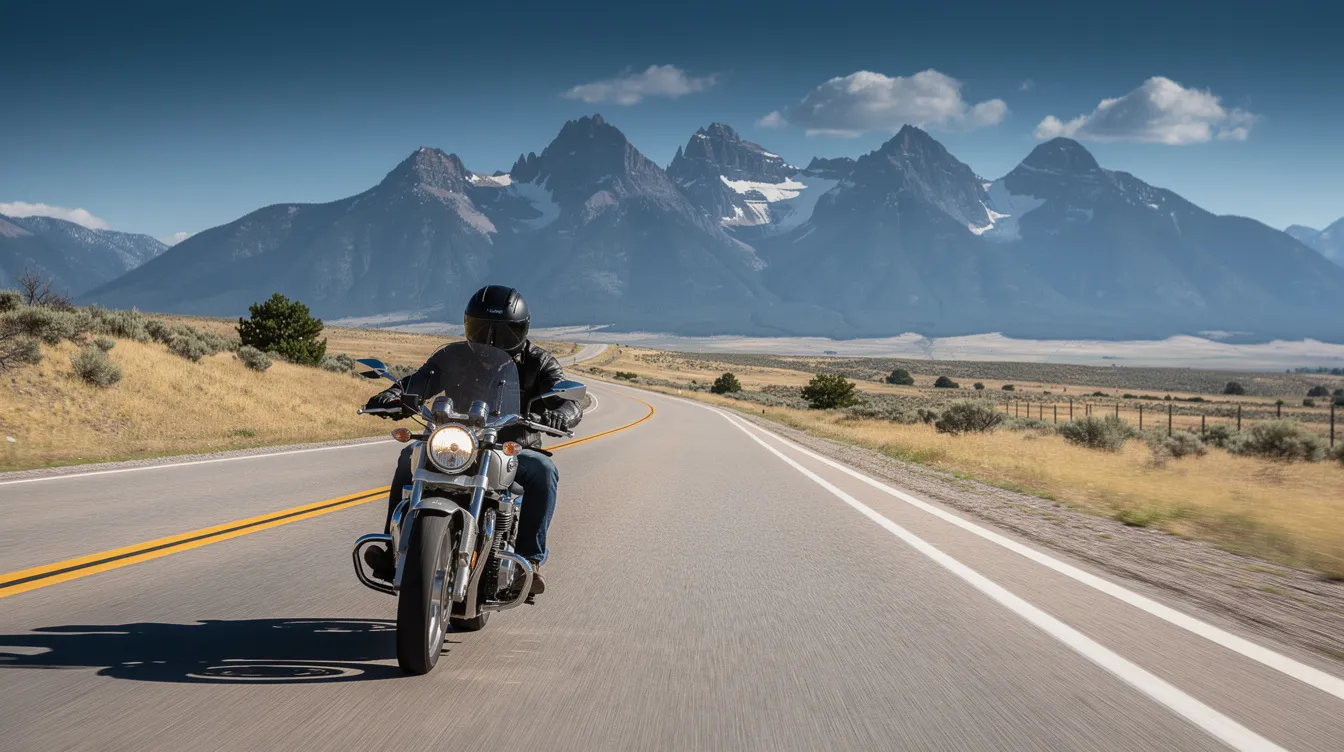
Colorado is a popular place for motorcycle riders, from I-25 and I-70 to US-50 and the scenic roads around Pueblo, Cañon City, La Junta, and the San Isabel region. But a single mistake by the other driver can cause a life-altering colorado motorcycle accident.
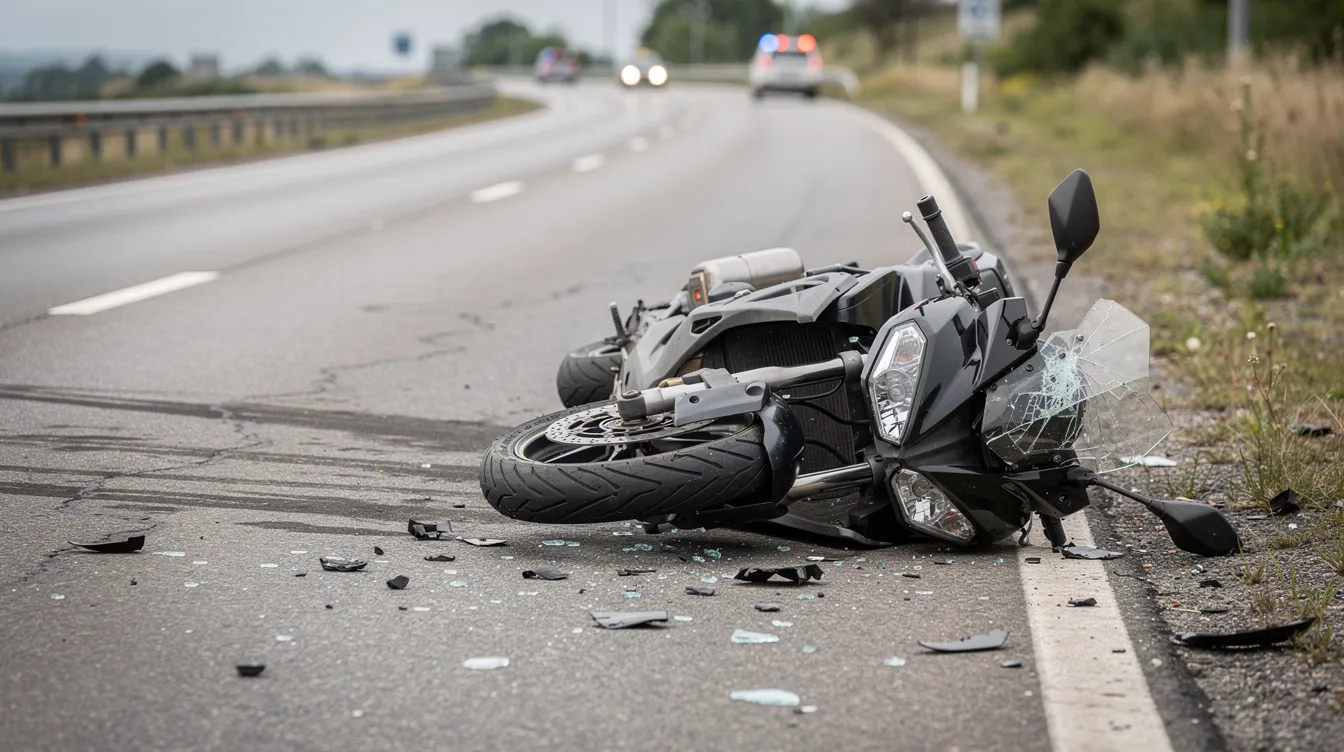
Unlike people in passenger vehicles, riders do not have airbags, seatbelts, or a steel frame around them. That is why motorcycle accidents in colorado often produce serious injuries, severe injuries, catastrophic injuries, and wrongful death even when the impact happens at moderate speed.
Common real-world crashes include:
-
A driver turning left in front of a motorcycle near an intersection in Pueblo.
-
A distracted driver drifting into a rider’s lane on I-25 near Denver.
-
A pickup following too closely behind a motorcycle on Highway 50 in Otero County.
-
A rural motorcycle collision caused by loose gravel, poor lighting, or animals in the roadway.
Approximately 58% of fatal motorcycle crashes in Colorado occur during the peak summer months of June to September. According to Colorado safety reporting, speeding is the most commonly identified factor contributing to fatal motorcycle collisions in Colorado, and impaired driving contributes to 20% to 26% of motorcycle fatalities in Colorado annually.
Colorado motorcycle accident cases are often more complicated than ordinary car wrecks because insurers dispute fault, undervalue motorcycle accident injuries, and argue that injured riders “accepted the risk” by riding. If you were injured in a motorcycle accident anywhere in Colorado, call (719) 309-9484 or send us a message online before speaking with an adjuster.
Common Causes Of Colorado Motorcycle Accidents And How Fault Is Disputed
Most Colorado motorcycle accidents are not caused by reckless riding. Many motorcycle accidents are caused by negligent drivers who fail to see motorcycles, misjudge speed, follow too closely, or drive while distracted.
Some of the common causes of motorcycle accidents include:
-
Left-turn crashes: Left-turn accidents are the most common type of motorcycle collision, occurring when a vehicle turns left in front of an oncoming motorcycle, often due to the driver failing to see the motorcycle or misjudging its speed and distance.
-
Failure to yield: Failure to yield at intersections is a significant cause of motorcycle accidents in Colorado as passenger vehicles frequently overlook motorcyclists.
-
Distracted driving: Distracted driving, including texting and eating, significantly contributes to motorcycle accidents, as these distractions prevent drivers from noticing motorcycles on the road.
-
Impaired driving: Impaired driving, whether due to alcohol, drugs, or fatigue, remains a significant cause of motorcycle crashes in Colorado.
-
Unsafe lane changes: Drivers on I-25, I-70, and urban streets may fail to check blind spots before moving into a rider’s lane.
-
Speeding and reckless driving: Motorcycle accidents in Colorado are often caused by a combination of factors, including reckless driving, speeding, and failure to yield.
Environmental hazards such as loose gravel, uneven pavement, and wildlife pose serious risks for motorcyclists in Colorado. Road hazards such as potholes, gravel, and debris can cause motorcyclists to lose control, contributing to accidents, especially in mountainous areas where conditions can change rapidly. These issues are especially important in Custer, Huerfano, Las Animas, Fremont, Crowley, and Otero Counties.
When a crash involves a dangerous road, construction zone, missing sign, or negligent public employee, the case may involve a government entity or contractor. In Colorado, the statute of limitations for personal injury claims arising from a motorcycle accident is three years from the date of the crash, but this can vary if a government entity is involved, potentially reducing the time to as little as 180 days.
Police reports sometimes repeat what the at fault driver says at the accident scene, such as “the motorcycle came out of nowhere.” An experienced motorcycle accident attorney can challenge those assumptions using witness statements, photos, skid marks, vehicle damage, video, phone records, and accident reconstruction experts.
Severe Injuries In Colorado Motorcycle Crashes
Motorcycle riders are far more likely to suffer catastrophic injuries than occupants in enclosed vehicles. These injuries often drive the value and complexity of colorado motorcycle accident claims because the claim must account for today’s losses and tomorrow’s medical needs.
Common motorcycle accident injuries include:
|
Injury type |
Why it matters in a claim |
|---|---|
|
traumatic brain injuries |
Motorcycle accidents often result in traumatic brain injuries (TBIs), which can range from mild concussions to severe brain damage, leading to long-term cognitive and emotional impairments. |
|
spinal cord injuries |
Spinal cord injuries are common in motorcycle accidents and can lead to partial or complete paralysis, requiring extensive medical treatment and rehabilitation. |
|
broken bones |
Broken bones are frequently sustained in motorcycle accidents due to the blunt force trauma from impacts, often requiring multiple surgeries and long recovery periods. |
|
road rash |
Road rash, a common injury in motorcycle accidents, occurs when a rider slides across the pavement, resulting in skin abrasions that can be severe and require skin grafts. |
|
internal injuries |
Internal injuries, such as damage to organs or internal bleeding, are often a result of motorcycle crashes and may not be immediately apparent, necessitating prompt medical attention. |
|
Other common injuries include facial fractures, scarring, disfigurement, amputations, shoulder injuries, hip injuries, rib fractures, and psychological trauma such as PTSD, anxiety, depression, and emotional distress. Serious motorcycle injuries may require surgery, long-term rehabilitation, assistive devices, home modifications, or permanent work restrictions. |
|
Compensation for motorcycle accident injuries can be substantial due to the severity of injuries often sustained, which may require extensive medical treatment, rehabilitation, and long-term care. Johnston Law Firm understands these long-term consequences through Steve Johnston’s work in personal injury, automobile accidents, workers’ compensation, and Social Security disability law.
Colorado Motorcycle Laws That Can Affect Your Claim
Understanding colorado motorcycle laws is critical when insurance companies argue that the rider violated a rule or caused the crash. Nearly half of operators involved in fatal motorcycle crashes in Colorado did not possess a valid motorcycle endorsement.
A motorcycle endorsement is a special designation on a driver's license that legally permits the operation of a motorcycle in Colorado.
Important Colorado motorcycle rules include:
-
Helmet rules: In Colorado, riders and passengers aged 18 and older are not required to wear helmets, while those under 18 must wear a DOT-approved helmet when the motorcycle is in motion.
-
Helmet arguments: On average, 44% to 49% of motorcyclists killed in Colorado were not wearing a helmet. Even though Colorado does not require adults to wear helmets, insurance companies may use a rider’s decision not to wear one as a defense to reduce compensation claims, arguing that injuries would have been less severe with a helmet.
-
Eye protection: Colorado law mandates that all motorcyclists must wear proper eye protection, such as goggles or glasses made with safety glass or shatterproof plastic lenses; a windshield does not qualify as legal eye protection.
-
Lane rules: Lane splitting is illegal in Colorado, but a new lane filtering law allows motorcycles to pass between vehicles that are stopped on the roadway, effective from August 7, 2024.
-
Insurance: Colorado requires motorcyclists to carry minimum liability insurance of $25,000 per person and $50,000 per accident for bodily injury, plus $15,000 for property damage (25/50/15).
Those minimum limits are often far too low in motorcycle accident cases involving spinal cord injuries, traumatic brain injuries, long hospitalizations, or fatal motorcycle accidents. A knowledgeable colorado motorcycle accident lawyer can also push back when an insurer unfairly inflates the rider’s fault to reduce or deny payment.
Insurance Challenges After A Colorado Motorcycle Accident
Serious motorcycle accident claims frequently become insurance battles over fault, coverage limits, and the true value of life-changing injuries. Insurance companies often treat motorcycle accident claims differently than those involving cars, frequently to the detriment of the motorcyclist.
Common tactics insurance companies use include:
-
Claiming the rider was speeding.
-
Saying the rider was hard to see.
-
Focusing on helmet or clothing choices instead of the other driver’s negligence.
-
Arguing that injured motorcyclists “accepted the risk.”
-
Offering a fast motorcycle accident settlement before the full medical picture is known.
Insurance adjusters may have built-in biases against motorcyclists, often assuming they were speeding or being reckless, which can affect liability assessments and claim values. Motorcycle accident victims frequently receive lowball settlement offers from insurance companies, which may not account for the full extent of their damages, including future medical needs and lost earning capacity.
Coverage may come from several sources:
-
The primary liability policy carried by the at fault driver.
-
The rider’s uninsured or underinsured motorist coverage.
-
The rider’s own underinsured motorist coverage if the other driver lacks enough insurance.
-
MedPay coverage, if available.
-
Health insurance, which may later assert reimbursement or subrogation rights.
Motorcycle accidents in Colorado can involve complex insurance scenarios, and individuals are recommended to seek a professional medical evaluation after a crash. After a motorcycle accident in Denver, it is also important to take prompt legal steps before speaking extensively with insurers. A denver motorcycle accident lawyer, denver motorcycle accident attorney, or Pueblo-based attorney experienced in Colorado motorcycle accident cases can identify available policies, negotiate liens, and pursue fair compensation.
Before giving a recorded statement or signing insurance documents, call Johnston Law Firm at (719) 309-9484 or contact us online . The sooner a legal team is involved, the easier it may be to protect evidence and prevent the insurer from controlling the story.
Compensation Available In Colorado Motorcycle Accident Cases
Motorcycle accident victims in Colorado can recover compensation for both economic and non-economic damages, which include medical expenses, lost wages, pain and suffering, and emotional distress. The amount available depends on the evidence, insurance coverage, fault disputes, injuries, and long-term impact on the rider’s life.
Economic damages may include:
-
Ambulance and emergency room charges.
-
Hospital bills and surgery.
-
Follow-up medical treatment.
-
Rehabilitation, therapy, and medications.
-
Medical equipment and in-home assistance.
-
Past and future lost wages.
-
Reduced earning capacity.
-
Travel costs for treatment.
Non-economic damages may include pain and suffering, loss of enjoyment of life, scarring, disfigurement, emotional distress, and loss of consortium in severe injury cases. In extreme cases involving drunk driving, high-speed reckless conduct, or intentional road rage, Colorado law may also allow a personal injury lawsuit to include exemplary damages.
Wrongful death claims may be available to eligible family members after fatal motorcycle accidents. Damages may include funeral expenses, lost financial support, loss of companionship, and grief-related losses. Because motorcycle accident fatalities often leave families facing both emotional and financial devastation, early legal guidance matters.
Every colorado motorcycle accident case is different. Johnston Law Firm provides honest, fact-specific guidance about whether a settlement offer reflects the true impact of serious injuries, future care, and the losses accident victims are likely to face.
How Johnston Law Firm, LLC Helps Injured Riders And Families
Johnston Law Firm, LLC is based in Pueblo and represents motorcycle accident clients throughout Colorado, including Denver, Colorado Springs, Otero County, Fremont County, Custer County, Huerfano County, Las Animas County, and Crowley County.
Steve Johnston helps injured riders and families by:
-
Investigating the motorcycle crash quickly.
-
Reviewing police reports and witness statements.
-
Preserving motorcycle, helmet, clothing, and vehicle evidence.
-
Working with accident reconstruction experts when needed.
-
Gathering medical records, bills, wage evidence, and expert opinions.
-
Negotiating with insurance companies.
-
Preparing the case for litigation when settlement is not fair.
Steve Johnston’s six key practice groups are workers’ compensation, personal injury, automobile accidents, estate planning, criminal law, and Social Security law. That range matters because a rider injured in a motorcycle crash may also face work limitations, disability applications, criminal traffic citations, estate issues, or long-term income loss.
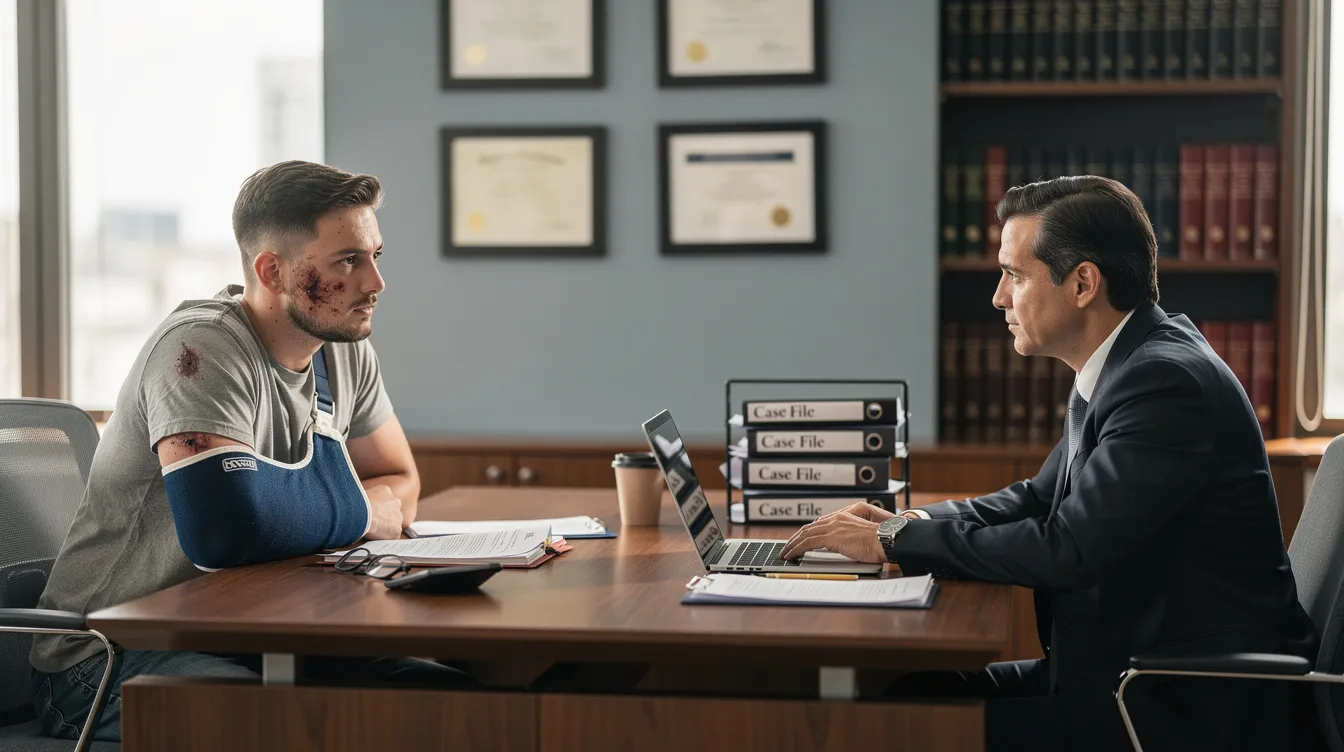
Hiring an experienced motorcycle accident attorney can help victims navigate the complexities of filing claims, dealing with insurance companies, and ensuring they receive fair compensation for their injuries and losses, and Johnston Law Firm’s motorcycle accident attorneys have experience handling these claims for injured riders across Colorado. If you are looking for motorcycle accident lawyers, accident lawyers, experienced personal injury attorneys, an experienced motorcycle accident lawyer, or a colorado motorcycle accident lawyer who understands Pueblo and rural Colorado, Johnston Law Firm can help.
Personal injury and wrongful death motorcycle cases are typically handled on a contingency-fee basis. That means no attorney fee unless the firm recovers compensation for you.
To speak with Steve Johnston, call (719) 309-9484 or use the firm’s online contact form . The consultation is free.
What To Do After A Motorcycle Accident In Colorado
The steps taken after a motorcycle accident can affect both medical recovery and the strength of a future motorcycle injury claim. If you are able, act carefully and document as much as possible.
Here is what to do:
-
Call 911. Get emergency help and make sure law enforcement responds.
-
Get medical care. Do not assume you are fine because adrenaline can hide serious injuries.
-
Wait for the report. Police reports often become important evidence in motorcycle claims.
-
Document the accident scene. Take photos of vehicles, skid marks, debris, weather, road conditions, traffic signals, visible injuries, and the motorcycle.
-
Get witness information. Names, phone numbers, and short statements can be important later.
-
Do not admit fault. Fault is often more complicated than it appears immediately after a crash.
-
Do not give a recorded statement too soon. The other driver’s insurer is not there to protect you.
-
Save evidence. Keep the helmet, clothing, damaged bike parts, medical paperwork, and repair estimates.
-
Call a lawyer before accepting money. A quick offer may not include future surgeries, therapy, lost income, or disability.
Prompt follow-up medical care is especially important because head injuries, internal injuries, and spinal injuries may not be obvious at first. Gaps in treatment are often used by insurance companies to argue that the motorcycle accident injuries were not serious or were caused by something else.
If you need to file a motorcycle accident claim or you were injured in a motorcycle crash in Pueblo, Denver, Colorado Springs, or a rural Colorado county, call (719) 309-9484 or message us online as soon as you are stable.
FAQ: Colorado Motorcycle Accident Claims
How long do I have to file a motorcycle accident lawsuit in Colorado?
Most Colorado motorcycle accident and other motor vehicle personal injury claims have a three-year statute of limitations from the date of the crash. In Colorado, the statute of limitations for personal injury claims arising from motorcycle accidents is generally three years from the date of the crash, but this can vary based on specific circumstances such as government involvement.
Wrongful death deadlines can be different, and many wrongful death claims are subject to a two-year deadline from the date of death. Claims against government entities for dangerous roads or negligent public employees may require written notice within 182 days under the Colorado Governmental Immunity Act. Contacting a lawyer quickly helps avoid missed deadlines.
Can I still recover compensation if I was not wearing a helmet?
Yes. Colorado law does not require adults 18 and older to wear helmets, so not wearing a helmet does not automatically bar a claim after a motorcycle accident. However, insurers may argue that lack of a helmet contributed to head injuries or traumatic brain injuries.
That argument should not reduce compensation for unrelated injuries such as broken bones, internal injuries, road rash, or spinal cord injuries. A lawyer can work with medical experts to challenge unfair helmet-related arguments and seek maximum compensation.
What if I am partially at fault for the motorcycle accident?
Colorado follows the modified comparative negligence rule. If you are less than 50% at fault, you may still recover compensation, but your recovery is reduced by your percentage of fault. If you are 50% or more at fault, you cannot recover damages.
For example, if your total damages are $200,000 and you are found 20% at fault, your recovery may be reduced to $160,000. Because fault is often disputed, a skilled attorney may be able to reduce an unfair allocation aimed at lowering your motorcycle accident settlement.
Do I need a Denver motorcycle accident lawyer if I live in Pueblo or a rural county?
No. You do not need to hire a lawyer in Denver just because a motorcycle accident in Denver happened near the Front Range or because a search result says denver motorcycle accident. Johnston Law Firm is based in Pueblo and represents clients throughout Colorado, including Otero, Fremont, Custer, Huerfano, Las Animas, and Crowley Counties.
Modern communication by phone, video, and email allows the firm to handle serious motorcycle accident cases statewide while still providing personal attention. Call (719) 309-9484 or send a secure message online to discuss your situation.
What if I can’t afford to pay a lawyer after my motorcycle crash?
In personal injury and wrongful death motorcycle cases, Johnston Law Firm typically works on a contingency-fee basis. You do not pay attorney fees unless the firm recovers compensation through settlement or verdict.
If you are facing medical bills, lost income, and pressure from insurance companies, do not delay legal help because of cost concerns. Call Steve Johnston at (719) 309-9484 or message us online for a free consultation.