Most Dangerous Jobs – What High-Risk Workers in Colorado Should Know About Workers' Comp
This article is for Colorado workers in high-risk industries who want to understand their rights and protections under workers' compensation law. If you earn a living in one of Colorado's most physically demanding and hazardous industries, you already know the risks are real. What you may not know is exactly how the law protects you when something goes wrong. This guide covers the most dangerous jobs in Colorado—such as logging, roofing, trucking, construction, mining, agriculture, and more—and explains how workers' comp protects you. Understanding these topics is crucial to protect your rights and ensure you can access the benefits you deserve if you are injured on the job.
Key Takeaways
Colorado workers in dangerous jobs—construction helpers, truck drivers, logging workers, roofers, iron and steel workers, aircraft pilots and flight engineers, oil and gas extraction workers, agricultural workers, and others—face fatal injury rates many times higher than the national average. The overall workplace fatality rate in the U.S. was 3.3 deaths per 100,000 full-time-equivalent workers in 2024, yet occupations like logging, roofing, and commercial fishing see rates ten to thirty times that number. In 2022 alone, there were 5,486 fatal workplace injuries across the country, and Colorado recorded 92 fatal occupational injuries in 2024.
The good news: most employees working in Colorado, including those in high risk jobs, are covered by workers compensation. That coverage can pay for medical expenses, lost income, temporary and permanent disability benefits, and death benefits for families after a fatal accident. You do not have to prove your employer was at fault. You simply need to show the injury arose out of and in the course of your employment.
Johnston Law Firm, LLC in Pueblo helps injured workers and families statewide—including those in Otero, Fremont, Custer, Huerfano, Las Animas, and Crowley Counties—navigate Colorado's workers' comp system and related personal injury claims. Attorney Stephen M. Johnston has over two decades of experience handling workers compensation, personal injury, and wrongful death matters. The firm works on a contingency fee in work-injury cases, meaning you pay no attorney's fees unless benefits or compensation are recovered.
If you were hurt in a dangerous job, call (719) 309-9484 or message us online for a free consultation today.
Why Dangerous Jobs Matter So Much in Colorado
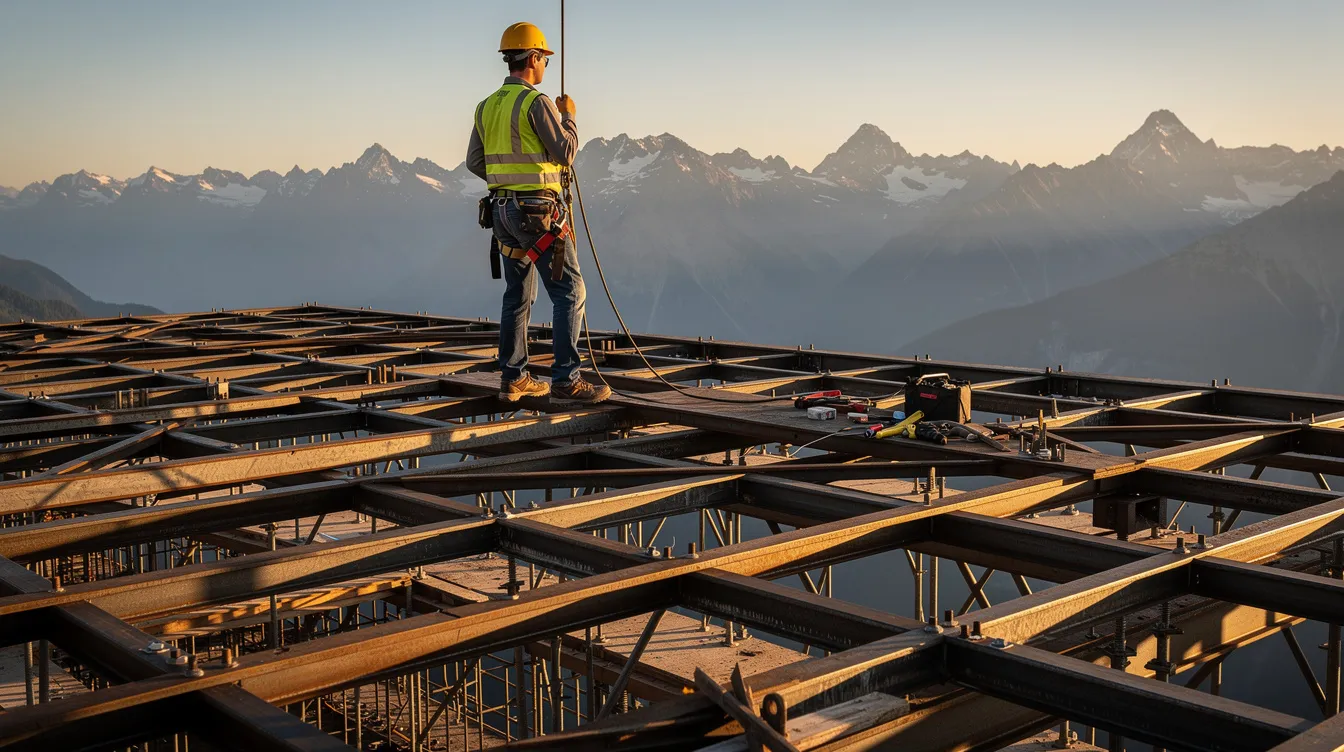
Every year, the Bureau of Labor Statistics publishes lists of the deadliest jobs in America. For Colorado workers, those lists are not abstract. They describe real jobs in real communities: logging in the forested counties south of Pueblo, oil and gas extraction in the DJ and San Juan basins, construction along the Front Range, and trucking on I-25, I-70, and U.S. 50. Heavy machinery, environmental elements, and transportation hazards contribute to workplace fatalities in every one of these sectors.
Workplace danger is measured by fatal injury rates per 100,000 full-time workers. Occupational hazards are tracked by organizations like the Bureau of Labor Statistics annually, while OSHA and its role in health administration help enforce workplace safety oversight and standards, and the data consistently shows that farming, logging, construction trades, and transportation are among the most dangerous industries. Colorado's geography—mountains, canyons, winter weather conditions, and remote job sites—amplifies those risks. Remote job locations can delay emergency medical response, increasing fatality risks for workers who are already miles from the nearest hospital.
Even if your job is "expected" to be dangerous, Colorado law entitles you to a reasonably safe workplace and to workers compensation if you suffer a work related injury or develop an occupational disease. The dangerous nature of your profession does not reduce your right to benefits.
Whether you work in Pueblo, Pueblo West, Colorado Springs, or a rural county ranch, call (719) 309-9484 or contact us online for a free, no-obligation review of your job injury.
How Labor Statistics Define the "Most Dangerous Job"
Workplace danger is measured by fatal injury rates per 100,000 full-time workers. The Bureau of Labor Statistics uses its Census of Fatal Occupational Injuries (CFOI) to calculate fatal work injury rates—the number of fatalities per 100,000 full-time equivalent workers in a given year. This metric allows fair comparisons across occupations with very different workforce sizes.
A "dangerous job" can mean two different things. Some occupations have the highest fatal injury rate per worker—logging workers, fishing and hunting workers, roofers, and underground mining machine operators top these lists. Others generate a high absolute number of deaths because so many people hold those jobs. Delivery drivers, for example, had 966 fatalities in 2018—the highest among all occupations that year—even though the per-worker risk was lower than logging. Both metrics matter to workers and families evaluating their exposure.
BLS data consistently identifies the same leading causes of workplace death across dangerous occupations. Transportation incidents account for 38.2% of all occupational deaths. In 2022, transportation incidents caused 1,942 workplace fatalities nationwide. Falls from height, contact with heavy equipment, and exposure to harmful substances round out the top causes. Colorado's industry mix—construction, oil and gas, agriculture, mining, trucking, and public safety—closely matches these national patterns of dangerous professions.
These numbers are not just labor statistics. Each fatality can give rise to Colorado workers compensation death benefits and, in many cases, a separate wrongful death or third-party claim.
Top Dangerous Jobs That Colorado Workers Commonly Hold
The following dangerous occupations regularly appear in national rankings and in Colorado workers' comp and personal injury cases. Here is how the risks break down, along with what each means for potential claims.
Comparison Table: Fatality Rates and Hazards by Occupation
|
Occupation |
Fatal Injury Rate (per 100,000 workers) |
Key Hazards |
|---|---|---|
|
Logging Workers |
80–111 |
Falling trees, chainsaws, steep slopes, remote terrain, machinery |
|
Roofers |
41–50 |
Falls from height, steep/icy roofs, spinal injuries, fractures |
|
Structural Iron & Steel Workers |
25–38 |
Falls, welding, suspended loads, working at heights |
|
Driver/Sales Workers & Truck Drivers |
24–30 |
Vehicle crashes, long hours, fatigue, highway hazards |
|
Aircraft Pilots & Flight Engineers |
31–55 |
Aviation crashes, mountain flying, weather, air ambulance risks |
|
Oil & Gas Extraction Workers |
26–35 |
Explosions, toxic gases, heavy drilling equipment |
|
Refuse & Recyclable Material Collectors |
34–37 |
Traffic, low visibility, heavy equipment |
|
Agricultural Workers |
19–26 |
Tractor rollovers, animal injuries, grain bins, confined spaces |
|
Fishing & Hunting Workers |
80–90 |
Drowning, severe weather, unpredictable environments |
|
Underground Mining Machine Operators |
26–35 |
Cave-ins, toxic gases, equipment malfunction |
Logging Workers
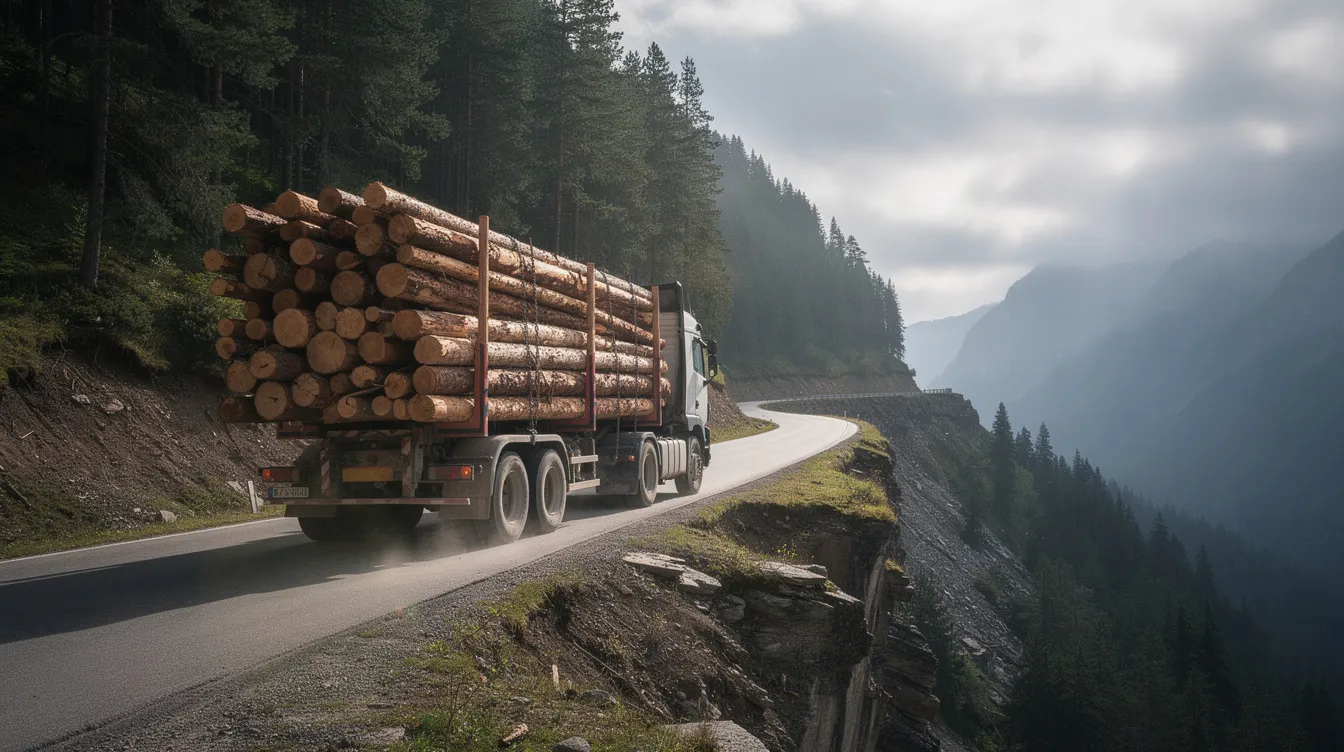
Logging workers consistently hold the highest fatal injury rate of any occupation. Their fatal injury rate sits at roughly 111 per 100,000 workers, with some BLS datasets placing it at 110.4 per 100,000 workers. That is more than 27 times the national average. In Colorado's forested counties—Fremont, Huerfano, Las Animas—loggers face falling trees, chainsaws, and steep slopes that complicate rescue. Logging workers have a fatality rate of roughly 80 to 110 per 100,000 workers depending on the year measured, and logging workers are among the most dangerous occupations due to remote terrain and heavy machinery use.
Roofers
Roofers have a fatal injury rate of 48.7 per 100,000 workers in recent BLS data, with other measurements placing the roofers fatal injury rate at 41 per 100,000 workers and a fatality rate of roughly 45 to 50 per 100,000 workers. Roofers recorded 104 fatal work injuries in 2024 nationally. In Pueblo, Colorado Springs, and mountain communities, roofers face falls from steep, icy, or wind-blown roofs and frequent spinal injuries and fractures.
Structural Iron and Steel Workers
Structural iron and steel workers have a fatality rate of roughly 25 to 38 per 100,000 workers. They build bridges and multi-story frames along the Front Range, facing fall hazards, welding dangers, and large suspended crane loads. Working at heights significantly increases the risk of fatal injuries, especially for roofers and steel workers.
Driver/Sales Workers and Truck Drivers
Driver/sales workers and truck drivers carry a fatality rate of roughly 24 to 30 per 100,000 workers and account for massive absolute numbers of workplace deaths. Transport-related crashes are a primary danger for truck drivers due to long hours and tight schedules on I-25, I-70, and rural highways.
Aircraft Pilots and Flight Engineers
Aircraft pilots and flight engineers have a fatal injury rate of 53 per 100,000 workers, with a fatality rate range of roughly 31 to 55 per 100,000 workers. Aircraft pilots had 70 fatalities in 2018. In Colorado, pilots and flight engineers perform general aviation, agricultural spraying, wildfire suppression, and air ambulance operations over rugged mountain terrain.
Oil and Gas Extraction Workers
Oil and gas extraction workers and derrick operators face explosions, toxic gases, and heavy drilling equipment in Colorado's remote basins. Underground mining machine operators have a fatality rate of roughly 26 to 35 per 100,000 workers, and mining is considered one of the world's most hazardous professions due to cave-ins and toxic gases.
Refuse and Recyclable Material Collectors
Refuse and recyclable material collectors have a fatality rate of roughly 34 to 37 per 100,000 workers. They work early-morning routes with low visibility, frequent stops, and traffic passing dangerously close.
Agricultural Workers
Agricultural workers have a fatality rate of roughly 19 to 25 per 100,000 workers, with farmers having a fatal injury rate of 26 per 100,000 workers and miscellaneous agricultural workers at about 20 per 100,000 workers. Farmers and other agricultural managers had 257 fatalities in 2018. According to the International Labour Organization, agriculture accounts for about one-third of fatal occupational injuries worldwide. In Colorado, farmers, ranchers, and farmhands deal with tractor rollovers, animal-related injuries, grain bin hazards, and confined spaces.
Grounds Maintenance and Other High-Risk Jobs
Grounds maintenance workers and lawn service supervisors face chainsaws, commercial mowers, tree trimming falls, and heat illness. Many "routine" Colorado jobs—warehouse work, highway maintenance workers, mechanics, repair workers, first line supervisors, police, and firefighters—also have elevated injury rates and are fully covered by workers comp if the injury arises out of and in the course of employment.
Common Causes of Serious and Fatal Workplace Accidents
Most serious workplace injuries in Colorado's dangerous professions fall into a few recurring categories that OSHA and BLS recognize as the leading causes of workplace death.
Transportation incidents remain the single deadliest category. Transportation-related crashes account for roughly 38% to 40% of all workplace fatalities nationally. In Colorado's 2024 data, transportation incidents caused 34 of 92 total fatal occupational injuries. Semi-truck crashes, delivery van collisions, professional drivers struck while on road crews, and material moving workers hit by vehicles all fall here. Fatigue and human factors lead to increased risk in transportation-related occupations, especially for truck drivers and delivery drivers working long hours.
Falls, slips, and trips are increasingly lethal in Colorado. In 2024, falls accounted for 21 of the state's 92 workplace fatalities—a higher share than the national average. Falls from height are a leading cause of fatalities for roofers and other high-rise construction workers, who are often exposed to multiple hazards at the same time on active sites. Gravity-related injuries are a significant concern for workers operating at extreme heights, whether on roofs, scaffolds, structural iron frames, or oil rigs. Fall protection is the most frequently cited OSHA violation year after year.
Contact with objects and heavy equipment is a persistent killer. Heavy machinery use is a common hazard in logging and construction, and heavy machinery operations in logging and mining frequently lead to fatal accidents. Workers are struck by crane loads, crushed between vehicles, or caught in logging equipment.
Exposure to harmful substances or environments doubled in Colorado from 6 fatalities in 2023 to 13 in 2024. This category includes toxic gas in oil and gas or mining operations, chemical exposures, extreme heat or cold, and hazardous materials at outdoor job sites. Hazardous environments in confined spaces create additional risk.
Fires and explosions round out the major categories, with well-site blowouts, fuel fires, and electrical explosions at industrial facilities causing burns, shock, and death.
Each of these events can trigger a Colorado workers comp claim regardless of fault, and in some cases may also support a personal injury claim against a negligent driver, property owner, subcontractor, or equipment manufacturer. For example, a winter black-ice collision on I-25 involving a delivery driver on the clock can generate both a workers compensation claim and an automobile accident lawsuit against the at-fault motorist.
Injuries We Commonly See in High-Risk Colorado Jobs
Injuries in dangerous jobs range from "minor" fractures to catastrophic, life-changing harm and fatal accidents. All of them may be compensable under workers comp. Occupations with limited safety infrastructure can dramatically increase workplace risks, especially in remote areas or newer job sites. Even commercial divers and undersea welders face extreme acute risks of electrocution, drowning, or compression sickness in specialized Colorado work.
Head and Traumatic Brain Injuries
-
Head and traumatic brain injuries (TBIs): From falls, flying objects, and vehicle crashes. These are common on construction sites and in truck accidents.
Neck, Back, and Spinal Cord Injuries
-
Neck, back, and spinal cord injuries: From falls, heavy lifting, and equipment incidents—including herniated discs and paralysis.
Crush Injuries, Amputations, and Severe Fractures
-
Crush injuries, amputations, and severe fractures: From heavy machinery, trapped limbs, and logging or equipment mishaps involving many workers across multiple hazardous industries.
Burns, Smoke Inhalation, and Electrical Shock
-
Burns, smoke inhalation, and electrical shock: From fires, explosions, and power line work in the construction industry and oil and gas sectors.
Occupational Diseases and Exposures
-
Occupational diseases and exposures: Such as silica dust in mining and construction, asbestos, chemical inhalation in industrial plants, and long-term hearing loss from heavy equipment. Mining is considered one of the world's most hazardous professions in part because of these chronic exposures.
Repetitive Stress and Overuse Injuries
-
Repetitive stress and overuse injuries: Including joint damage in over-the-road truckers, shoulder injuries in farmers, and carpal tunnel in mechanics and repair workers.
Repeated "minor" injuries over years can add up to permanent impairment and should never be dismissed in a Colorado workers comp claim. Nonfatal injuries deserve the same attention as catastrophic ones.
If you've sustained any of these injuries in a dangerous job, call (719) 309-9484 or contact Johnston Law Firm online to discuss your options before signing anything from the insurance company.
Colorado Workers' Comp Basics for Dangerous Occupations
Here is how Colorado workers compensation works for employees in high risk jobs:
-
Coverage is mandatory. Most employers must carry workers comp insurance covering all employees working on the job—full-time, part-time, even family members.
-
No-fault system. Benefits are generally available regardless of who was at fault for the workplace accident. You cannot usually sue your employer directly, but you can claim statutory benefits.
Main categories of benefits include:
-
Medical treatment with an authorized treating physician (ATP) chosen by the employer or insurer.
-
Temporary disability benefits (wage loss) if you miss more than three days of work.
-
Permanent partial disability (PPD) or permanent total disability (PTD) benefits if your injury leaves lasting limitations.
-
Disfigurement benefits in certain cases such as burns or scars.
-
Death benefits for surviving dependents if a worker died on the job.
Key Colorado deadlines for dangerous job workers:
-
Report workplace injuries to your employer in writing within 4 days if possible. Late reporting can hurt a claim, although recent legislative changes (HB22-1112) now provide a 10-day window and prohibit loss of compensation if your employer had actual notice or you show good cause.
-
The employer should file the WC-15 (First Report of Injury) with its insurer within 10 days.
-
Most claims must be filed within 2 years of the injury or last benefit payment, with limited exceptions for occupational diseases.
Workers in physically demanding, high risk jobs should never delay reporting injuries or seeking medical care. Insurers often argue that late reports mean the injury was not work-related.
Top 10 High-Risk Jobs Often Involved in Colorado Claims
This section mirrors national lists of the deadliest jobs in America but focuses on how those dangerous occupations appear in Colorado workers comp and personal injury cases.
Logging Workers
Logging workers account for some of the most severe claims: chainsaw accidents, falling timber, and remote job sites in mountain forests that delay emergency response and complicate treatment. Logging workers face risks from heavy machinery and steep terrain that compound the already extreme per-worker fatality rate.
Roofers
Roofers sustain falls from steep, icy, or wind-blown roofs across Pueblo, Colorado Springs, and mountain communities. The roofers fatal injury rate continues to climb, with a roughly 22% increase from 2020 to 2022 in national construction data.
Fishing and Hunting Workers
Fishing and hunting workers guide clients in remote valleys and reservoirs. Commercial fishing workers face unpredictable environments and severe weather, increasing danger levels, and fishing and hunting workers face constant drowning and injury hazards due to extreme weather and turbulent conditions. Commercial fishers have a fatality rate of roughly 80 to 90 per 100,000 workers.
Construction Helpers and Laborers
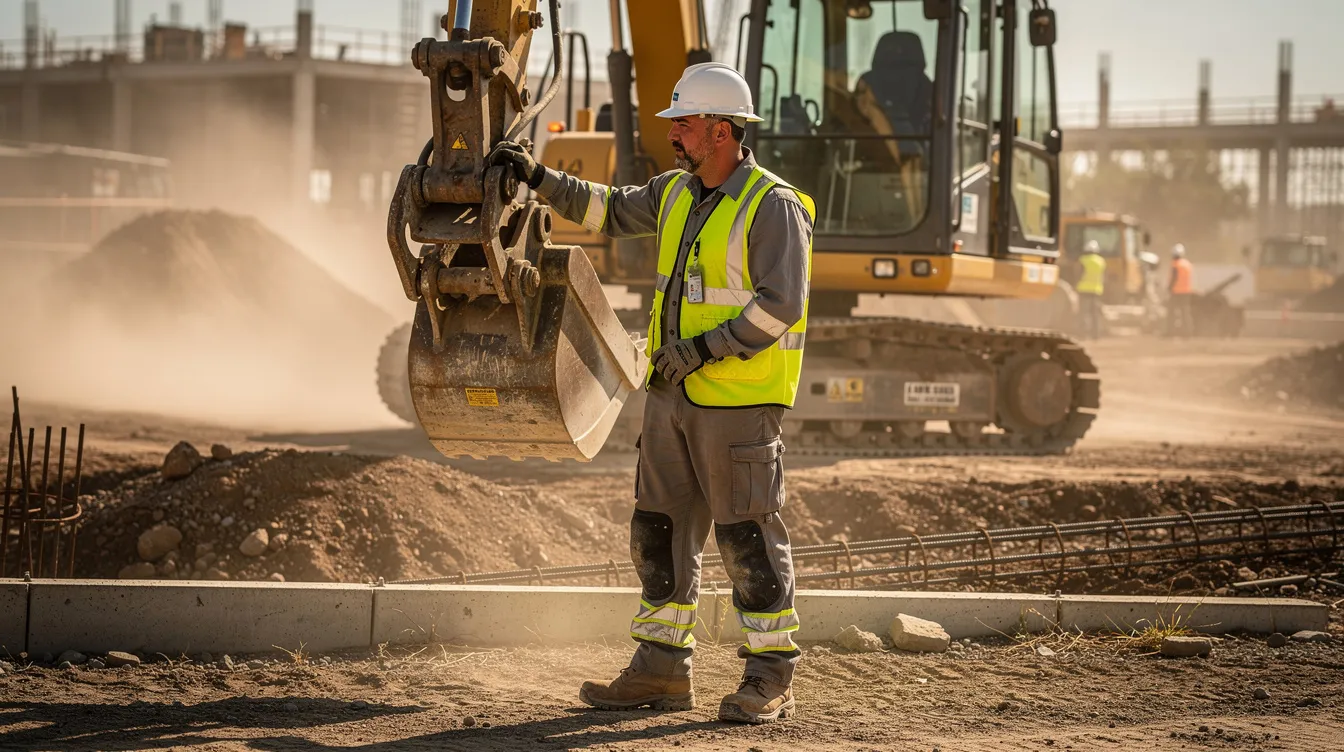
Construction helpers and laborers work on multi-trade construction sites with heavy equipment, trenches, and scaffolding. These jobs are especially hazardous for newer construction workers or those pressured to work fast.
Structural Iron and Steel Workers
Structural iron and steel workers build bridges and multistory frames, facing fall hazards and large suspended loads.
Aircraft Pilots and Flight Engineers
Aircraft pilots and flight engineers in Colorado fly general aviation, agricultural spraying, firefighting missions, and air ambulance operations over rugged terrain.
Driver/Sales Workers and Truck Drivers
Driver/sales workers and truck drivers travel long-haul routes on I-25 and I-70, short-haul delivery in Denver and Colorado Springs, and rural "last-mile" deliveries. Delivery drivers recorded 966 fatalities nationally in 2018.
Refuse and Recyclable Material Collectors
Refuse and recyclable material collectors work early morning routes with low visibility, frequent stops, and traffic passing close by.
Underground Mining Machine Operators
Underground mining machine operators face collapses, equipment malfunction, and poor ventilation in Colorado's coal and hard-rock mines.
Miscellaneous Agricultural Workers
Miscellaneous agricultural workers—farmhands, ranch workers, feedlot employees—deal with tractors, livestock, and confined spaces. Farmers had 257 fatalities nationally in 2018.
For each of these occupations, a serious injury or fatality would typically be handled through Colorado workers comp. When a third party is negligent—another driver on the highway, a defective equipment manufacturer, or a subcontractor whose actions caused harm—a separate personal injury or wrongful death lawsuit may also be appropriate.
What to Do After an Injury in a Dangerous Job in Colorado
If you just got hurt at a high-risk job site, here is a practical step-by-step roadmap:
-
Get emergency medical help immediately. In life-threatening situations, call 911 and go to the nearest ER. Sort out workers comp approvals later.
-
Report the injury to your supervisor as soon as possible, ideally in writing. Note the date, time, place, and how the accident happened. Colorado's reporting rule requires written notice within 4 days.
-
Ask your employer for the list of authorized treating physicians (ATPs) and follow through with the initial evaluation.
-
Describe all symptoms completely and honestly, including every body part injured—not just the most painful one that day.
-
Do not give a recorded statement to the insurance adjuster or sign broad medical releases before getting legal advice.
-
Keep copies of everything: incident reports, emails, text messages, medical records, and work restrictions.
You should consult with an experienced Colorado workers compensation attorney early if your claim is denied or delayed, you are pushed back to work before you feel safe, the ATP minimizes your injuries, or the insurer disputes whether the accident was "really" work-related.
Call (719) 309-9484 or send us a message online for guidance tailored to your specific job and injury.
When a Dangerous Job Injury Becomes More Than Just Workers' Comp
While workers comp is the primary system for job injuries in Colorado, dangerous occupations often involve third parties whose negligence can support additional claims.
Consider these examples:
-
A truck driver injured when another motorist causes a highway crash can pursue an auto accident claim in addition to workers comp.
-
A construction helper injured when a subcontractor's crane operation drops a load may have a third-party negligence claim against that subcontractor.
-
An iron and steel worker hurt by defective fall-protection gear can bring a product liability claim against the manufacturer.
-
A refuse collector hit by a distracted driver while hanging off the back of a garbage truck has a personal injury claim against that driver.
Workers compensation usually bars lawsuits against the worker's own employer for negligence—but not against other responsible parties. Establishing an attorney client relationship early with a firm that handles both workers comp and personal injury claims helps ensure no source of recovery is missed. Johnston Law Firm handles both types of cases and can coordinate third-party claims to maximize recovery while managing liens and setoffs between systems.
How Johnston Law Firm Helps High-Risk Workers and Their Families
Johnston Law Firm, LLC is based in Pueblo, Colorado with a statewide practice in workers compensation, personal injury, automobile accidents, estate planning, criminal law, and Social Security disability.
Attorney Stephen M. Johnston has practiced since 2002 with extensive trial and administrative hearing experience. He is admitted in Colorado and Wyoming, the U.S. District Courts for both states, and the U.S. Court of Appeals for the Tenth Circuit. His focus areas include workers comp, serious injury, and Social Security disability appeals.
Specific services for workers in dangerous jobs include:
-
Filing and litigating Colorado workers compensation claims, including hearings before administrative law judges.
-
Challenging insurer medical opinions with independent medical exams (IMEs) and Division IMEs (DIMEs).
-
Pursuing appeals through the Industrial Claim Appeals Office (ICAO) and the Colorado Court of Appeals.
-
Evaluating and prosecuting related personal injury, wrongful death, and automobile accident claims.
-
Coordinating Social Security Disability claims where a dangerous job injury prevents a return to work.
The firm offers free initial consultations, contingency fees (no fee unless money is recovered), direct access to an attorney, and realistic expectations about case outcomes.
Call (719) 309-9484 or reach out online right away if a work accident or occupational disease has changed your life.
Colorado Counties and Communities We Serve
Dangerous jobs span the entire state—from Denver warehouses and Front Range construction sites to ranches, farms, and mines in rural counties. Johnston Law Firm is prepared to help statewide.
-
Pueblo and Pueblo West: Construction workers, manufacturing employees, truck drivers, warehouse workers, and public employees.
-
Colorado Springs and El Paso County: Military-related contractors, aviation jobs, construction and roofing, delivery drivers.
-
Otero, Crowley, and Bent Counties: Agricultural workers, ranch hands, meat processing, highway maintenance workers.
-
Fremont and Custer Counties: Corrections staff, construction, mining and quarry workers, loggers.
-
Huerfano and Las Animas Counties: Oil and gas workers, miners, loggers, ranchers, and professional drivers.
The firm also regularly represents injured workers in other Colorado locations and can handle most of the claim remotely by phone, email, and video when travel is difficult after a serious injury.
If you work anywhere in Colorado in a dangerous occupation, call (719) 309-9484 or send a message through our online contact form to discuss your situation.
Practical Safety Tips for Workers in Dangerous Jobs
This section is not a substitute for OSHA or employer training, but these reminders can reduce risk:
-
Fall protection: Always use harnesses on roofs, scaffolds, and steel structures. Report missing guardrails or anchor points immediately.
-
Heavy equipment: Stay out of blind spots, follow lockout/tagout rules, and never bypass safety guards. Heavy machinery operations in logging and mining frequently lead to fatal accidents when protocols are ignored.
-
PPE: Wear hard hats, high-visibility vests, safety glasses, hearing protection, and steel-toe boots. Insist on replacements when gear wears out.
-
Transportation safety: Follow hours-of-service limits, avoid distracted driving, and slow down for weather conditions and mountain grades.
-
Oil and gas, mining, and confined spaces: Follow all gas-monitoring and ventilation protocols. Do not enter areas you are not trained for.
-
Agricultural work: Avoid extra riders on tractors, use rollover protection, and exercise caution around livestock and PTO shafts.
Safety measures reduce risk but cannot eliminate it. Workers should never hesitate to seek workers comp benefits and legal advice after an incident, even if they followed all rules.
When to Call a Colorado Workers' Compensation Lawyer About a Dangerous Job Injury
Here are warning signs that you need legal help:
-
Your claim is denied or the insurer says the injury is not work-related.
-
Your employer discourages reporting, claims "we'll just pay cash," or threatens job loss.
-
Benefits are suddenly cut off, or the ATP declares Maximum Medical Improvement (MMI) while you still have serious limitations.
-
The insurer refuses to authorize specialist care, surgery, or diagnostic tests.
-
Your injury appears permanent, involves multiple body parts, or may prevent a return to heavy labor.
-
A family member has died on the job and the family is unsure what death benefits or lawsuits are available.
Early legal involvement is especially important for catastrophic injuries and fatal accidents in high risk jobs, where the financial stakes are significant and insurers fight aggressively to minimize payouts.
Call (719) 309-9484 or contact Johnston Law Firm online for a free case evaluation. There is no obligation, and no fees unless the firm recovers money for you or your family.
Frequently Asked Questions About Dangerous Jobs and Colorado Workers' Comp
Does it matter that I chose a dangerous job if I get hurt at work?
No. Under Colorado law, choosing a dangerous occupation does not reduce your right to workers compensation benefits. What matters is whether the injury or illness arose out of and in the course of employment—not whether you knew the job involved hazards. Insurers sometimes try to downplay injuries by arguing "that job is always hard on the body," but this does not automatically defeat a valid work-related injury claim. Employees working in the most dangerous industries deserve the same protections as anyone else.
Can I get workers' comp in Colorado if I was partly at fault for the accident?
Colorado's workers compensation system is generally no-fault, meaning workers can usually receive benefits even if they made a mistake that contributed to the workplace accident. Limited exceptions exist for injuries caused by intoxication or intentional self-harm, but these are fact-specific and often disputed. Do not assume you are ineligible just because you think you "could have been more careful." Speak with an attorney to evaluate the facts.
What if I work in multiple dangerous jobs or have an old injury that got worse?
Many workers in high risk industries change employers, work multiple jobs, or have prior injuries. A new work incident or aggravation can still be compensable. Aggravation of a pre-existing condition by a new work event qualifies for workers comp, even if the worker was already symptomatic. Calculating lost income and assigning responsibility between employers or insurers can be complex, and an experienced workers comp lawyer can help untangle these issues.
What benefits are available to families after a fatal workplace accident in Colorado?
Surviving dependents may be entitled to workers compensation death benefits, which can include reasonable funeral and burial expenses and a portion of the worker's lost income. Families may also have a separate wrongful death or survival claim against negligent third parties—such as another driver, subcontractor, or product manufacturer—in addition to workers comp. Prompt legal advice in fatal accident cases is critical to preserve evidence and identify all potential sources of recovery.
How much does it cost to hire Johnston Law Firm for a dangerous job injury case?
Johnston Law Firm offers free initial consultations for injured workers and families dealing with work injuries or workplace deaths in Colorado. The firm works on a contingency fee basis in workers comp and personal injury cases, meaning you owe no attorney's fees unless the firm successfully recovers benefits or compensation. Call (719) 309-9484 or reach out online to discuss fees and case evaluation in more detail, with no obligation.