Grand Junction Workers Compensation Attorney – Help After a Work Injury in Western Colorado
A single moment on the job can change everything. If you've been hurt at work in Grand Junction or anywhere in Western Colorado, you already know how quickly medical bills, lost wages, and uncertainty can pile up. This guide explains your rights under Colorado workers compensation law, the benefits you may be entitled to, the deadlines you cannot afford to miss, and how Johnston Law Firm, LLC can help you fight for every dollar you deserve.
Key Takeaways
-
Johnston Law Firm, LLC represents injured Grand Junction workers in Colorado workers compensation claims statewide from its Pueblo office, with a focus on wage replacement, medical care, and disability benefits.
-
Many Grand Junction workers face denied, delayed, or prematurely terminated workers comp benefits, and having a dedicated workers compensation attorney helps level the playing field with insurers. Legal representation can maximize benefits under Colorado law.
-
Steve Johnston has over two decades of Colorado litigation experience across workers' compensation, personal injury, automobile accidents, estate planning, criminal law, and social security law.
-
If you've been injured on the job in Grand Junction or Mesa County, call tel: (719) 309-9484 or message us online for a free consultation right now.
-
This article walks you through what to do after a work injury, the types of temporary disability benefits and permanent disability benefits available, key Colorado deadlines, and how Johnston Law Firm can advocate for your full benefits.
Why Injured Grand Junction Workers Need Legal Help Now
A work injury in Grand Junction or elsewhere in Western Colorado can threaten your health, your paycheck, and your family's stability-all at once. Whether you fell from a scaffold on a construction site near the Colorado River or developed a chronic illness from years of dust exposure in a warehouse along I-70, you deserve more than vague promises from an insurance company.
Grand Junction workers compensation operates under a no-fault system designed to provide compensation for medical care and partial wage replacement when you're hurt on the job in Grand Junction, CO or Mesa County. In theory, it's straightforward. In practice, many injured workers encounter denied claims, artificially low average weekly wage calculations, pressure from the company doctor to return before they're ready, or early cut-off of temporary disability benefits.
Filing deadlines and documentation accuracy are critical in workers compensation claims. The steps you take-or fail to take-in the first days after an injury occurred can permanently affect your legal rights and your ability to obtain benefits. Talking to a grand junction workers compensation attorney early, or getting advice from a workers comp lawyer early in the process, can prevent costly mistakes with reporting, treating doctor choices, insurance paperwork, and Final Admissions of Liability.
Don't wait for a denial to get legal help. Call Johnston Law Firm at tel: (719) 309-9484 or contact us online for a free, no-obligation case review.
About Johnston Law Firm, LLC and Attorney Steve Johnston
Johnston Law Firm, LLC is a Pueblo-based Colorado law firm that regularly represents injured workers across the state, including Grand Junction, Mesa County, and Western Colorado communities. The firm is led by Stephen M. Johnston, Esq., a trial lawyer with more than 20 years of courtroom and administrative hearing experience in Colorado workers compensation cases and related practice areas, with recognition including super lawyers honors if applicable.
Steve Johnston's six key practice groups are:
-
Workers' compensation
-
Personal injury
-
Automobile accidents
-
Estate planning
-
Criminal law
-
Social security law
These areas frequently overlap for injured workers. A severe work-related injury can trigger a workers comp claim, a personal injury lawsuit against a negligent third party, a Social Security disability application, and even estate planning needs-all at the same time.
The firm serves clients from Otero, Fremont, Custer, Huerfano, Las Animas, and Crowley Counties while also handling complex work injury claims from the Western Slope, including Grand Junction, CO. Communication and accessibility from the attorney is important for client satisfaction, and Johnston Law Firm delivers personal attention from Steve, clear communication about next steps, and support from paralegal Candice Briggs and legal assistant Lisa Serna. Reputable workers compensation attorneys often work on a contingency fee basis, and Johnston Law Firm follows this model on most workers' compensation and personal injury matters-meaning no attorney fee unless there is a recovery. The firm is also available among Colorado workers compensation lawyers assisting injured workers statewide.
Want to learn more about Steve Johnston's background? Visit the firm's website, then call tel: (719) 309-9484 for help with a grand junction workers compensation case.
What Is Colorado Workers Compensation and How It Applies in Grand Junction
Colorado workers compensation is a state-mandated insurance system that covers most employers and workers, including those in Grand Junction and throughout Mesa County. The system is governed by Title 8, Articles 40–47 of the Colorado Revised Statutes and administered by the Division of Workers' Compensation.
Workers' compensation is a no-fault system in Colorado. That means you usually do not have to prove your employer did anything wrong to receive benefits for a covered work injury or occupational illness. Colorado established workers' compensation laws in 1915, and the core principle has remained: if you got hurt on the job, you're generally entitled to benefits regardless of who was at fault.
In exchange for no-fault coverage, workers typically cannot file a traditional personal injury lawsuit against their employer. However, third party claims against negligent parties other than your employer may still be available in certain situations.
The same Colorado law and procedural rules apply whether your injury occurred in Pueblo, Grand Junction, the Western Slope, or a rural Colorado county. Colorado's workers' comp system has distinct rules and administrative procedures, and workers' compensation law varies significantly by state. Having a lawyer who knows Colorado's statewide rules-not just a lawyer with an office on your street-is what matters.
Common Work Injuries in Grand Junction and Western Colorado
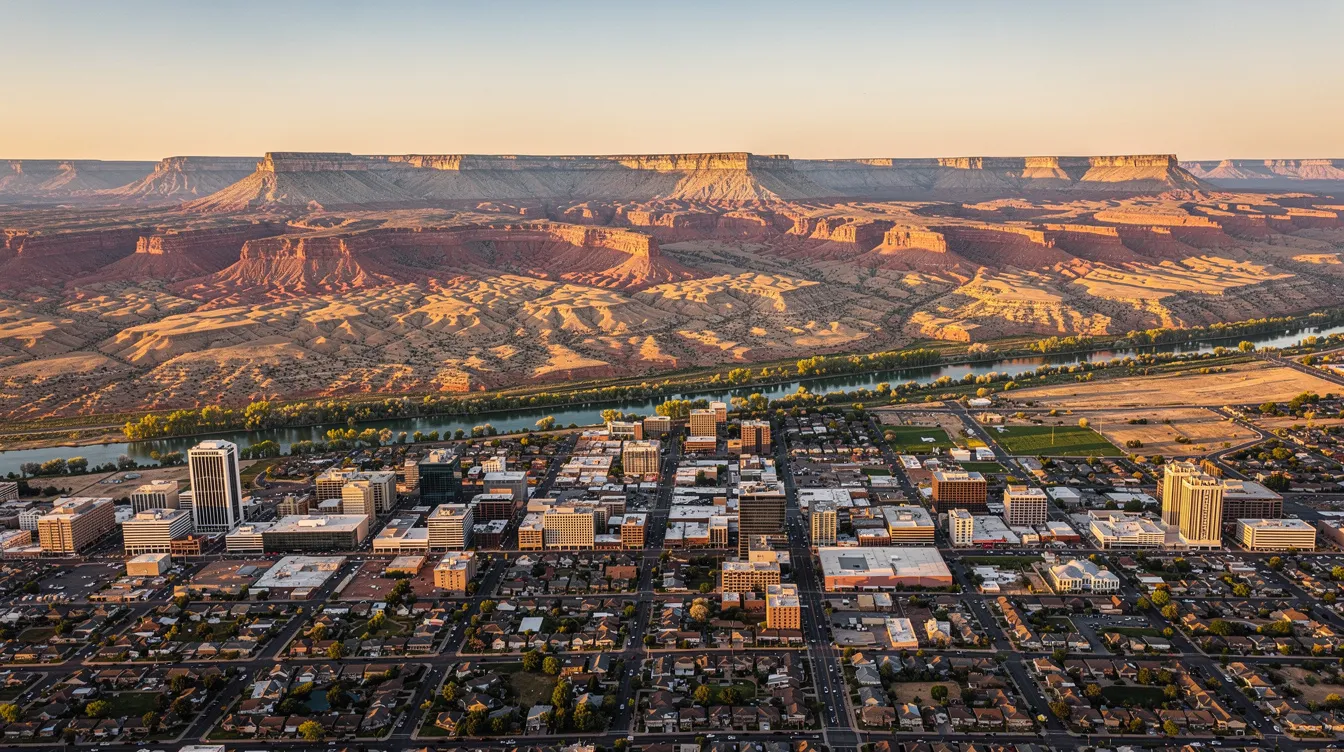
Grand Junction's economy spans construction, oil and gas, health care, agriculture, transportation, and service industries. Each carries distinct risks, and workplace injuries in these fields range from sudden trauma to slow-developing occupational disease.
Common work injuries seen in the Grand Junction area include:
-
Back and neck injuries from heavy lifting, repetitive bending, or falls
-
Shoulder and knee injuries from falls, overexertion, or repetitive motion
-
Fractures from falling objects, equipment malfunctions, or vehicle collisions
-
Head and traumatic brain injuries from falls, struck-by incidents, or explosions
-
Occupational illnesses from chemical exposure, silica dust, welding fumes, or prolonged noise
-
Repetitive stress injuries such as carpal tunnel syndrome from assembly-line or computer work
-
Hearing loss and vision injuries from industrial noise or flying debris
-
Psychological conditions including PTSD from traumatic on-the-job events
Both sudden accidents-like a fall from scaffolding in downtown Grand Junction-and cumulative trauma from years of heavy lifting in a warehouse near I-70 can be covered under Colorado workers compensation.
Colorado employers must follow workplace safety regulations. Ignoring safety regulations increases the risk of workplace injuries, and injuries from safety violations can actually strengthen workers compensation claims. Even "minor" injuries can become serious injuries over time, and early documentation with an authorized treating physician is crucial for long-term disability benefits.
If you suffered any kind of work injury in Grand Junction or elsewhere in the region, reach out to Johnston Law Firm for a tailored evaluation of your potential claim.
What to Do Immediately After a Work Injury in Grand Junction
The steps you take in the first hours and days after a work injury in Grand Junction can make or break your Colorado workers comp claim. Here is a practical checklist:
-
Seek emergency medical care right away for serious or life-threatening injuries. Tell the doctors and hospital staff clearly that the injury happened at work in Grand Junction, CO.
-
Provide written notice to your employer. You have four business days to report your injury under longstanding Colorado guidance, and HB 22-1112 (2022) expanded the outer deadline so you must report your injury to your employer within 10 days. Failing to document notice can trigger disputes and potentially reduce your compensation.
-
Put it in writing. Notify a supervisor or HR via email or a written incident report. Keep a copy of your written notice to your employer, including the date and time, for your own medical records.
-
Request the employer's list of authorized treating providers. Employers or insurers often choose the authorized treating physician in Colorado, and visiting unauthorized doctors may not be covered by workers compensation insurance.
-
Do not sign anything or fill out complex insurance paperwork without first speaking to a workers compensation attorney. An attorney can guide you through WC-15 claim filing, doctor selection, and evidence preservation so your initial claim starts on solid footing.
-
Document everything. Document all injury-related expenses for reimbursement-receipts, prescriptions, mileage logs, and any out-of-pocket costs.
The Division of Workers' Compensation requires employers or their insurers to file a First Report of Injury within 10 days of learning about an injury causing more than three shifts of lost time or any permanent impairment. If your employer hasn't filed, an attorney can intervene.
Colorado Workers Compensation Benefits Available to Grand Junction Workers
Injured Grand Junction workers may be entitled to several types of workers compensation benefits under Colorado law, depending on the severity and duration of their injuries. The main benefit categories include:
|
Benefit Type |
What It Covers |
|---|---|
|
Medical benefits |
All reasonable and necessary treatment |
|
Temporary Total Disability (TTD) |
Full wage replacement (partial) while unable to work |
|
Temporary Partial Disability (TPD) |
Wage difference while working reduced hours |
|
Permanent Partial Disability (PPD) |
Lasting impairment after MMI |
|
Permanent Total Disability (PTD) |
Lifetime benefits for total inability to work |
|
Disfigurement awards |
Visible scarring, especially face/head |
|
Mileage reimbursement |
Travel to medical appointments |
|
Death/dependency benefits |
Benefits for surviving family members |
All benefits are calculated based on the worker's average weekly wage, and insurance companies sometimes miscalculate this figure-leaving out overtime, bonuses, tips, or earnings from multiple jobs-in ways that lower the injured worker's pay.
Workers compensation benefits do not cover pain and suffering. However, related personal injury claims against negligent third parties might, and Steve Johnston's broader personal injury experience can be an advantage here. Johnston Law Firm helps Grand Junction workers review benefit calculations, identify underpayments, and push for proper recognition of all available benefit categories.

Medical Benefits for Grand Junction Work Injuries
Medical benefits are the foundation of Colorado workers compensation. Workers' compensation covers all reasonable medical treatment costs related to the work injury or occupational disease.
Typical covered items include:
-
Emergency room visits at Grand Junction hospitals
-
Authorized treating physician office visits
-
Surgeries and inpatient hospital stays
-
Physical therapy and occupational therapy
-
Prescription medications
-
Diagnostic testing (MRIs, X-rays, CT scans)
-
Medical devices (braces, prosthetics, wheelchairs)
Under current Colorado law, the employer or insurer provides a list of designated doctors or clinics, and medical treatment must usually begin with one of those providers for full coverage. Independent medical examinations may be required by insurers to assess claims-these IMEs are chosen by the insurance company and often produce opinions that favor the insurer's position.
Injured workers can request a one-time change of provider in certain circumstances. Disputes about recommended medical care may lead to an IME or a Division IME (DIME). Under HB 25-1300, effective January 1, 2028, injured workers will gain more control over selecting treating physicians and the burden will shift to the employer or insurer to prove that treatment isn't reasonable.
Johnston Law Firm can help coordinate with authorized providers, challenge denials of recommended care, and prepare clients for IMEs or DIMEs when medical opinions conflict.
Temporary Disability Benefits: When You Can't Work or Must Work Fewer Hours
Temporary disability benefits help replace lost wages while the injured worker is healing and has not yet reached maximum medical improvement.
Temporary Total Disability (TTD): Temporary Total Disability benefits pay two-thirds of lost wages when a Grand Junction worker cannot work at all because of the injury. TTD is subject to Colorado's statutory limits-the benefit cannot exceed 91% of the state average weekly wage. Payments continue until the worker reaches MMI, returns to work, or refuses suitable employment.
Temporary Partial Disability (TPD): TPD benefits apply when the worker can return to work in a light-duty or part-time capacity but earns less than before the injury. The benefit covers a portion of the wage difference between pre-injury earnings and current reduced wages.
Disputes often arise when employers offer "light duty" work in Grand Junction that may not actually comply with the doctor's orders or medical restrictions. Insurers may try to cut off TTD by arguing the worker refused suitable work. Johnston Law Firm assists clients in documenting work restrictions, evaluating offered positions, and challenging improper termination or reduction of temporary disability benefits.
Permanent Disability Benefits After Maximum Medical Improvement
Maximum medical improvement is the point when the authorized treating physician believes the worker's condition has plateaued and is not expected to improve significantly with additional medical treatment. At or near MMI, the treating doctor may assign an impairment rating-the basis for permanent disability benefits in Colorado.
Permanent Partial Disability (PPD): Compensation for lasting impairment that affects function but still allows some type of work. PPD awards are calculated based on body part, impairment rating percentage, and statutory schedules. Under C.R.S. § 8-42-107.5, combined TTD and PPD benefits are capped at approximately $185,000 for impairment ratings of 19% or less, and approximately $300,000 for ratings above 19%, for injuries occurring on or after January 1, 2025.
Permanent Total Disability (PTD): Permanent total disability benefits are available for lifelong impairments. PTD provides lifetime benefits-66⅔% of the average weekly wage-in rare cases where the injuries or combined restrictions prevent the worker from engaging in any gainful employment. Permanent total disability eligibility must take age, education, and work history into account.
Grand Junction workers often need legal help to challenge low impairment ratings, push for fair permanent disability benefits, and decide whether to pursue a lump-sum settlement.
Other Colorado Workers Compensation Benefits: Mileage, Disfigurement, and Death Benefits
Beyond wage-loss and medical care, Colorado workers compensation offers additional benefits that injured workers in Grand Junction should not overlook.
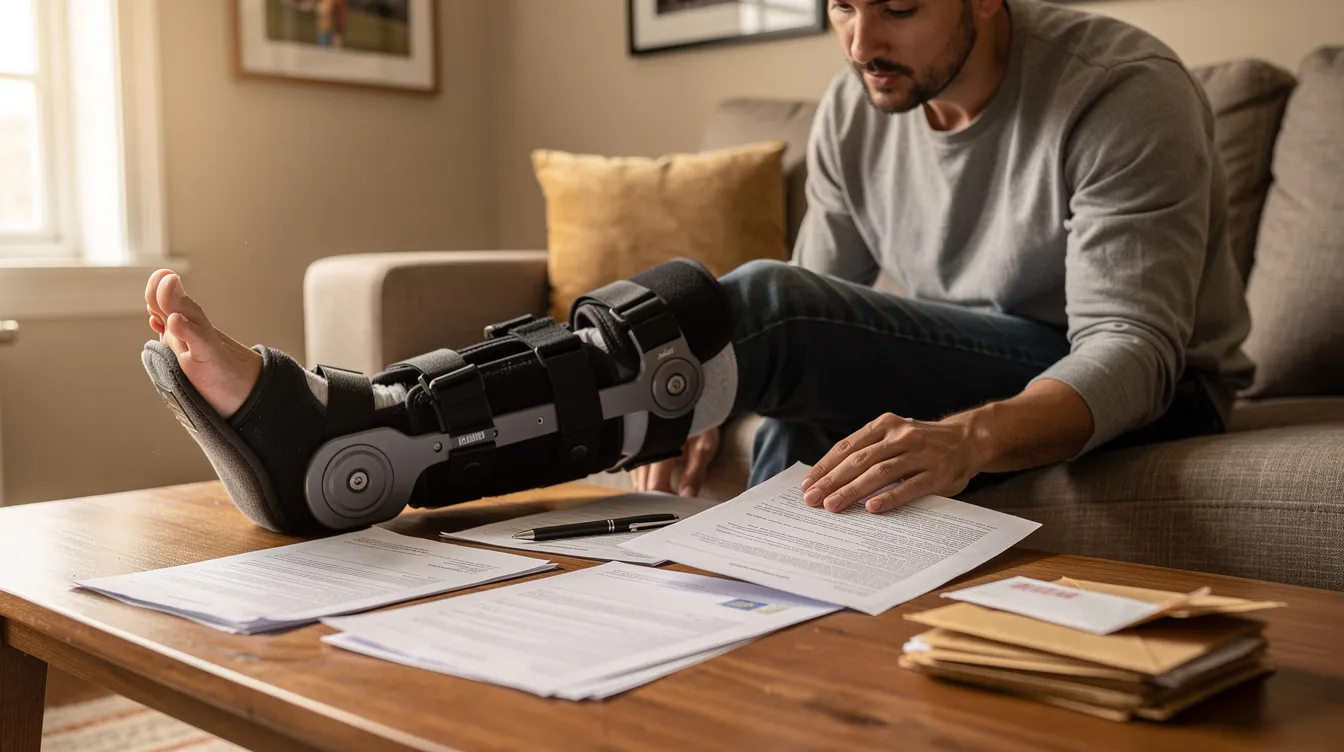
Mileage reimbursement: Injured workers can claim mileage and certain travel expenses for authorized medical appointments, including trips from Grand Junction to specialists in Denver, Colorado Springs, or other cities. These must be properly documented and submitted on time.
Disfigurement and scarring benefits: Colorado may provide compensation for visible scars or disfigurement, especially on the head, face, or exposed areas. These awards can be significant in catastrophic injury cases and are subject to annual maximum adjustments.
Death and dependency benefits: Dependents may receive benefits if a worker dies from a work-related injury. A surviving spouse or minor children may be entitled to ongoing wage-loss benefits and funeral expense coverage. Johnston Law Firm helps surviving families navigate these difficult claims, coordinate with the Division of Workers' Compensation, and handle related wrongful death or personal injury claims against negligent third parties when appropriate.
Document all injury-related expenses-mileage logs, parking receipts, prescription costs-for reimbursement. These details matter and can add up to meaningful dollars over the life of a claim.
How Employers and Insurers Often Undermine Junction Workers Compensation Claims
Even though workers compensation in Colorado is supposed to be straightforward, employers and insurance companies frequently work to minimize payouts. Insurance companies may deny claims for various reasons, including late reporting or pre-existing conditions, and many claims are denied due to paperwork issues or missed deadlines.
Common tactics include:
-
Disputing whether the injury is work-related
-
Claiming a pre-existing condition caused the symptoms
-
Delaying acceptance or payments on the initial claim
-
Sending workers to biased IME doctors who minimize injuries
-
Issuing a Final Admission of Liability that understates benefits
-
Pressuring Grand Junction workers back to their job too early or challenging medical restrictions
-
Arguing that an injured worker has voluntarily quit or refused suitable employment
You have 30 days to object to a Final Admission of Liability. Missing that deadline-or missing a deadline to request a hearing or appeal an adverse order-can permanently cut off important workers comp benefits. Workers compensation claims can be challenged through administrative hearings, and a workers compensation attorney can file appeals for denied claims. Challenging a denied claim can involve gathering medical evidence and filing appeals, and you can appeal a denied claim to protect your interests. After a denial, gather more proof to support your appeal-additional medical records, witness statements, and documentation of how the injury occurred.
An experienced Colorado workers compensation attorney like Steve Johnston can anticipate these tactics, gather evidence, and use the state's procedural rules to protect a client's legal rights throughout the entire process.
How Johnston Law Firm Helps Injured Grand Junction Workers
Johnston Law Firm represents injured workers from Grand Junction and surrounding Western Colorado communities in all stages of the workers compensation process. Attorneys help navigate the workers compensation claims process from initial filing through final resolution.
Key services include:
-
Initial case evaluation - Reviewing the facts of your injury and advising on next steps
-
Filing or correcting WC-15 claims - Ensuring your initial claim is accurate and complete
-
Coordinating with authorized treating physicians - Managing the relationship between your medical treatment and your legal case
-
Tracking every deadline - From employer notice to objections to Final Admissions
-
Communicating with adjusters - So you can focus on healing instead of fighting with the insurance company
-
Hearings and appeals - Workers compensation attorneys can represent clients in front of the Colorado Office of Administrative Courts, and Steve Johnston regularly handles hearings before Colorado Administrative Law Judges and pursues appeals to the Industrial Claim Appeals Office
-
Negotiating settlements - Most workers compensation claims can be resolved through settlement rather than trial, and an experienced attorney can help navigate disputes over medical treatment and wage replacement to reach a fair result
Attorneys gather evidence to support workers compensation claims, and lawyers ensure all compensation is paid as required by law. The firm can also evaluate related personal injury or automobile accident claims, social security disability issues, and even long-term estate planning needs arising from serious permanent injuries.
Ready to talk about your case? Call tel: (719) 309-9484 or send us a message online for a free consultation about your specific situation.
Grand Junction Work Injuries and Third-Party Personal Injury Claims
While workers compensation is usually the exclusive remedy against the employer, injured workers in Grand Junction may also have personal injury claims against negligent third parties. These third party claims exist outside the workers comp system and can provide additional compensation.
Examples include:
-
A delivery driver struck by a negligent motorist on North Avenue
-
A construction worker injured by defective equipment manufactured by a third-party company
-
A nurse hurt in a car accident while driving between facilities
-
An oil field worker injured due to a subcontractor's safety failures
Third-party claims can seek damages not available under workers comp, such as full lost wages (not just two-thirds), pain and suffering, and loss of enjoyment of life. Steve Johnston's experience in personal injury and automobile accident litigation allows the firm to coordinate workers comp benefits with related personal injury recoveries.
Coordinating these claims carefully is critical. Without proper legal strategy, benefit offsets and subrogation rules can reduce what you actually take home. Johnston Law Firm works to maximize the overall financial recovery for the injured worker and their family.

Why Location Shouldn't Limit Your Choice of Colorado Workers Compensation Attorney
Although Johnston Law Firm is based in Pueblo, Colorado workers compensation cases are governed by the same statewide laws and heard in administrative courts where remote appearances are routine. You do not need a lawyer whose office is in Grand Junction-you need a lawyer who understands Colorado workers compensation law, statewide procedures, and insurance company tactics.
Local attorneys are often familiar with regional medical providers and insurance adjusters, and Johnston Law Firm has developed that familiarity across multiple Colorado regions through years of statewide practice. The firm routinely serves clients far beyond Pueblo, including Grand Junction and Western Slope communities, using phone, video conferencing, secure electronic document exchange, and in-person meetings when needed.
Distance does not reduce the quality of representation. The firm's statewide focus is an advantage in handling complex or high-stakes work injury cases where the legal team needs deep knowledge of Colorado's evolving rules.
Invite yourself to schedule a free phone or video consultation by calling tel: (719) 309-9484 or reaching out through the firm's online contact form.
When to Call a Grand Junction Workers Compensation Attorney
Injured workers do not need to wait for a denial to seek legal help. Many problems can be prevented by getting advice early. Here are key moments when Grand Junction workers should contact Johnston Law Firm:
-
Immediately after a serious injury on the job
-
When you receive confusing insurance paperwork or a Final Admission of Liability
-
When benefits are delayed, reduced, or denied
-
When your employer tells you to come back to work against doctor's orders
-
When you are fired or disciplined after filing a workers comp claim
-
When you are pressured to accept a quick settlement before you understand what your claim is worth
The firm offers free initial consultations in workers compensation cases. In most cases, claims are handled on a contingency-fee basis-no attorney fee unless there is a recovery.
Protect your legal rights today. Call tel: (719) 309-9484 or message us online to speak with an advocate who will fight for the benefits you've earned.
Frequently Asked Questions About Grand Junction Workers Compensation Cases
Do I have to live in Pueblo for Johnston Law Firm to handle my Grand Junction workers compensation claim?
No. Residency in Pueblo is not required. Johnston Law Firm regularly represents injured workers from Grand Junction, Mesa County, and across Western Colorado in Colorado workers compensation matters. Most communication, document exchange, and even many hearings can be handled by phone or video, making distance a non-issue for effective representation. The firm tailors its communication style-phone calls, email, or online messaging-around each client's needs and schedule.
How long do I have to file a Colorado workers compensation claim after a work injury?
You should provide written notice to your employer as soon as possible-Colorado law expects prompt reporting, and the safest course is to do so within four business days, though the outer deadline is 10 days. Beyond notice, you must file a Workers' Claim for Compensation form within two years of the date of injury or the last payment of benefits. Waiting that long, however, can seriously harm your claim. Contact Johnston Law Firm quickly so specific deadlines in your case can be identified and met.
Can I change doctors if I'm unhappy with my work comp treatment?
Under Colorado workers compensation law, the employer or insurer usually controls the initial selection of the authorized treating physician using a designated provider list. Injured workers often have a limited, one-time opportunity to change to another authorized provider, and there may be procedures for requesting a change through the Division of Workers' Compensation. Because changing doctors can affect both treatment and legal strategy, consult with Johnston Law Firm before making any moves that could impact your benefits.
What if I was partly at fault for my work injury in Grand Junction?
Colorado workers compensation is a no-fault system, so benefits are usually available even if you made a mistake or contributed to the accident, as long as the injury occurred in the course and scope of employment. There are limited situations-such as being intoxicated on the job or intentionally injuring yourself-where misconduct can reduce or bar benefits. If you're worried about fault or blame, talk privately with Johnston Law Firm to understand how the law applies to your specific circumstances.
Can Johnston Law Firm also help me with Social Security or estate planning if my injury is severe?
Yes. One advantage of working with Johnston Law Firm is that Steve Johnston practices not only workers' compensation and personal injury, but also social security law and estate planning. Severely injured Grand Junction workers may need coordinated advice on long-term disability, Social Security Disability Insurance (SSDI), and planning for their family's financial future through wills or trusts. The firm can integrate workers compensation strategy with these other areas to provide a more comprehensive long-term plan for you and your loved ones.