Distracted Driving Accident Colorado – Texting, Phone Use, and Negligence Claims
Distracted driving accidents are a leading cause of injury and death on Colorado roads. This page explains Colorado's distracted driving laws, how negligence is determined, what to do after an accident, and how victims can pursue compensation. It is intended for anyone affected by a distracted driving crash in Colorado, including drivers, passengers, and families seeking legal guidance.
Key Takeaways
-
Colorado’s strict hands free law took effect January 1, 2025, and prohibits holding or manually using a mobile electronic device while driving.
-
Texting while driving, illegal cell phone use, and a distracted driving citation can become powerful evidence in a personal injury claim.
-
Victims of distracted driving accidents may be eligible for several forms of compensation, including medical expenses, lost wages, and pain and suffering.
-
Johnston Law Firm, LLC helps Pueblo and Colorado accident victims pursue fair compensation after a distracted driving car accident.
-
If you were injured, call Steve Johnston at (719) 309-9484 or message us online for a free consultation.
Understanding Distracted Driving in Colorado
A distracted driving accident colorado claim often starts with a simple fact: the other driver was not fully focused on the road. Across Pueblo, Colorado Springs, I-25, U.S. 50, and rural roads in Otero, Fremont, Custer, Huerfano, Las Animas, and Crowley Counties, distracted driving crashes happen every day and can leave people with serious injuries.
Distracted driving includes activities such as texting, talking on the phone, eating, and adjusting the radio, all of which divert attention from the road. The three main forms are visual distraction, manual distraction, and cognitive distractions. A driver looking at a screen, taking one hand off the steering wheel, or thinking about a call instead of traffic may all be unsafe.
Common Colorado distractions include cell phone use, GPS adjustments, social media scrolling, eating in fast-food corridors, dealing with children, in-dash touchscreens, hands free calls, and other handheld technology. According to Colorado traffic safety reporting, 77% of Colorado drivers admit to using their phone while operating a vehicle, nearly two out of three drivers admit to talking on a phone that is not hands-free, and 73% of drivers admit to eating or drinking behind the wheel within any given week.
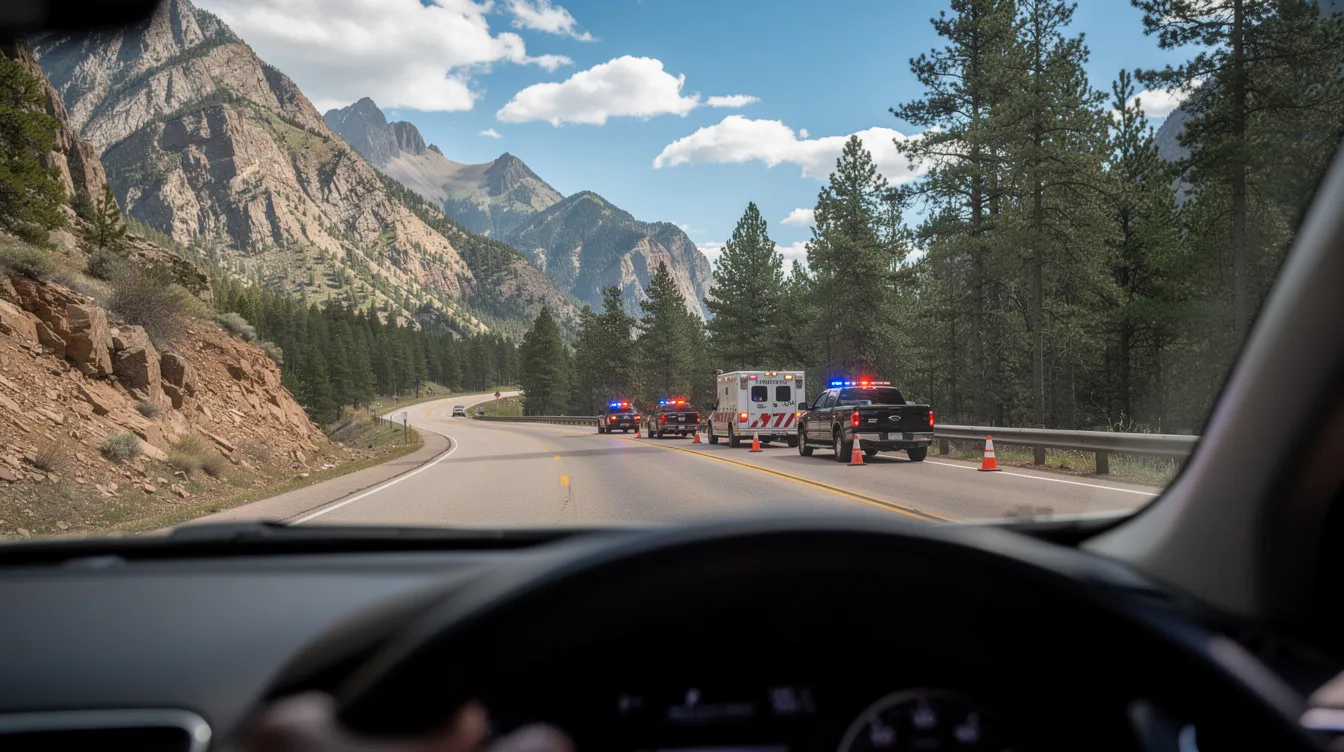
The National Highway Traffic Safety Administration has reported thousands of distracted-driving deaths nationwide, and Colorado continues tracking cell phone related crashes and injuries. In Colorado, there are approximately 42 distracted driving-related crashes every day, with the highest occurrence among drivers aged 21 to 30. Over a ten-year period from 2014 to 2024, distracted driving claimed the lives of 676 Coloradans.
Colorado’s Distracted Driving and Hands Free Laws
Colorado’s distracted driving rules changed significantly with Senate Bill 24-065, commonly called the colorado hands free law. Under current colorado law, adult drivers are generally prohibited from holding or manually using a phone or other mobile electronic device while driving. Holding or manually using a mobile electronic device while driving is illegal in Colorado, with penalties starting at a $75 fine and two points for a first offense.
Before 2025, colorado’s distracted driving laws treated many adult phone-use violations differently. As of December 31, 2024, adult drivers in Colorado can face a Class 2 misdemeanor traffic offense for texting while driving, which carries a fine of $300 and 4 points on their license for an initial violation. In Colorado, distracted driving is considered a secondary offense for adults, meaning police cannot pull someone over solely for texting or phone use; they must first observe another infraction.
Drivers under 18 are completely banned from using a cell phone or mobile electronic device for any reason while driving. Minor drivers in Colorado are completely prohibited from using a cell phone for any reason except in an emergency, risking immediate license suspension. The penalties for distracted driving in Colorado vary based on the driver’s age and the severity of the offense, with adult drivers facing fines and points on their license for violations.
Permitted conduct may include hands free devices, hands free technology, hands free mode, a hands free accessory, emergency calls, and device use while legally parked. But “hands free” is not automatically risk free. If a driver violates the hands free law and causes harm, the legal consequences can be serious. If a distracted driving violation results in physical injury or the death of another person, the offense is elevated to a Class 1 Misdemeanor Traffic Offense, carrying penalties of up to one year in jail and a fine of up to $1,000.
A ticket does not pay your medical bills. But evidence of distracted driving, such as a citation for violating hands-free laws, can strengthen a victim’s personal injury claim and help maximize compensation. A distracted driving citation can play a major role in a personal injury claim, as it may be used to support a claim of negligence against the distracted driver.
Why Distracted Driving Is So Dangerous
Taking your eyes off the road for just 5 seconds at 55 mph is equivalent to driving the length of a football field blindfolded. On I-25, U.S. 50, U.S. 160, or a two-lane road in Las Animas or Otero County, that distance can be the difference between a near miss and a catastrophic motor vehicle accident.
Texting while driving is especially dangerous because it combines visual, manual, and mental distraction. Research often cited in safety campaigns shows texting while driving increases your crash risk by up to 23 times. Studies show that using a mobile device while driving increases the risk of a crash by two to six times, particularly affecting vulnerable road users like pedestrians and bicyclists.
Drivers aged 20 to 39 represent the demographic most likely to be involved in fatal and injury-causing distracted driving accidents in Colorado. Young drivers and inexperienced drivers may be especially vulnerable to overconfidence, speed, and phone-related habits. Distracted driving is a leading cause of preventable car accidents because one glance away can cause rear-end crashes, intersection T-bones, rollovers, pedestrian impacts, and cyclist injuries.
How Distracted Driving Affects Fault and Negligence Claims in Colorado
In Colorado, distracted driving is considered a form of negligence, which can significantly impact the outcome of personal injury claims. To prove liability, an injured party must generally show that the other driver owed a duty of care, breached that duty by driving distracted, caused the crash, and caused damages such as medical expenses, lost wages, pain, and suffering.
Colorado uses a modified comparative negligence system. Under colorado’s comparative negligence law, an injured person may recover damages if they are less than 50% at fault, but compensation is reduced by that person’s percentage of fault. Insurance companies may argue the injured person was speeding, failed to signal, or reacted too slowly.
Proving that a driver was distracted at the time of a crash can significantly influence how fault is assigned in a personal injury claim, as it may establish negligence. A driver violates the law when they unlawfully hold a device, engage in manual data entry, or use a device in a prohibited way. That can support proving negligence, and in severe cases may also support arguments involving reckless conduct or gross negligence.
Even if police reports do not mention distraction, an accident caused by phone use can still be investigated. The at fault driver may deny claims, but a distracted driving case can be strengthened by phone data, witnesses, and expert analysis.
Proving the Other Driver Was Distracted
Most people do not admit they caused a crash by looking at a text. That is why early investigation matters. Johnston Law Firm may seek phone records, cell phone records, social media logs, vehicle data, police reports, and traffic camera footage to determine whether the crash was caused by distracted driving.
Key evidence may include:
-
Subpoenaed records showing calls, texts, or app activity at the moment of impact
-
The ability to subpoena cell phone records when legally appropriate
-
Witness statements from people who saw the other driver looking down, weaving, or holding a phone
-
Event Data Recorder information showing speed, braking, and steering input
-
Business security footage, dashcam video, and intersection camera footage
-
Accident reconstruction tying stopping distance, vehicle damage, and reaction time to distraction
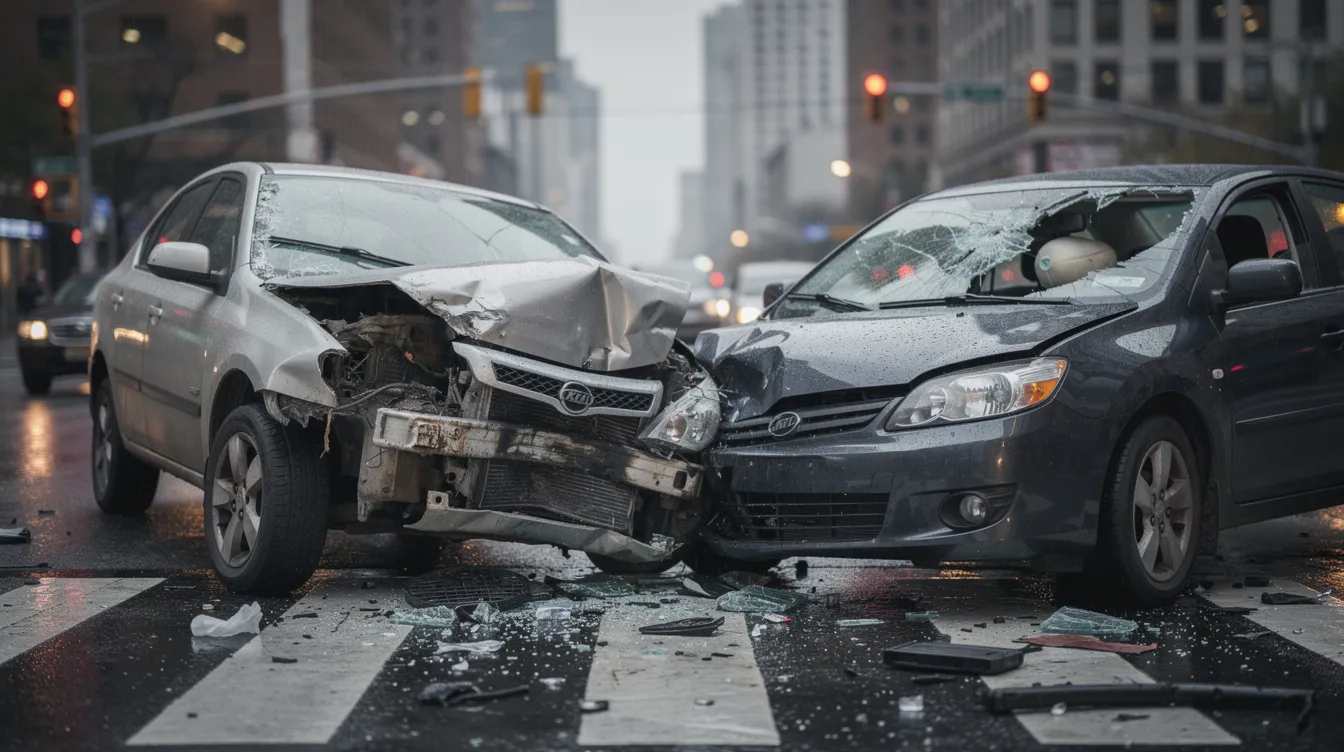
If you suspect the crash was caused by a distracted driver, call (719) 309-9484 or send us a secure message online . Evidence can disappear quickly.
Injuries and Losses After a Distracted Driving Accident
A distracted driving incident can cause whiplash, fractures, disc injuries, spinal cord damage, traumatic brain injuries, internal bleeding, surgical injuries, and wrongful death. Many victims suffered injuries that require immediate medical attention, emergency transport, therapy, and long-term care.
A Pueblo personal injury victim may seek compensation for:
|
Loss Type |
Examples |
|---|---|
|
Medical expenses |
ER care, surgery, imaging, therapy, medication |
|
Income losses |
lost wages and reduced earning ability |
|
Property damage |
Vehicle repair or replacement |
|
Human losses |
Pain, anxiety, sleep disruption, loss of enjoyment |
|
Fatal cases |
Wrongful death, funeral costs, family losses |
Seek medical attention the same day whenever possible. Medical records help connect your injuries to the distracted driving incident and protect your claim for maximum compensation.
What to Do Right After a Distracted Driving Crash in Colorado
First, get to safety if you can. Call 911, ask for a police officer, and request medical help. Do not assume you are fine; neck, back, and head injuries can worsen after adrenaline fades.
Document the scene with photos or video of vehicle positions, skid marks, traffic lights, weather, debris, injuries, and damage. If you saw a visible phone, navigation app, or device in the other driver’s hand or console, write that down. Get names and contact information for passengers and witnesses, and note any apology such as, “I was looking at my phone.”
Do not give a recorded statement to the other driver’s insurance company, sign a release, or accept a quick settlement before speaking with a Pueblo distracted driving accident attorney. For help from the beginning, contact Johnston Law Firm, LLC at (719) 309-9484 or use our online contact form .
How Johnston Law Firm, LLC Helps Distracted Driving Victims
Stephen M. Johnston is a Pueblo-based trial lawyer with more than two decades of experience handling personal injury and automobile accident cases throughout Colorado. His practice groups include workers’ compensation, personal injury, automobile accidents, estate planning, criminal law, and social security law.
Our legal team provides a free consultation, explains Colorado law in plain language, reviews potential claims and defenses, and outlines the legal process without pressure. We investigate distracted driving crashes, request records, review crash reports, interview witnesses, preserve video, consult experts, and negotiate with insurance companies.
If insurers refuse to offer fair compensation, Johnston Law Firm is prepared to file suit, conduct discovery, and take personal injury cases to trial when necessary. Our goal is holding negligent drivers accountable while helping clients seek justice and recover damages.
Serving Pueblo and Distracted Driving Victims Across Colorado
Johnston Law Firm is based in Pueblo and represents clients throughout Colorado, including Pueblo West, Colorado Springs, Otero, Fremont, Custer, Huerfano, Las Animas, and Crowley Counties. Distracted driving incidents happen on interstates, rural highways, local streets, and farm-to-market roads.
Because serious crashes can also affect employment, disability benefits, family finances, and estate planning, our broader practice areas allow us to spot related issues early. If you were hurt while working, commuting, or driving with family, call (719) 309-9484 or reach us through the firm’s secure contact form .
When to Call a Pueblo Distracted Driving Accident Lawyer
Call a lawyer as soon as possible after a distracted driving crash, especially before recorded statements, major settlement discussions, or disputed-fault arguments. Immediate legal representation is especially important when there are serious injuries, hospitalization, lost time from work, multiple vehicles, commercial vehicles, rideshare drivers, or signs of texting or drunk driving.
You may still have a claim even if the crash report is unclear or the driver was not cited. For a confidential review with Stephen M. Johnston, call (719) 309-9484 or message the firm online . There is no obligation and no up-front fee for most distracted driving personal injury and automobile accident claims.
Frequently Asked Questions About Colorado Distracted Driving Accident Claims
How does Colorado’s new hands free law affect my accident case?
If the other driver violated Colorado’s hands free law by holding or manually using a device, that violation can be strong evidence of negligence. A citation helps, but it is not required; attorneys can still use phone records, witnesses, camera footage, and experts.
Can I still recover compensation if I was also partially distracted?
Possibly. Under Colorado’s 50% modified comparative negligence rules, you can generally recover if you are less than 50% at fault. Any award is reduced by your percentage of fault, so it is important not to assume you have no case.
What if there is no ticket mentioning distracted driving on the police report?
A personal injury claim does not depend on the officer writing “cell phone use” or “distracted driving” in the report. Civil claims can rely on additional evidence gathered later, including phone data, video, and reconstruction analysis.
How long do I have to file a distracted driving injury lawsuit in Colorado?
Many Colorado motor vehicle accident injury claims have deadlines measured in years from the crash date, but deadlines can vary, especially if a government entity is involved. Evidence can disappear much sooner than the filing deadline, so call promptly.
How much does it cost to hire Johnston Law Firm for a distracted driving case?
Johnston Law Firm typically handles distracted driving personal injury and automobile accident claims on a contingency fee basis, meaning clients usually pay no attorney fee unless there is a settlement or verdict. To discuss your case, call (719) 309-9484 or contact the firm online .