Deposition For Car Accident – What Colorado Injury Claimants Should Expect
If you have a car accident lawsuit pending in Colorado, there is a strong chance you will be asked to sit for a deposition. The experience can feel intimidating, but understanding what happens during a car accident deposition and how to prepare for one can make all the difference in the outcome of your case.
This guide covers everything Colorado injury claimants need to know about the deposition process, from what questions to expect to how your testimony can shape settlement negotiations, mediation, and trial.
Key Takeaways
A car accident deposition is sworn, recorded questioning by the opposing attorney during a Colorado car accident lawsuit. It usually takes place in a conference room at an attorney's office in Pueblo, Colorado Springs, Denver, or a nearby county rather than a courtroom. During a deposition, witnesses provide testimony about the accident, injuries, and treatment, and a court reporter records every word for later use in the case.
You generally will not "win" your auto accident case at your deposition, but you can seriously damage it if you go in unprepared, give inconsistent answers, or try to guess at details you do not remember. Depositions can significantly influence settlement negotiations, and testimony quality during depositions directly affects case outcomes. Inconsistencies in deposition testimony can weaken a case in ways that are difficult to undo.
Attorney Stephen M. Johnston carefully prepares Pueblo and Colorado car accident clients for deposition by reviewing documents, revisiting the accident scene, and practicing responses to common "trick" questions about fault and injuries. He understands how depositions help attorneys refine trial strategies and witness selection and takes that same approach when preparing your case.
Johnston Law Firm, LLC offers a free consultation for Colorado car accident lawsuits. If you have a deposition scheduled or expect one soon, call (719) 309-9484 or message us online right away.
What happens after a car accident deposition—additional discovery, settlement discussions, mediation, or trial—depends heavily on how strong and consistent your deposition testimony turns out to be.
Colorado Car Accident Depositions: Why They Matter To Your Case
When a Colorado car crash claim cannot be settled informally with the insurance company, the injured party often has no choice but to file a personal injury lawsuit. Once the lawsuit is filed, the case enters the discovery phase, where both sides exchange documents and take sworn testimony.
This is where depositions play a central role. They are the primary tool attorneys use to evaluate credibility, pin down the facts, and build their strategy for settlement or trial.
In a car accident lawsuit, insurance defense lawyers use the plaintiff's deposition to test your story, lock in your answers, and look for ways to blame you under Colorado's comparative negligence rules. Every answer you give under oath becomes part of the permanent record and can be used against you later.
The defense attorney is not asking questions out of curiosity. They are seeking compensation reductions, fault assignments, and ammunition to minimize or deny your claim entirely.
Pueblo, Colorado Springs, and Denver insurers routinely request the plaintiff's deposition in significant auto accident cases involving surgery, permanent injury, or long-term lost income. If your car accident injuries required ongoing medical treatment, an independent medical examination, or resulted in work restrictions, expect a deposition notice.
Stephen M. Johnston's decades of trial and deposition experience across Colorado—including Pueblo, Otero, Fremont, Custer, Huerfano, Las Animas, and Crowley Counties—help clients anticipate defense tactics and avoid the mistakes that cost people money. He has seen every line of questioning insurers use, and he knows how to prepare you to handle it.
If you have received a deposition notice, call (719) 309-9484 immediately for guidance before you speak a single word under oath.
What Is A Car Accident Deposition In Colorado?
A car accident deposition is sworn, in-person or video testimony taken during the discovery process of a Colorado automobile accident case. It is recorded by a court reporter—and sometimes on video—typically months before trial.
Depositions are part of the discovery process in lawsuits and are governed by Colorado Rules of Civil Procedure Rule 30, which sets out how questions are asked, how objections are handled, and how long the examination can last. Deposition procedures can vary by jurisdiction, so working with an attorney who knows Colorado's specific rules matters.
Both the plaintiff and the defendant's legal teams use depositions to gather information, evaluate witness credibility, and shape their strategies for settlement negotiations and trial preparation. The injured driver, the at-fault driver, key eyewitnesses, and sometimes treating physicians or experts may all be deposed.
Testimony during a deposition can be used as trial evidence. Under Colorado Rule of Civil Procedure 32, deposition testimony can be read or played at trial if a witness changes their story or cannot appear. This makes accurate, truthful answers critical at every point.
Consider a typical Pueblo rear-end collision lawsuit: the injured driver is deposed about how the accident happened, the at-fault driver is deposed about whether they were distracted, and an eyewitness is deposed about what they saw. All of this sworn testimony feeds directly into mediation or trial.
Where Car Accident Depositions Happen And Who Attends
Depositions occur outside of court, often in attorney offices. A car accident deposition in Colorado usually takes place in a conference room at a law firm in Pueblo, Colorado Springs, Denver, or another convenient location—not in a courtroom. The setting is more informal than a trial, but the legal weight of your answers is the same.
Here is who is usually present:
-
You (the deponent)
-
Your Colorado car accident attorney
-
The defense attorney for the at-fault driver or insurance company
-
A court reporter who records the deposition testimony for later use
-
Sometimes an insurance company representative
-
Occasionally, a videographer
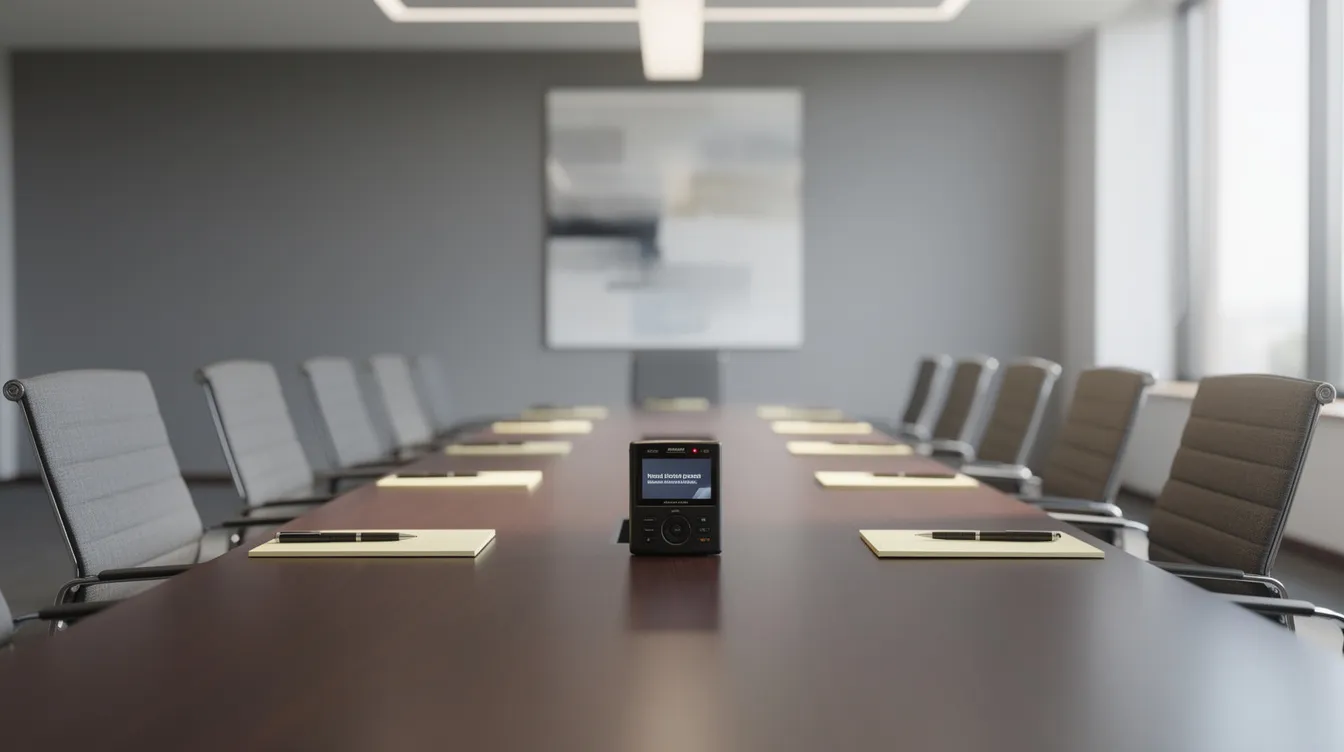
The typical sequence starts with an oath to tell the truth, followed by background questions, then accident details, injury and medical treatment questions, and questions about how the car crash has affected your personal relationships, work, and daily life.
In the post-COVID era, many Colorado car accident depositions are conducted remotely via Zoom or similar platforms, which still carry the same legal weight as in-person testimony.
Attorney Johnston will be seated beside you—or on video—throughout the deposition, ready to object to improper questions and help you take breaks as needed.
How A Car Accident Deposition Fits Into The Lawsuit Timeline
Here is how a car accident deposition typically fits into the legal process of a Colorado case:
-
Filing the complaint – Your personal injury attorney files the lawsuit.
-
Answer by defendant – The other driver's insurer responds.
-
Written discovery – Both sides exchange documents: police reports, medical records, wage information, photos of the accident scene, repair estimates, and witness statements.
-
Depositions – Both the plaintiff and the defendant, along with key witnesses, give sworn testimony.
-
Expert depositions – If needed, medical or accident reconstruction experts are deposed.
-
Mediation – A neutral mediator tries to help the parties reach a settlement.
-
Trial – If settlement fails, the case proceeds to a jury.
Depositions typically occur after both sides exchange documents. The deposition often becomes the turning point in a car accident case. After reading the deposition transcript, insurers reassess liability, credibility, and case value.
Depositions help attorneys refine trial strategies and determine which witnesses to call. Poor deposition testimony can reduce a settlement offer, increase comparative fault assigned to you, or convince the insurer to fight the case through trial. On the other hand, strong testimony can move the case toward early resolution.
Ninety-five percent of personal injury claims settle before trial, and the deposition is often what tips the scales.
Schedule a free consultation with Johnston Law Firm at (719) 309-9484 or send us a message online before your deposition date is set so preparation can begin early.
Common Topics And Questions In A Car Accident Deposition
While every car accident case is different, defense lawyers in Colorado tend to follow a scripted outline designed by insurance companies. The defendant's attorney will work through categories of questions meant to gather information and expose any weakness in your personal injury claim.
Personal Background Questions
You will likely be asked about your background, including:
-
Employment history
-
Driving record
-
Prior car accidents
-
Prior injuries
-
Workers' compensation claims
-
General medical history
Accident Details
Questions about the accident itself often cover:
-
Your route that day
-
Your speed
-
Traffic conditions
-
Weather conditions
-
Traffic control devices
-
Visibility
-
What you observed before, during, and after the collision
Actions at the Accident Scene
You may be asked about your actions immediately after the crash, such as:
-
Whether you took photos
-
If you spoke to the other driver
-
Whether you gave statements to police
-
If you called 911
-
Whether you moved vehicles
Vehicle Damage
Expect questions about:
-
Description of vehicle damage
-
Repair estimates
-
Whether the vehicle was totaled
Medical Treatment
The defense will also probe your medical treatment in depth, including:
-
Emergency room visits
-
Follow-up care
-
Physical therapy
-
Imaging such as X-rays and MRIs
-
Surgery recommendations
-
Whether you followed your doctors' orders for ongoing medical treatment
-
Medical bills and who paid them
-
Outstanding balances
Impact on Daily Life
You will likely be asked about how your injuries have affected your daily life, such as:
-
Pain levels
-
Daily restrictions (lifting, walking, sleeping)
-
Hobbies you can no longer enjoy
-
Work limitations
-
Changes in your personal relationships
Stephen M. Johnston routinely walks Pueblo and statewide clients through mock questioning sessions so they can practice responding to these lines of questioning calmly, accurately, and without volunteering more documentation or information than was asked for.
"Trick Questions," Fault, And Colorado Comparative Negligence
Defense attorneys in Colorado car accident cases do not ask neutral questions. They frame their questions to suggest you were partly at fault. Under Colorado's modified comparative negligence statute (C.R.S. § 13-21-111), your compensation is reduced by your percentage of fault. If you are found more than 50% at fault, your recovery is barred entirely.
This means every deposition question about your driving is designed to build a comparative fault argument.
Typical "trick" questions include:
-
"How fast were you going?" (hoping you guess a number that later conflicts with other evidence)
-
"Were you on your phone at the time of the accident?"
-
"You could have braked sooner if you had been paying closer attention, correct?"
-
"How far behind the other car were you?"
-
"Did you look both ways before entering the intersection?"
The defense attorney may also focus on "where you were looking" and how long you saw the other vehicle before impact, trying to show that a reasonably careful driver could have avoided the collision. They want you to agree to characterizations that support their version of events.
Johnston Law Firm trains clients to answer directly and honestly, use time and distance ranges instead of guesses, and never agree to unfair characterizations of their driving. If you do not know or cannot remember, say so—it is far better than speculating.
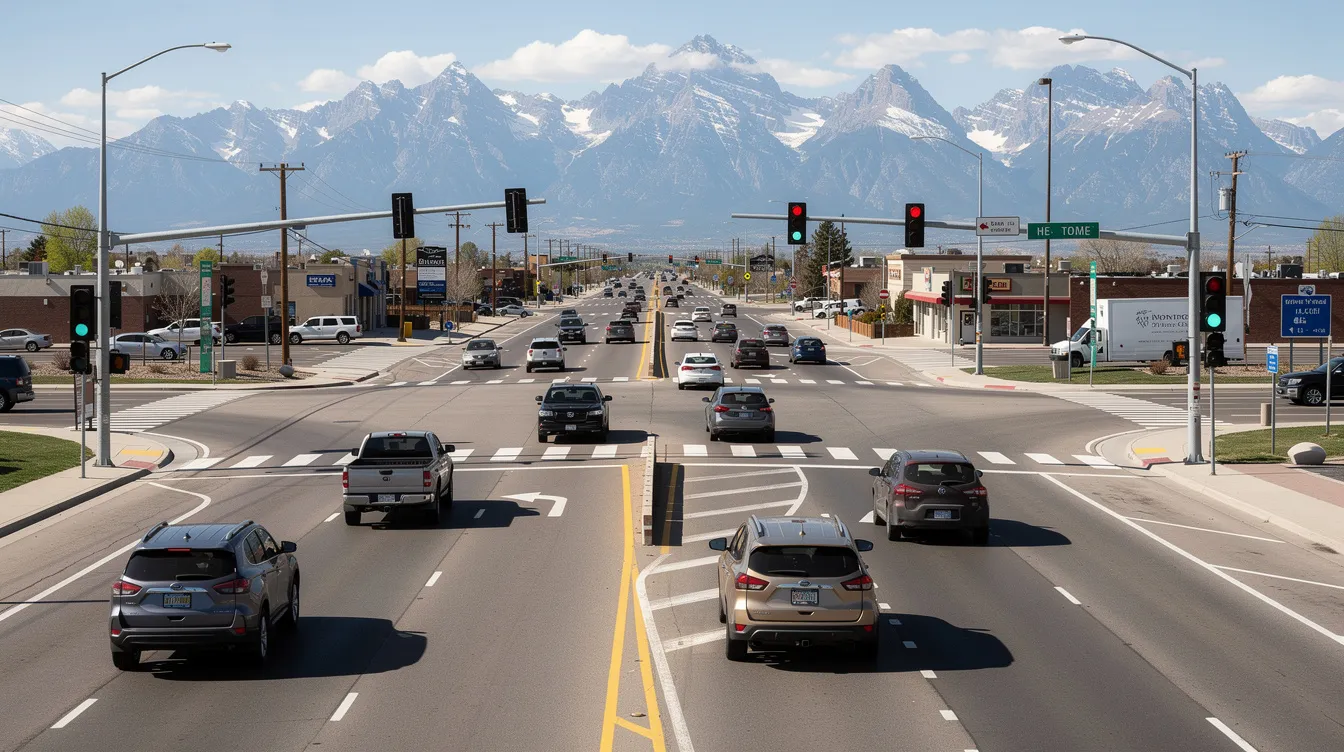
Consider a T-bone crash at a Pueblo intersection, such as Highway 50 and Outlook Boulevard. If the other driver ran a red light, careful deposition testimony about the color of the traffic signal, where you were looking, and the speed of the other vehicle can preserve your right-of-way and minimize claims of comparative fault. Vague or speculative answers can hand the defense exactly what they need.
Seeing Versus Noticing: Clarifying What You Observed
In many Colorado car accident depositions, the defense tries to blur the difference between "seeing" something in your peripheral vision and truly "noticing" a hazard with enough time to react. This distinction is important for both the plaintiff and the defense because it goes to whether you exercised reasonable care, especially those split-second moments before impact.
Questions like "You saw his truck before impact, didn't you?" can be misleading. Seeing something at the edge of your field of vision is not the same as having a deeper understanding that a collision is about to happen and having enough time to take evasive action.
Here is a concrete example: a driver on I-25 near Colorado Springs sees a pickup quickly merging into their lane a split-second before impact. There is perception, but no realistic reaction time. The defense may try to argue you should have moved or braked, but physics and human reaction time tell a different story.
Stephen M. Johnston helps clients explain this distinction clearly, often using diagrams, timelines, or references to the accident scene to show that the other driver left no safe escape route. Precise, careful language on this point can make it harder for defense experts to claim you were simply "not paying attention," providing clarity for the jury or mediator about what actually happened.
Injuries, Vehicle Forces, And Explaining "Invisible" Pain
Defense counsel often argues that low-speed crashes or "minor" vehicle damage cannot cause significant car accident injuries. They use deposition questions to minimize your pain and your need for medical care, suggesting that if the bumper barely dented, you could not have been seriously hurt.
Plaintiffs should be ready to explain the dynamics of what happened inside the vehicle:
-
Seating position at impact
-
Head and body movement
-
Whether they were turned or reaching for something
-
What parts of the body struck the seat, door, steering wheel, or console
Injuries like whiplash, disc herniations, concussions, shoulder tears, and knee damage are common in Colorado car crashes—even when bumpers and frames absorb much of the visible damage. The forces that pass through the vehicle cabin can cause real harm that does not show up on the outside of the car.
Johnston Law Firm coordinates with treating physicians and, when needed, experts to connect the mechanics of the crash forces to the actual medical findings and ongoing limitations. This expert testimony can significantly impact how the insurer values the claim.
Clients should not overstate or understate their symptoms. Consistent, medically grounded deposition testimony is far more persuasive to insurers and juries than exaggeration or minimization.
What Actually Happened Inside The Car?
Depositions often drill down into the details of what happened inside the vehicle at the moment the accident happened. The opposing attorney will ask whether airbags deployed, whether the seatbelt locked, and what interior structures the body may have contacted.
Concrete examples matter here:
-
Bruising from a shoulder belt across the chest or collarbone
-
Airbag burns on the hands or arms
-
Knee impact with the dashboard
-
Head contact with the headrest that later leads to neck stiffness and headaches
Many car accident victims initially focus only on the "big" injuries and forget to mention cuts, scrapes, or temporary symptoms that actually support the overall injury pattern and mechanism. Attorney Johnston reviews medical records and photos with clients before deposition so they can accurately describe these small but important details under oath.
It is perfectly acceptable in a deposition to say you are unsure about the exact direction of your body movement. Car crashes happen in a violent, split-second window. Honesty about uncertainty is far more credible than a fabricated play-by-play.
How Johnston Law Firm Prepares You For A Car Accident Deposition
Preparation at Johnston Law Firm is hands-on. It starts with reviewing all prior statements—police interviews, insurance adjuster calls, social media posts, and any recorded statements you may have given. Reviewing previous statements helps ensure consistency in testimony across different contexts.
This step is essential because the defense will compare every word you say in your deposition to everything you have said before.
Preparation for a deposition includes reviewing case documents such as medical records, the accident report from the Pueblo Police Department, Colorado State Patrol, or other responding agency, and any photos or diagrams of the scene. The firm may suggest revisiting or virtually reviewing the accident scene—intersections, rural highways, construction zones—to refresh your memory of traffic signals, lane markings, speed limits, and landmarks.
Attorney Johnston conducts mock deposition sessions, asking common and challenging questions so you learn to pause, think, and answer truthfully without volunteering extra information. Lawyers practice mock depositions with clients to prepare for different questioning styles, especially those designed to trip you up on fault or prior injuries.
Clients are also coached on practical matters:
-
Get plenty of rest the night before your deposition
-
Dress neatly but comfortably
-
Arrive early
-
Take breaks when you need to regroup
-
Review all relevant documents before your deposition
-
Practice your answers with your lawyer beforehand

If you have a deposition scheduled in Pueblo, Colorado Springs, or elsewhere in Colorado, call (719) 309-9484 or contact us online for focused deposition preparation.
What To Do And Not Do During Your Deposition
This is where most car accident cases are won or lost. Here are the rules that matter:
Best Practices During Your Deposition
-
Listen carefully to every question before answering. If you do not understand a question, witnesses can ask for clarification.
-
Answer only the specific question asked. Witnesses should keep answers short and only address what was asked.
-
Always tell the truth during your deposition under oath. There is no substitute.
-
Control the pace of your deposition by taking your time. You are not in a race.
-
Witnesses can take breaks during a deposition if needed. Ask for one whenever you feel fatigued or overwhelmed.
-
Use phrases like "approximately," "as best I remember," or "I'm not certain" when your memory is incomplete.
Mistakes to Avoid
-
Witnesses should not guess or speculate when answering questions during a deposition. If you do not know, say "I don't know."
-
Do not volunteer information beyond what was asked. Stray comments can be taken out of context in a personal injury case.
-
Do not argue with the opposing counsel. Stay calm, even if the questions feel unfair.
-
Do not make jokes or treat the deposition casually. Everything is on the written transcript.
-
Do not post about your accident, injuries, or deposition on social media before or after the proceeding. The defense attorney routinely checks public profiles.
Your car accident attorney can object or ask for clarification during the deposition, but cannot tell you what to say. Your responsibility is to tell the truth and remain calm.
How Long A Car Accident Deposition Takes And What Happens After
A deposition typically lasts from one hour to a full day, depending on the complexity of the issues. Simple Pueblo fender-bender depositions may last 60 to 90 minutes, while serious injury or wrongful death depositions can run several hours or even be continued to another day.
Colorado's rules generally limit a non-expert deposition to six hours in one day under CRCP 30(d)(2).
After the deposition, the court reporter prepares a written transcript. Attorneys review it line by line, and you may be asked to review and sign the transcript or note any corrections within a set time frame.
Insurance companies review deposition transcripts to reassess claims. Settlement negotiations may begin immediately after depositions. Strong, consistent deposition testimony often leads insurers to increase settlement offers, schedule mediation, or seek early resolution. Weak or inconsistent testimony typically has the opposite effect and can significantly impact your case value.
Stay in close contact with Johnston Law Firm after your deposition so you understand the implications of your testimony and the next steps in your Colorado car accident lawsuit.
Additional Discovery, Mediation, Settlement, And Trial After Deposition
Depending on how the deposition goes, depositions can lead to additional discovery requests. The defense may seek more medical records, wage documentation, accident reconstruction analysis, or an independent medical examination by an insurer-chosen doctor.
If new issues surface during your testimony, expect the other side to file motions or request more documentation.
After key depositions, many Colorado car accident cases move to mediation—a confidential settlement conference with a neutral mediator. Mediation may occur to resolve disputes after depositions, and parties understand it as an opportunity to settle without the expense and uncertainty of trial.
If mediation fails, settlement negotiations may continue informally, or the case may be set for trial in Pueblo County District Court or another Colorado court. Only a small percentage of most car accident cases actually go to trial—about 95% of personal injury claims settle before trial—but Johnston Law Firm prepares every case with trial in mind so insurers know the firm will present evidence to a jury if it is in your best interest.
Discuss what may happen after your deposition by calling (719) 309-9484 or using the firm's online contact form for a free consultation.
Why Work With Johnston Law Firm, LLC On Your Colorado Car Accident Case
Stephen M. Johnston has been a Pueblo-based trial lawyer representing injured Coloradans since 2002. His practice covers personal injury, automobile accidents, workers' compensation, social security disability, criminal defense, and estate planning.
The law firm has handled thousands of matters and over 1,500 successful cases, representing clients from Pueblo, Pueblo West, Colorado Springs, and across Colorado, including Otero, Fremont, Custer, Huerfano, Las Animas, and Crowley Counties.
When your personal injury case requires someone who understands the discovery phase, trial preparation, and everything in between, Johnston Law Firm has the experience to handle it.
Key features that set the firm apart:
-
Free consultations for car accident victims
-
Contingency-fee representation in most car accident lawsuits—no attorney fee unless there is a recovery
-
Regular communication and clear explanations of each step, including depositions and trial
-
Understanding of how car accident injuries can intersect with workers' compensation, criminal traffic charges, or estate planning needs
Protect your rights before a deposition. Contact Johnston Law Firm at (719) 309-9484 or reach out online today.
Scheduling A Free Consultation Before Your Car Accident Deposition
Anyone injured in a Colorado car accident—whether in Pueblo, Colorado Springs, Denver, or a rural county—should speak with a personal injury attorney before agreeing to a deposition, signing releases, or giving recorded statements to insurance adjusters.
Here is how to get started:
-
Call(719) 309-9484 to speak directly with Johnston Law Firm.
-
Or use the secure online form at this link to request a callback.
During the free consultation, the firm will review the basics of your car crash, discuss upcoming deadlines including Colorado's three-year statute of limitations, explain what to expect in the deposition process, and outline how the firm can help prepare and protect you.
There is no obligation and no attorney fee for the initial consultation. Most Colorado car accident cases are handled on a contingency fee basis.
Act promptly. Evidence can fade, witnesses can move, and depositions may be scheduled quickly once a lawsuit is filed. Do not wait until the week before your deposition to look for help.
Frequently Asked Questions About Car Accident Depositions In Colorado
Will I have to attend more than one deposition in my car accident case?
Most Colorado plaintiffs only give one deposition in their car accident lawsuit. In rare, complex cases—such as multi-vehicle pileups or catastrophic injuries—a second session may be requested if time ran short or new evidence surfaced.
Additional depositions require court approval if one side objects, and Johnston Law Firm evaluates whether a follow-up deposition is appropriate or can be limited through a protective order.
Can the defense lawyer ask me about old injuries or prior accidents?
Yes. Defense attorneys frequently explore prior injuries, workers' compensation claims, or earlier car crashes to argue that your current pain is "pre-existing."
Your car accident attorney will help you answer questions about your medical history accurately without letting the defense mischaracterize what happened. Honesty about prior conditions actually strengthens your credibility and helps show how the recent Colorado car crash worsened your health rather than caused it from scratch.
Do I have to take time off work to attend my deposition?
Depositions are usually scheduled during business hours, so many clients do need to coordinate time off with employers. Courts and lawyers try to accommodate work schedules when possible.
For some Pueblo and Colorado Springs clients, remote video depositions may be arranged to reduce travel time, and Johnston Law Firm works to minimize disruption to clients' jobs and daily routines.
What happens if I realize after my deposition that I misspoke?
Contact Johnston Law Firm immediately if you believe an answer was incorrect or incomplete. In many situations, corrections can be made when reviewing and signing the deposition transcript, or the issue can be explained at trial.
It is far better to acknowledge and correct an honest mistake than to let the defense portray it as dishonesty later in the car accident case. Performing security verification of your own testimony after the fact is a normal and expected part of the process—verification successful corrections protect your credibility rather than undermine it.
Will my car accident case automatically settle after my deposition?
There is no automatic settlement. Some Colorado car accident lawsuits resolve within weeks of key depositions, while others continue through additional discovery, mediation, and sometimes trial.
After reviewing the deposition transcript, Johnston Law Firm will discuss realistic timelines and settlement options based on the strength of your testimony and the insurer's response. A respond ray id from the insurance company with a new settlement offer is common after a strong deposition, but not guaranteed.
What matters most is that your testimony was truthful, consistent, and well-prepared—protection against malicious bots of misinformation the defense might try to inject into your case through a security service of procedural tricks and misleading characterizations.