Colorado Workers Comp Claims by Industry: Differences in Construction, Oil & Gas, and Warehouse Injuries
Quick Answers: Do Colorado Workers’ Comp Rules Change by Industry?
Colorado workers compensation laws apply statewide, but how injuries happen and how claims are handled can look very different depending on whether you work in construction, oil & gas, or a warehouse. The same statute governs all injured workers, yet the practical realities of pursuing a workers compensation claim vary dramatically based on your industry.
Johnston Law Firm, LLC in Pueblo helps injured workers in these high-risk industries across Colorado—including Otero, Fremont, Custer, Huerfano, Las Animas, and Crowley Counties—understand and pursue their rights under colorado workers comp law.
Here’s what you need to know about how colorado workers comp claims by industry actually differ in practice:
Construction claims often involve falls from heights, equipment strikes, and multi-employer job sites where figuring out who should carry workers compensation insurance becomes complicated.
Oil & gas claims frequently involve remote locations, explosions, chemical exposure, and disputes about whether independent contractors are covered.
Warehouse claims often center on lifting injuries, repetitive motion disorders, and forklift or pallet jack collisions.
Ready to discuss your case? Call Johnston Law Firm, LLC at (719) 309-9484 or message us online for a free, confidential workers’ comp consultation. Don’t wait—the sooner you act, the better protected your benefits will be.
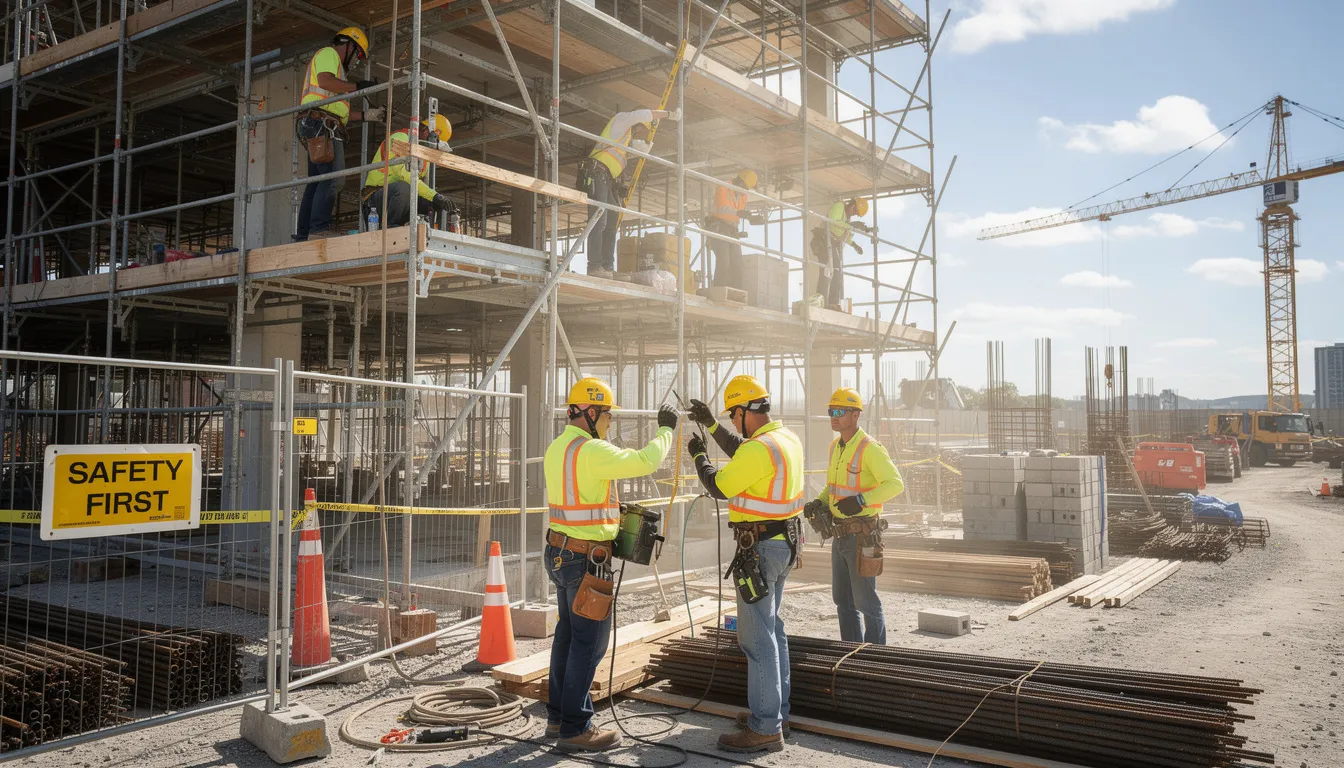
Overview of Colorado Workers’ Compensation Law
The Colorado Workers’ Compensation Act establishes a no-fault system covering most employees who are injured in the course and scope of their employment, regardless of industry. The Act specifically states that only injuries arising out of and occurring in the course of employment are eligible for benefits. Injuries sustained during personal errands or breaks are generally excluded from coverage, so it is important that the injury happens while performing work-related duties.
Workers' compensation covers specific accidents and occupational diseases, such as carpal tunnel syndrome and chronic obstructive pulmonary disease.
Nearly all Colorado employers must carry workers compensation insurance. This includes construction companies, oilfield service companies, drilling contractors, refineries, warehouses, and distribution centers. The colorado department of Labor and Employment, through the division of workers compensation (DOWC), administers this system and ensures employers meet their obligations.
Basic Eligibility Requirements
To qualify for colorado workers compensation, your situation generally must meet these criteria:
Your injury or occupational disease must arise out of and occur in the course of employment
You must report the injury to your employer within 10 working days (though late reports should still be made—don’t assume you’ve lost your rights)
A formal workers compensation claim (WC15 form) must typically be filed within 2 years of the injury or last benefit payment
Major Benefit Categories
Colorado law provides several types of benefits for injured employees. Workers' compensation benefits in Colorado can include medical care, lost wages, and permanent disability compensation:
Benefit Type | What It Covers |
|---|---|
Medical Care | Authorized treatment, surgeries, physical therapy, medications, x rays, and diagnostic tests |
Temporary Disability | Compensation for lost wages when you cannot work or are on reduced hours, based on your average weekly wages |
Permanent Disability | Compensation for lasting impairment after you reach maximum medical improvement |
Disfigurement | Payment for visible scars, burns, or amputations |
Death Benefits | Support for surviving dependents, including burial expenses |
Steve Johnston also handles related issues that often arise from serious injuries on the job—including personal injury claims, automobile accidents involving work vehicles, Social Security law matters, and estate planning after catastrophic or fatal incidents.
Even though the statute is the same statewide, risk factors and proof issues are very different at a Pueblo-area construction site, an oilfield in southern Colorado, or a large warehouse and distribution hub.
Common Colorado Workers’ Comp Benefits Explained
Injured workers in construction, oil & gas, and warehouse jobs are entitled to the same types of workers compensation benefits under colorado law. Employers are legally required to provide workers with necessary medical treatment and wage support after a work-related injury.
Colorado law also mandates that employers reimburse their injured employees for reasonable medical expenses.
However, how those benefits are calculated—and how aggressively insurers dispute them—can differ significantly by industry.
Key Benefit Categories
Medical Benefits
Colorado workers who are injured on the job are entitled to medical treatment through an authorized treating physician (ATP). This includes surgeries, ongoing treatment, physical therapy, medications, and diagnostic tests. In emergency care situations, you can go to the closest hospital, but for non-emergencies, you typically must choose from designated medical providers on your employer’s list.
Temporary Total Disability (TTD)
When a workplace injury keeps you completely off work for more than three days, you may be eligible for TTD. This wage replacement benefit pays approximately two thirds of your average weekly wage, subject to state maximum rates set by the division of workers compensation each fiscal year.
Temporary Partial Disability (TPD)
If you return to light duty at reduced pay while recovering, TPD provides partial lost wage benefits to help bridge the gap.
Permanent Partial Disability (PPD)
After you reach Maximum Medical Improvement (MMI), a physician will assign a permanent impairment rating. PPD benefits compensate you for lasting physical limitations based on scheduled (specific body parts) or non-scheduled (whole person) impairment ratings.
Permanent Total Disability (PTD)
In catastrophic cases where you cannot perform any work in any reasonable employment, you may qualify for lifetime PTD benefits.
Disfigurement Benefits
Visible scars, burns, or amputations—common in construction and oil & gas work—may entitle you to additional compensation.
Death Benefits
When a work injury results in death, surviving spouses and dependents may receive benefits, including burial expenses.
Why Disputes Are Common in Heavy Industries
In construction, oil & gas, and warehouse environments, insurance carriers often dispute whether ongoing treatment, surgeries, or work restrictions are truly “necessary.” They may claim that not all injuries are work-related, especially when pre-existing conditions exist. Having an experienced workers compensation attorney in your corner can make the difference between getting the medical care you need and being cut off prematurely.
Concerned about whether your insurance company is paying everything you’re owed? Call Johnston Law Firm, LLC at (719) 309-9484 or message us online to have Steve Johnston review your claim under Colorado law.
Construction Industry Injuries and Workers’ Comp Claims
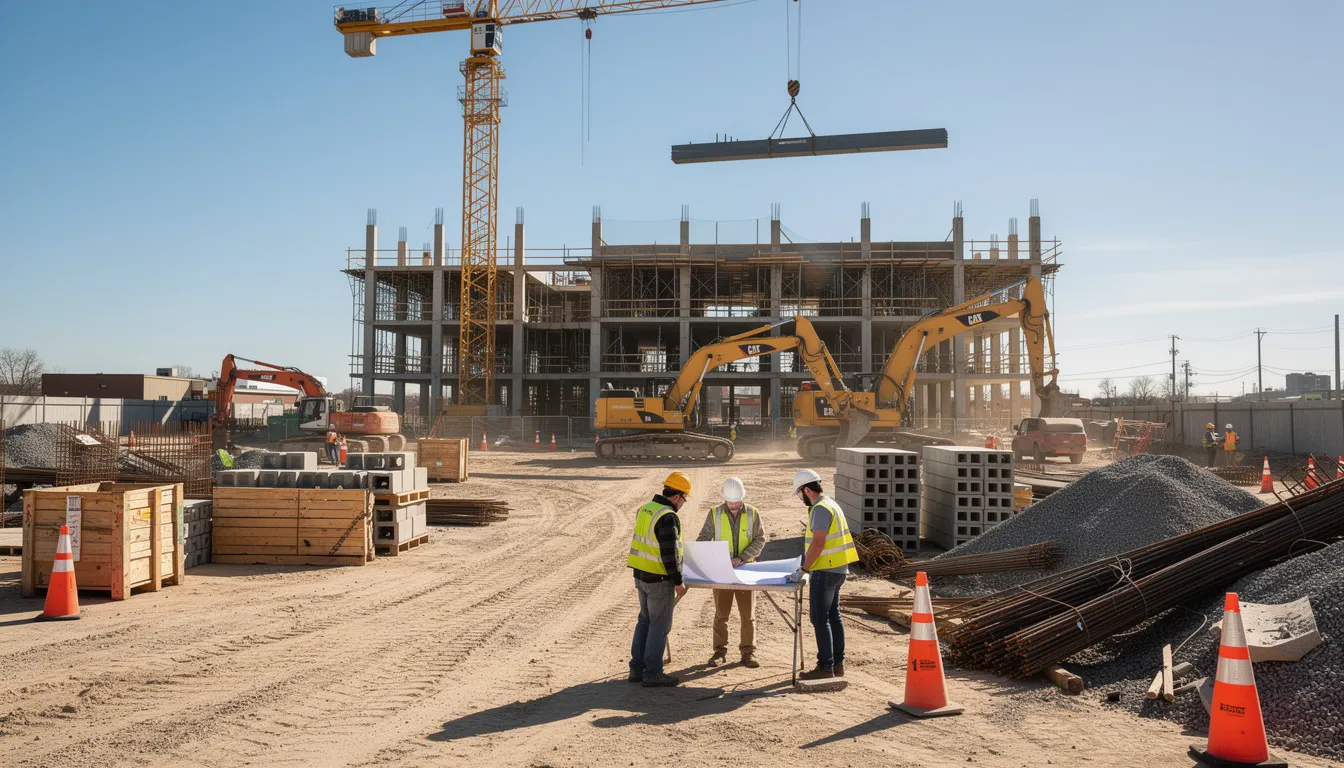
Pueblo and southern Colorado rely heavily on construction work—road building, commercial projects, and residential developments across Otero, Fremont, and Huerfano counties. These job sites have some of the highest injury rates in the state, with construction workers facing falls, equipment failures, and hazardous conditions daily.
Common Construction Accident Scenarios
Construction sites present unique hazards that lead to serious injuries:
Falls from heights – scaffolding, ladders, roofs, and unfinished structures account for a significant percentage of construction claims
Struck-by injuries – falling tools, materials, or equipment can cause traumatic brain injuries, fractures, and fatalities
Heavy machinery accidents – cranes, excavators, skid steers, and loaders create crush risks for workers nearby
Trench collapses – excavation cave-ins can be fatal within minutes
Electrical shocks and burns – contact with live power lines or improper lockout/tagout procedures cause severe injuries
Repetitive lifting injuries – moving concrete forms, rebar, and heavy materials leads to chronic back and joint problems
According to data from Pinnacol Assurance, Colorado’s largest workers’ comp insurer, strains account for over 30% of claims statewide, with falls representing approximately 20%. In construction specifically, falls and struck-by incidents dominate, with average claim costs exceeding $90,000 when medical and indemnity payments are combined.
Construction-Specific Claim Complexities
Construction claims often involve complications that don’t occur in other industries:
Multiple employers and subcontractors on a single site can make it unclear who is responsible for coverage
Misclassification of workers as independent contractors to avoid paying workers compensation insurance premiums is common
Third-party liability claims may exist against general contractors, property owners, or equipment manufacturers in addition to the workers’ comp claim
Steve Johnston’s background in workers’ compensation, personal injury, and automobile accidents allows him to evaluate both the comp claim and any potential third-party liability when a construction vehicle or negligent subcontractor is involved.
Real-World Examples
Consider a roofer working on a residential build in Otero County who falls from a two-story home and needs back surgery. His claim must navigate questions about whether safety equipment was provided, whether a subcontractor or general contractor is liable, and whether ongoing treatment including physical therapy will be authorized. Without legal help, he might accept an early settlement that doesn’t account for his future medical needs.
Or imagine a concrete worker in Fremont County struck by a piece of falling rebar, suffering a serious head injury. The insurance carrier might argue the worker wasn’t wearing a hard hat properly, attempting to reduce benefits. An experienced attorney can fight back against these tactics.
Injured on a construction site anywhere in Colorado? Call Johnston Law Firm, LLC at (719) 309-9484 or message us online. We’re here to help you get the benefits you deserve.
Oil & Gas and Energy-Sector Workers’ Comp Claims
Colorado’s oil & gas and energy industry includes drilling rigs, pipeline work, compressor stations, and refinery or plant operations. Much of this work takes place in remote areas of the state, including rural Otero, Crowley, and Las Animas counties. The hazards are extreme, and colorado workers in this sector face injury rates two to three times the state average.
Frequent Oil & Gas Injury Types
Energy-sector employees working on rigs and at well sites face unique dangers:
Explosions and fires causing severe burns, smoke inhalation, and fatalities
Equipment failures on rigs (rotary tables, drawworks, winches) causing crush injuries and amputations
High-pressure line failures and blowouts that can eject workers or equipment violently
Vehicle crashes involving crew trucks, water trucks, and service rigs traveling to and from remote well sites
Toxic chemical exposure including hydrogen sulfide (H2S) and other hazardous gases leading to acute or chronic illness
Overexertion and repetitive trauma from long shifts, manual handling of drill pipe, and heavy tools
Average claim costs in oil and gas exceed $120,000, driven by the need for specialized trauma care, burn units, and lengthy rehabilitation. Labor statistics show that oilfield workers face some of the highest fatality rates of any industry.
Industry-Specific Claim Challenges
Oil and gas claims present complications that require medical care and legal knowledge:
Complex corporate structures (operator, drilling contractor, service companies) may obscure who is the actual employer for workers’ comp purposes
Remote location accidents raise questions about whether travel to and from the site is covered as “course and scope of employment”
Long-term occupational diseases (chemical exposure, hearing loss, lung conditions) may not be obvious immediately and require strong medical proof to file a workers compensation claim
Under colorado workers compensation laws, travel in company vehicles or crew trucks typically falls within coverage, but standard commuting may not. If you’re injured while riding to a remote well site in a company-provided vehicle, that injury likely qualifies. If you were driving your personal vehicle to report for a shift at a fixed location, the analysis becomes more complicated.
Steve Johnston also handles related auto accident and personal injury claims that may arise from oilfield traffic crashes, coordinating them with the workers’ comp claim to maximize recovery.
Hurt on a drilling rig or at a remote oilfield site? Contact Johnston Law Firm at (719) 309-9484 or message us online as soon as possible. Early legal help can preserve critical evidence and protect your income.
Warehouse, Distribution, and Industrial Facility Injuries
Colorado’s growing logistics and warehouse sector—from Pueblo West to Front Range distribution hubs—poses repetitive and acute physical risks. While these injuries may not look as dramatic as construction or refinery accidents, they can be just as life-altering for the employees working long shifts on their feet.

Common Warehouse and Industrial Injuries
Warehouse workers face hazards that accumulate over time or happen suddenly:
Forklift and pallet jack collisions causing crush injuries, fractures, and internal damage
Slip, trip, and fall accidents on slick floors, loading docks, or cluttered aisles
Overexertion and back injuries from repeated lifting, stacking, and loading trucks
Repetitive stress injuries (tendonitis, carpal tunnel) from scanning, packing, and assembly line work duties
Struck-by accidents from falling boxes, pallets, or racking materials
Hearing damage and respiratory problems from noisy facilities and dust or chemical exposure
Data shows warehouse injury rates hit approximately 5.5 per 100 workers, compared to construction’s 3.8—though warehouse claims tend to be less severe individually. Average costs run between $40,000 and $60,000, with treatment focused heavily on physical therapy and conservative medical care.
Claim Issues Specific to Warehouse Work
Warehouse claims have their own complications:
Employers may treat repetitive motion injuries as “minor soreness” and discourage first report of injury, which can hurt claims later
Light-duty or modified-duty offers are common and may affect temporary disability benefits if turned down
Surveillance by insurers is more common in large, self-insured facilities that aggressively investigate claims
Documentation matters tremendously in warehouse cases. Detailed records of job duties, time spent on specific tasks, and ergonomic conditions can be crucial to proving repetitive trauma and cumulative injuries that occur gradually rather than in a single accident.
Many warehouse workers in Pueblo and surrounding counties are hourly employees who cannot afford long periods off work. Workers’ comp wage benefits are meant to fill this gap—but insurers often underpay or deny claims without legal help. You may be eligible for lost wage benefits even while receiving some reduced pay on light duty.
Injured at a warehouse or distribution center? Call (719) 309-9484 or message us online to review whether your injury should be treated as work-related and compensable under colorado law.
Differences in Claim Handling and Disputes by Industry
While the legal standards are the same across the workers compensation system, insurers and employers handle claims differently in construction, oil & gas, and warehouse environments. Understanding these differences can help you anticipate what’s coming and respond effectively.
Industry-Specific Dispute Patterns
Industry | Common Disputes |
|---|---|
Construction | Coverage disputes about who the employer is; independent contractor misclassification; finger-pointing between subcontractors; third-party liability questions |
Oil & Gas | Whether travel time and remote-location incidents are covered; severity and cause of chemical exposure or hearing loss; disputes over occupational disease claims |
Warehouse | Whether injuries are truly work related injuries; pre-existing condition defenses; delayed reporting challenges; repetitive motion causation |
Common Insurer Tactics
In heavy industries, insurance carriers may be quicker to push for early MMI (Maximum Medical Improvement) and to minimize permanent impairment ratings—particularly for back, neck, and joint injuries that limit heavy labor. Watch for these tactics:
Sending workers to company-friendly doctors who minimize injuries
Disputing the need for surgery or specialist care and only authorizing minimal medical treatment
Claiming that non-work activities or prior injuries are the “real” cause of current symptoms
Pressuring workers to return to physically demanding jobs before they are medically ready
Offering quick settlements before the full extent of permanent partial disability is known
How the Same Injury Gets Treated Differently
Imagine three workers—a roofer, a roughneck, and a warehouse picker—all suffering similar lumbar disc herniations requiring surgery.
The roofer’s claim might involve disputes about which subcontractor’s insurance is responsible and whether fall protection equipment was provided. The roughneck’s claim could face questions about whether the injury happened during compensable travel to a remote rig site. The warehouse picker’s claim might be challenged on whether years of lifting actually caused the disc problem or whether it was a pre-existing condition unrelated to employment.
Same injury, same state law—but very different battles.
Steve Johnston’s experience across workers’ compensation, personal injury, auto accidents, and Social Security law allows him to see the big picture and push back against these industry-specific tactics on behalf of Pueblo-area workers.
Reporting, Medical Treatment, and Deadlines After a Work Injury
Workers in all three industries must follow the same basic Colorado reporting and treatment rules. However, hectic job sites, 12-hour shifts, and pressure from supervisors often cause dangerous delays that can harm your claim later.
Key Reporting and Treatment Steps
Report the injury in writing to a supervisor or employer as soon as possible, ideally within 10 working days. Notify your employer even if you think the injury might heal on its own.
In an emergency, seek medical treatment immediately—go to the nearest ER or closest hospital without delay, then notify your employer as soon as you are able.
For non-emergencies, choose an authorized treating physician from your employer’s designated medical providers list (usually within 7 days of reporting).
Keep copies of everything—incident reports, medical records, and work restrictions. In fast-moving construction and industrial environments, paperwork gets lost quickly.
Critical Follow-Up Steps
Attend all scheduled appointments and physical therapy sessions
Honestly describe all job duties and prior injuries to medical providers (inconsistencies can create credibility disputes)
Ask questions when you don’t understand a release back to full duty or a determination of MMI
Don’t sign anything from the insurance company without understanding what you’re agreeing to
Deadline Concepts You Must Know
Deadline Type | Timeframe |
|---|---|
Report to employer | 10 working days (strongly recommended) |
File formal claim (WC15) | 2 years from injury or last payment |
Object to final admission of liability | Varies—consult an attorney |
Reopen closed claim if condition worsens | Time-limited—act quickly |
Shift work and long hours in oil & gas and warehouse operations often cause injured employees to “tough it out,” only to face denial later because the incident wasn’t documented promptly. If you waited to report or sought outside medical care before telling your employer, that doesn’t necessarily mean you’ve lost your rights—but you need to act now.
Unsure if you followed the rules correctly? Call (719) 309-9484 or message us online so Johnston Law Firm can review the timeline and advise how best to protect your rights, even if mistakes were made early on.
When a Work Injury Overlaps with Other Legal Issues
Serious work related injuries in construction, oil & gas, and warehouses frequently intersect with other areas of law that Steve Johnston handles. Coordinating strategy across multiple legal issues is critical to protecting your interests and maximizing your recovery.
Overlap Scenarios
Automobile Accidents
Company truck or delivery vehicle crashes during work may create both a workers’ comp claim and a personal injury/auto accident claim against a negligent driver. This is especially common in oil & gas when crew trucks are involved in highway accidents, or in warehousing when employees working as delivery drivers are rear-ended.
Third-Party Liability
Unsafe equipment, negligent subcontractors, or dangerous property conditions may allow a separate personal injury lawsuit while workers’ comp covers medical bills and lost wage replacement. Unlike workers’ comp, third-party claims can include compensation for pain and suffering.
Criminal Law
Job-site altercations, DUI allegations in work vehicles, or alleged misconduct at work may affect both employment status and criminal exposure. Having an attorney who understands both sides can help you navigate these situations without making statements that hurt your workers’ comp case.
Social Security Disability
Severe injuries that prevent any substantial gainful employment may require pursuing SSDI or SSI benefits alongside long-term comp claims. There can be offsets between workers’ comp permanent total disability and Social Security benefits that require careful coordination.
Estate Planning
In catastrophic or fatal cases, wills, trusts, and beneficiary planning may be needed to protect family members who depend on the injured or deceased worker. Death benefits for surviving dependents must be properly claimed and distributed.
Why an Integrated Approach Matters
Consider a warehouse worker from Las Animas County who is rear-ended while driving a company box truck, suffering severe spinal injuries. That worker may have:
A workers’ compensation claim for medical care and wage replacement
A personal injury claim against the at-fault driver
A potential unemployment benefits issue if laid off during recovery
A future Social Security disability claim if unable to return to work
Having a single attorney who understands workers’ compensation, personal injury, auto accidents, criminal defense, Social Security disability, and estate planning simplifies decision-making and avoids conflicting legal strategies. Injured workers and their families should not try to juggle multiple complex cases alone.
How Johnston Law Firm Helps Injured Workers in Pueblo and Across Colorado
Johnston Law Firm, LLC focuses on helping individual workers—not insurance companies—throughout Colorado, with an office based in Pueblo. Steve Johnston understands that most injured workers are hardworking people who have never needed a lawyer before and are overwhelmed by the workers compensation system, the paperwork, and the pressure from employers and insurers.

How We Assist Injured Workers
Johnston Law Firm helps workers in construction, oil & gas, and warehouse claims by:
Investigating the accident, gathering witness statements, and preserving job-site evidence before it disappears
Identifying the correct employer and insurance carrier when multiple companies are involved
Challenging improper denials, disputed medical treatment decisions, and low impairment ratings
Coordinating workers’ comp with potential third-party claims, auto accident cases, Social Security disability applications, and estate planning matters
Representing workers at hearings before the Office of Administrative Courts and in settlement negotiations
Who We Serve
Johnston Law Firm serves workers in Pueblo, Pueblo West, Otero, Fremont, Custer, Huerfano, Las Animas, Crowley, and communities throughout Colorado. We are familiar with the rural and industrial areas where construction sites, oilfields, and distribution centers provide jobs—and create risks—for thousands of colorado workers.
Whether you need help with a single workers’ comp claim or have overlapping issues involving personal injury, automobile accidents, estate planning, criminal law, or Social Security law, Steve Johnston can provide guidance across all six of his key practice areas.
Take the Next Step
There are strict deadlines in Colorado workers’ comp cases. Contacting an experienced Pueblo workers compensation attorney early can make the difference between a denied claim and the benefits you need to rebuild your life.
Call Johnston Law Firm, LLC at (719) 309-9484 for a free consultation about your Colorado workers’ compensation claim.
Prefer to start the conversation in writing or outside normal business hours? Send a confidential message through our online contact form.
Don’t wait until deadlines pass or benefits are denied. Whether you fell from scaffolding, were hurt on a drilling rig, or injured your back in a warehouse, Steve Johnston is here to help you navigate the system and fight for the compensation you deserve under Colorado law.