Child Injury Car Accident Colorado: Essential Tips for Parents
Key Takeaways
-
Colorado law treats a child injury car accident Colorado claim differently than an adult personal injury claim, especially when a minor child needs court approval for a settlement.
-
In Colorado, parents must file a personal injury claim on behalf of their child because minors cannot legally pursue lawsuits or settle claims on their own behalf.
-
For car accidents in Colorado, the deadline to file a claim is generally 3 years from the date of the accident, but for minors, the deadline to file a claim may be extended to 2 years after they turn 18 or 3 years from the collision, whichever is later.
-
Settlement funds for an injured child are commonly placed in a restricted account, conservatorship, annuity, or trust account until the child reaches adulthood, protecting the child’s financial future.
-
If your child was injured in Pueblo, colorado springs, or Southern Colorado, call Steve Johnston at (719) 309-9484 or message us online for a free consultation.
What To Do Right Away If Your Child Is Injured in a Colorado Car Accident
After a car accident in Pueblo, Otero County, Fremont County, Custer County, Huerfano County, Las Animas County, or Crowley County, your first priority is your child’s health and legal rights. Call 911, move vehicles only if needed for safety, and get your child away from roadside danger.
Seek medical attention immediately at an ER or pediatric provider, even if your child seems fine, and keep monitoring your child's health after the crash. Children often experience internal injuries or concussions that do not show symptoms right away after a car accident, and traumatic brain injuries can occur during the impact of vehicle crashes. Report the accident to police so an official Colorado crash report is created.
Gather insurance information, witness names, photos of vehicles, property damage, injuries, and the car seat or booster seat. Evidence can disappear quickly. Do not give recorded statements to insurance adjusters or accept a fast offer from insurance companies trying to minimize payouts. Contact Johnston Law Firm, LLC at (719) 309-9484 or send us a message online once medical needs are stable.

Common Car Accident Injuries to Children in Colorado
Motor vehicle accidents are a leading cause of death and serious injury for children in Colorado and across the United States, with a significant percentage involving improper restraint. Every day in the United States, nearly 430 children are injured in motor vehicle crashes, and more than 100,000 child passengers are treated for crash-related injuries each year.
Common injuries to children in car accidents include:
-
Broken bones
-
Brain injuries
-
Internal trauma
-
Burns
-
Spinal damage (which can have long-term effects due to their developing bodies)
-
Neck injuries
-
Facial cuts
-
Bodily injury from airbags or glass
-
Chest trauma
-
Abdominal trauma
-
Emotional trauma
-
School-related changes after the child suffered the crash
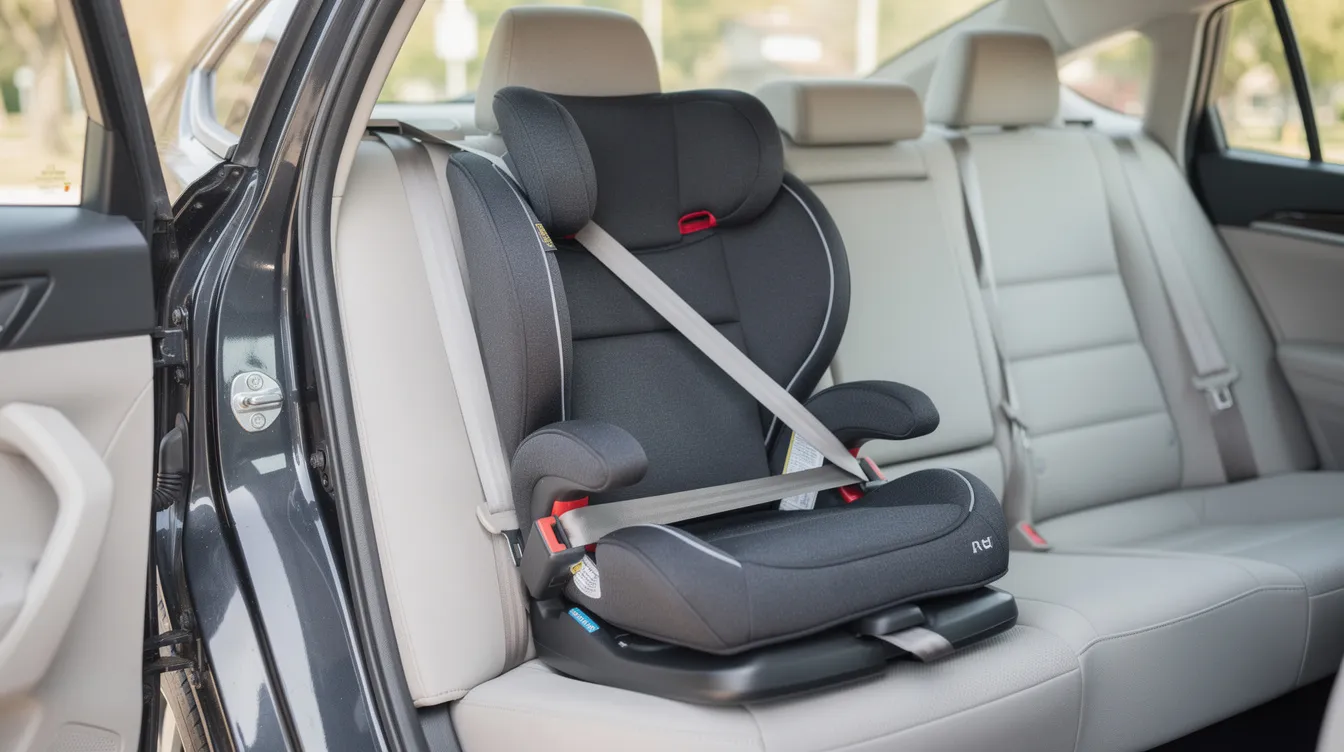
Children are at higher risk for sustaining injuries in car accidents, which is why car seats are required by law for children under a certain age or size. Children should use a rear-facing car seat from birth until ages 2–4, a forward-facing car seat until at least age 5, and booster seats until the child is big enough to fit in a seat belt properly. Children should be kept properly buckled in the back seat until at least age 12. Studies show that a high percentage of car seats are used incorrectly, and improper use of anchors and seat belts is a major issue in car seat installation, significantly increasing injury risk.
Who May Be Liable for a Child’s Car Accident Injuries in Colorado?
Colorado is an at-fault state, so when a child is hurt because of someone else's negligence, the party that caused the crash can be held responsible for damages. Colorado operates under an at-fault auto system, meaning financial recovery comes from the driver who caused the crash. To establish liability in a child injury case, it must be shown that the responsible party owed a duty of care to the child and breached that duty, resulting in the child’s injuries.
Responsible parties may include the negligent driver, an employer in a delivery or commercial crash, product manufacturers in defective vehicle or car seat cases, a property owner in some premises-related child injury cases, or government entities responsible for unsafe roads. Liability in child injury cases can extend beyond the negligent party, potentially including employers, product manufacturers, and even government entities responsible for unsafe conditions. In Colorado, the law allows parents to hold schools liable for serious injuries or deaths resulting from violence occurring on school property or during school-sponsored activities, as established by the Claire Davis Bill.
Financial damages are split based on who is responsible for the loss in car accident claims involving minors. Under Colorado’s modified comparative fault law, if a parent is found partially at fault, the overall compensation will be reduced proportionally. A child’s own fault is judged differently than an adult’s because children are legally considered less able to appreciate danger.
How Colorado Law Treats a Child's Personal Injury Claim After a Car Accident
Child injury cases are not ordinary personal injury cases. Under colorado law, minors cannot file a personal injury lawsuit or sign binding settlements alone; the minor’s parents, guardian, or legal representative must pursue the claim on the child's behalf as “next friend” in the legal process.
Colorado law allows for a longer statute of limitations for child injury claims, giving parents until the child turns 18 to file a claim, plus an additional two years for the child to file on their own behalf. In Colorado, the statute of limitations for filing a personal injury claim on behalf of a minor is extended, allowing parents to file until the child turns 18, plus an additional two years for the child to file on their own after reaching adulthood. Still, waiting can damage claims because witnesses move, medical records become harder to connect, and available coverage can become disputed.
Court Approval of Colorado Child Car Accident Settlements
Significant settlements for a minor’s claim usually require court approval before they are final. Colorado law requires court approval for settlements involving minors to ensure that the settlement serves the child’s best interests, which may include appointing a guardian ad litem in certain cases.
The court reviews the proposed settlement, medical care, future medical treatment, insurance limits, attorney fees, and whether the agreement is in the best interest of the child while also protecting the child's rights. Colorado rules, including probate procedure under Colorado Supreme Court authority, focus on protecting the injured party, not simply approving what adults accept.
How Settlement Money for a Child Is Protected and Managed
When a child is awarded compensation for injuries, the funds are typically placed in a trust account until the child turns 18, at which point they can access the money. Other tools include a restricted account, conservatorship, or structured settlement.
Settlement funds generally belong to the child, not the parents. Courts may approve withdrawals for medical expenses, therapy, equipment, or education if the use directly supports the child’s rights and future needs.
Damages Available in Colorado Child Car Accident Cases
In Colorado, families can seek compensation for both current and future medical expenses, lost income, and non-economic damages such as pain and suffering for children injured in accidents. Economic damages may include medical bills, rehabilitation, counseling, transportation to appointments, in-home care, and future earning loss if permanent injuries affect adulthood.
Parents may also claim certain expenses, including missed work and travel for treatment. Non economic damages can cover pain, fear, emotional distress, loss of enjoyment of life, scarring, and disfigurement, subject to Colorado damage caps. Punitive damages may be available only in extreme cases, such as drunk or reckless driving.
How a Child Injury Lawyer at Johnston Law Firm, LLC Builds and Protects Child Injury Car Accident Claims
Johnston Law Firm, LLC is based in Pueblo and represents families throughout Colorado, including Otero, Fremont, Custer, Huerfano, Las Animas, and Crowley Counties. Steve Johnston handles personal injury, automobile accidents, workers’ compensation, estate planning, criminal law, and social security law-experience that helps when severe injuries create disability, future planning, or related legal options.
Our legal team investigates the crash, obtains police reports, interviews witnesses, preserves photos and data, and gathers complete medical records. We work to identify every at fault party and liable party, reject low offers, and prepare for court when needed. To have an experienced attorney and child injury lawyer handle the claim, call (719) 309-9484 or contacting us online for a free consultation.
Why Child Injury Car Accident Cases Are Different From Adult Claims
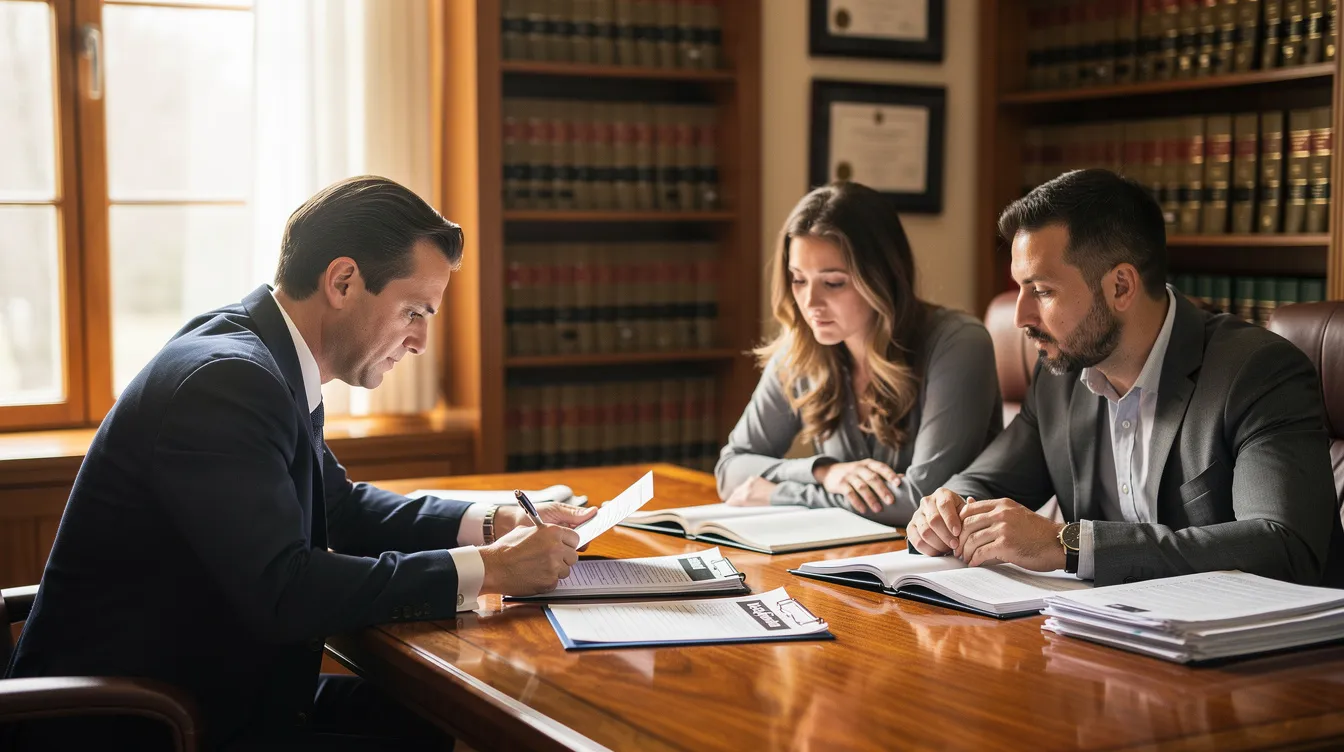
Child injury cases require a different approach because children may not explain pain clearly, and the full effect on growth, school, behavior, and future work may take time to appear. A child injured in an accident may need pediatric specialists, counselors, teachers, and therapists to document injuries sustained.
Courts and insurance companies closely review settlements involving a child. Whether you searched for a denver child injury lawyer or need help in Pueblo, the key is choosing counsel who understands personal injury law, auto accidents, child development, and court-supervised settlements. Every child deserves fair compensation when harmed by someone else’s negligence.
Protecting Your Child’s Rights After a Colorado Car Accident
You are not expected to know every rule about a minor child, court oversight, or the statute of limitations. Keep discharge papers, therapy notes, school reports, photos, bills, and communications from insurance adjusters. Decline quick settlement offers until an attorney reviews the case.
Acting promptly lets Steve Johnston preserve evidence, locate witnesses, and address special deadlines if a government vehicle or public entity is involved. If your child was involved in a car crash, call Johnston Law Firm, LLC at (719) 309-9484 or reach out through our online contact form to protect your child’s rights.
Frequently Asked Questions About Colorado Child Injury Car Accident Claims
How long do we have to bring a car accident claim for our child in Colorado?
Colorado car accident claims are generally subject to a three-year statute of limitations. Minors often receive extra time, including time after turning 18, but other factors can change deadlines. Ask a lawyer early because evidence and witnesses fade.
Will my child have to go to court to resolve their car accident case?
Many child injury cases settle without the child testifying. A short court hearing may be needed for settlement approval, but judges often focus on the adults, attorneys, records, and protection of the child’s funds.
Can settlement money for my child be used for family bills or only for the child?
Money awarded for the child’s injuries is the child’s property. Courts may approve use for treatment, care, education, or support that directly benefits the child, but not general family bills. Parents may have separate claims for some expenses.
What if my child was partially at fault, such as not wearing a seat belt?
Colorado comparative negligence can reduce recovery if fault is assigned, but children are judged based on age and maturity. Do not assume you have no claim because restraint issues exist; the facts, crash forces, and adult supervision matter.
How much does it cost to hire Johnston Law Firm, LLC for my child’s car accident case?
Johnston Law Firm, LLC typically handles these claims on a contingency fee basis, meaning no upfront legal fees and payment only if money is recovered. Call (719) 309-9484 or contact us online for a free consultation.