Catastrophic Injury Car Accident Colorado – When A Crash Changes Your Life Permanently
A single moment on a Colorado highway can reshape an entire lifetime. When a car accident causes catastrophic injuries—paralysis, traumatic brain injury, or permanent disability—the catastrophic injury results can profoundly impact a person's life, affecting their well-being, daily activities, and future. Johnston Law Firm, LLC in Pueblo helps victims throughout Colorado rebuild their lives legally and financially after these devastating crashes.
This article provides a comprehensive guide to catastrophic injury car accidents in Colorado, specifically designed for accident victims and their families. We will cover what constitutes a catastrophic injury, the most common types of catastrophic injuries resulting from car accidents, how these injuries impact victims’ lives, the legal process for pursuing compensation, and the importance of acting quickly to protect your rights. Understanding catastrophic injury law in Colorado is crucial because these cases involve complex medical, legal, and financial issues that can affect your quality of life for years to come. Knowing your rights and the steps to take can make a significant difference in your recovery and your family’s future.
What Is a Catastrophic Injury in Colorado Car Accidents?
A catastrophic injury, in the context of Colorado car accidents, refers to a severe physical injury or health condition that causes permanent or long-term disability, longstanding health consequences, and considerable emotional damage. Catastrophic injuries in Colorado car accidents include traumatic brain injuries, spinal cord paralysis, amputations, and severe burns. These injuries result in permanent or long-term effects on a victim's ability to work or live independently, often requiring full-time caregiving and assistive technology, fundamentally changing their quality of life. Catastrophic injuries typically require extensive long-term medical care and rehabilitation, significantly impacting the daily lives of those affected.
Key Takeaways
A catastrophic injury car accident in Colorado often results in permanent, life-changing harm that prevents victims from returning to their previous employment and requires years or decades of medical treatment. Johnston Law Firm, LLC, based in Pueblo and serving Otero, Fremont, Custer, Huerfano, Las Animas, and Crowley Counties, coordinates complex claims across Steve Johnston’s six practice areas to maximize recovery for injury victims.
-
A “catastrophic” injury generally means permanent disability, inability to work as before, and the need for long-term medical care and assistance with daily living activities
-
Common catastrophic injuries from Colorado car crashes include spinal cord damage, traumatic brain injury, amputations, severe burns, and crush injuries requiring extensive rehabilitation
-
Colorado’s 2025 non-economic damage caps make serious injury cases potentially worth hundreds of thousands or even millions of dollars when properly documented with medical records and expert testimony
-
Early legal help preserves critical evidence like black box data and witness statements, protects against insurance lowball tactics, and coordinates related issues like workers’ compensation and Social Security Disability when the injury occurred while working
If you or a family member suffered catastrophic injuries in a Colorado car accident, time matters. Call Steve Johnston at (719) 309-9484 or message us online for a free consultation to discuss your options before deadlines pass.
What Makes a Car Accident Injury “Catastrophic” in Colorado?
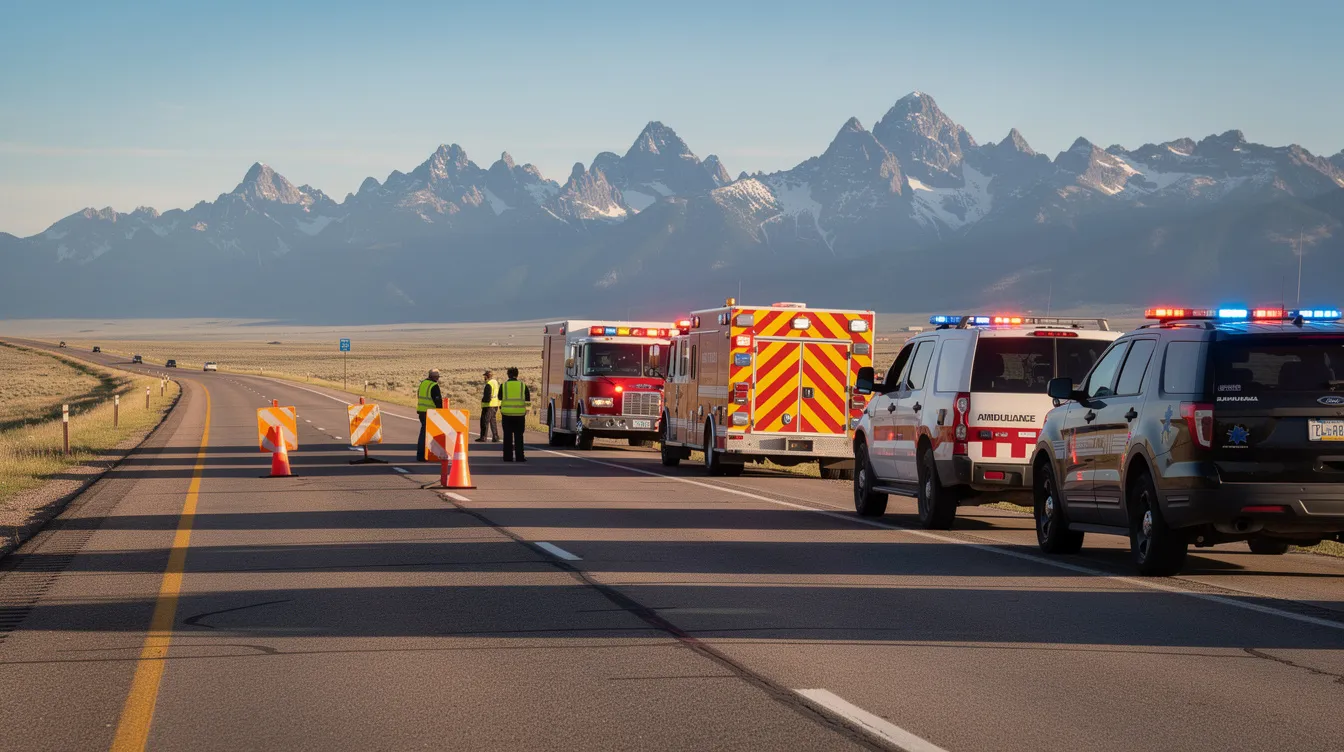
Under Colorado law, a catastrophic injury from a car crash is a severe injury that permanently alters a victim’s ability to live, work, and perform daily activities independently. These are not injuries that heal in weeks or months—they change everything about how the injured person navigates their life going forward. In Southern Colorado, these injuries commonly result from I-25 rollovers near Pueblo, head-on collisions on U.S. 50, and T-bone crashes at busy intersections.
Definition of Catastrophic Injury:
A catastrophic injury is a severe physical injury or health condition that causes permanent or long-term disability, longstanding health consequences, and considerable emotional damage. In Colorado car accidents, catastrophic injuries include traumatic brain injuries, spinal cord paralysis, amputations, and severe burns. These injuries result in permanent or long-term effects on a victim's ability to work or live independently, often requiring full-time caregiving and assistive technology, and typically necessitate extensive long-term medical care and rehabilitation.
-
Functional impact: Loss of mobility, paralysis, significant cognitive changes, or needing help with basic tasks like dressing, bathing, eating, or driving
-
Common catastrophic injuries: Spinal cord injuries causing paraplegia or quadriplegia, traumatic brain injuries affecting memory and personality, amputations, severe fractures requiring permanent hardware, crush injuries, and severe burns
-
Medical trajectory: Long hospitalizations at trauma centers like Parkview Medical Center in Pueblo, UCHealth Memorial in Colorado Springs, or Denver Health, followed by months or years of intensive rehabilitation at specialized facilities like Craig Hospital
-
Legal complexity: Higher lifetime costs often reaching millions of dollars, complex medical evidence requirements, and overlapping issues with workers’ comp claims, Social Security Disability applications, and sometimes criminal charges against the at-fault driver
In 2020, Colorado reported 1,444 traumatic brain injuries and 1,044 spinal cord injuries, highlighting the prevalence of catastrophic injuries in the state.
Common Catastrophic Injuries from Colorado Car Crashes
Highway collisions on I-25, rural wrecks on U.S. 50, and crashes on Pueblo city streets can all cause devastating injuries when crash forces overwhelm the human body. The Colorado Department of Transportation reports over 12,000 injury crashes annually, with severe cases clustered along the I-25 corridor from Pueblo to Denver.
While catastrophic injuries often result in long-term or permanent impairment, less severe injuries such as sprains and strains typically heal quickly and involve simpler legal processes. Each injury type requires different medical specialists—neurosurgeons for spinal cord damage, neurologists for traumatic brain injury, burn specialists for thermal injuries—and different kinds of proof to document damages in your personal injury claims.
Spinal Cord Injuries and Paralysis
High-speed rear-end or head-on collisions on I-25 or Highway 50 can fracture vertebrae and damage the spinal cord through axial loading or shear forces. A 2023 Pueblo pileup case involved a C5 burst fracture that left the accident victim with permanent upper body limitations.
-
Paraplegia vs. quadriplegia: Paraplegia (injuries to thoracic or lower vertebrae) affects legs, bladder, bowel, and sexual function. Quadriplegia (cervical injuries) extends to arms, hands, and potentially breathing.
-
Treatment: Emergency decompression surgery, spinal fusion with hardware, and intensive rehabilitation at programs like Craig Hospital for 6-12 months.
-
Lifelong needs: Power wheelchairs ($30,000+ every 5 years), home and vehicle modifications ($80,000-$300,000), personal care attendants ($60/hour), and ongoing spasticity and pain management including baclofen pumps.
The Christopher & Dana Reeve Foundation reports average lifetime costs of $1.1 million for spinal cord injury survivors.
Traumatic Brain Injuries (TBI)
TBIs result from violent head impacts, rollovers, airbag deployment, or ejections in Pueblo and Southern Colorado crashes. These debilitating injuries affect approximately 75,000 Americans annually, with 40% of spinal cord injuries and TBIs coming from vehicle crashes.
-
Severity levels: Mild TBI (GCS 13-15) often allows 70% full recovery; moderate (GCS 9-12) and severe (GCS below 9) cause 30-50% permanent disability rates.
-
Lasting problems: Memory loss affecting the hippocampus, personality changes from frontal lobe damage, post-traumatic epilepsy (20-50% of cases), headaches, and concentration difficulties.
-
Invisible nature: Many TBIs don’t show on initial CT scans, requiring neuropsychological testing ($5,000-$15,000) and specialist opinions to document permanent disability.
The impact on families includes a 40% divorce rate and significant caregiver burnout, with unpaid caregiver labor valued at $27,000 annually according to the American Academy of Neurology.
Amputations and Crush Injuries
Traumatic amputations and severe crush injuries occur in under-ride collisions with trucks, rollovers that pin limbs, and high-speed impacts that trap victims in their vehicles.
-
Common sites: Below-knee (40% of motor vehicle amputations), above-knee, upper extremity, and multiple fingers.
-
Lifetime costs: Initial prosthetics $50,000-$150,000, replacements every decade ($20,000+), and vocational rehabilitation for career changes when physical work becomes impossible.
-
Psychological impact: Phantom limb pain (60-80% of amputees), depression, anxiety, and post traumatic stress disorder requiring ongoing mental health treatment.
Severe Fractures, Internal Injuries, and Burns
Multi-system trauma from ejections and vehicle fires causes complex fractures, internal organ damage, and burns requiring extensive medical treatment over months or years.
-
Examples: Open femur fractures requiring rods and screws (20% nonunion rate), pelvic ring fractures (10-20% bleeding risk), liver or spleen lacerations requiring embolization, and third-degree burns needing skin grafts.
-
Long-term outcomes: Chronic pain, arthritis (50% in knee injuries), limited range of motion, avascular necrosis (30% in hip injuries), and visible scarring.
-
Compensation for disfigurement: Scarring and disfigurement are separately compensable under Colorado law, with verdicts ranging from $50,000 to $500,000 for younger injury victims.
Catastrophic Colorado Car Crashes: How They Happen
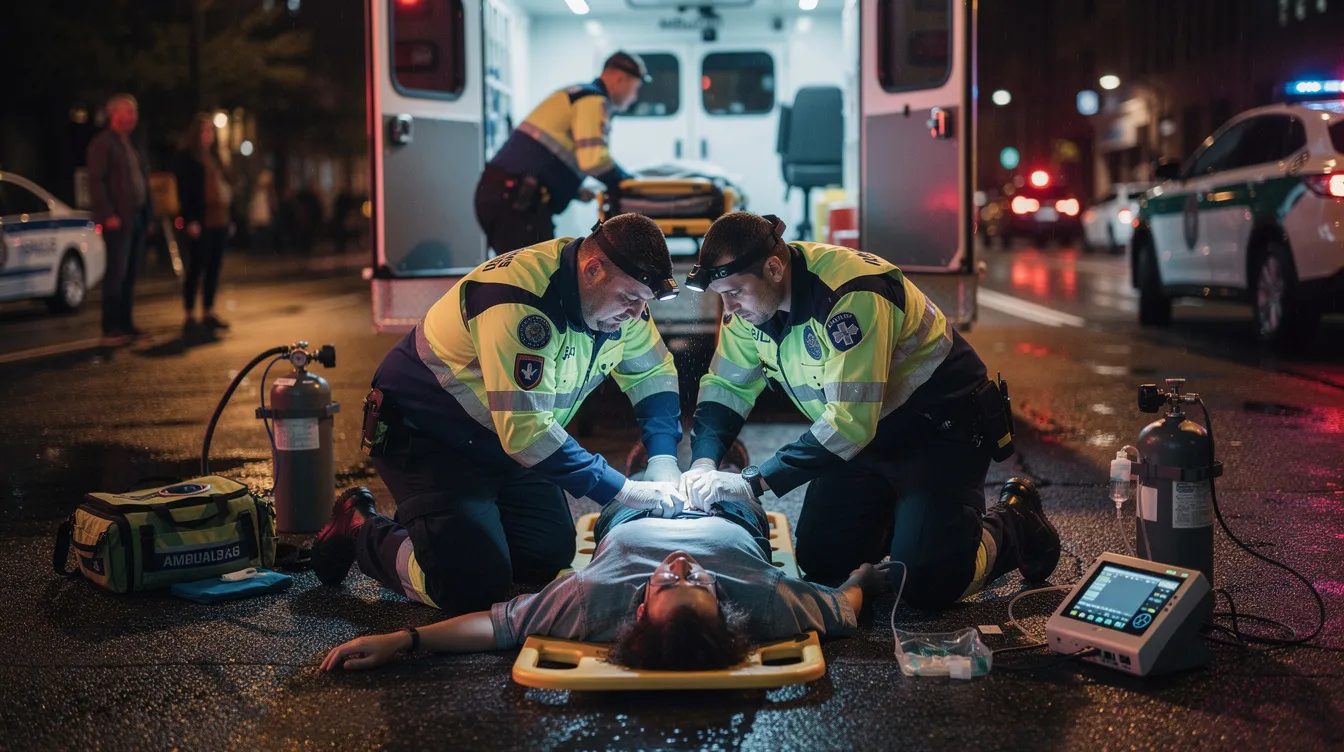
Not every fender bender causes catastrophic injuries, but certain kinds of crashes on Colorado roads are far more likely to result in life altering injuries. NHTSA data shows negligence drives 94% of crashes, including distraction (25%), DUI (30% of fatalities), and speeding (29%). Investigating the circumstances surrounding the crash is crucial to establish negligence and support a claim.
High-Speed Highway and Rural Road Collisions
Severe injuries from head-on and side-impact crashes on I-25, U.S. 50, U.S. 350, and rural county roads in Otero, Fremont, and Las Animas Counties occur when speeds exceed 70 mph and deceleration forces reach 50g or higher.
-
Common causes: Crossing the center line, unsafe passing, driver fatigue (20% of crashes), and winter weather with ice or blowing snow (40% spike in winter months)
-
Multi-car pileups: Chain-reaction crashes lead to ejections and spinal cord injuries, particularly when victims aren’t wearing seatbelts (75% ejection risk)
-
Distance from trauma centers: Crashes far from Parkview Medical Center or Denver hospitals can delay treatment and worsen outcomes during the critical “golden hour”
Truck and Commercial Vehicle Accidents
Collisions with semis, delivery trucks, and commercial vehicles cause catastrophic injuries due to the massive size and weight differences—an 80,000-pound truck versus a 3,500-pound passenger vehicle.
-
Pueblo scenarios: Rear-end crashes at highway speed, jackknifes on curves, and wide-turn collisions in urban areas
-
Federal regulations: Hours-of-service rules (11 hours maximum driving), electronic logging devices, and maintenance records provide evidence to prove liability in catastrophic injury cases
-
Overlapping claims: Personal injury claims against trucking companies plus possible workers’ compensation if the victim was driving for work
Drunk, Drug-Impaired, and Distracted Driving
Impaired and distracted drivers on Colorado roads cause catastrophic harm at intersections, on rural roads, and in school zones. CDOT reports 25% of fatalities involve alcohol, with rising cannabis-impaired crashes since legalization.
-
Evidence types: DUI arrest records, blood-alcohol tests, phone records showing texting, and witness statements
-
Punitive damages: When reckless or careless actions like extreme DUI or street racing are proven, punitive damages may significantly increase recovery
-
Criminal proceedings: Johnston Law Firm supports clients through both civil cases and related criminal court processes when at-fault drivers face charges like vehicular assault
Pedestrian, Bicycle, and Motorcycle Catastrophic Crashes
Unprotected road users in Pueblo, Colorado Springs, and smaller towns often suffer catastrophic injuries even at moderate speeds. Without the protection of a vehicle frame, the person’s life changes instantly.
-
Pedestrian and cyclist scenarios: Crosswalk collisions, parking lot incidents, and drivers failing to yield when turning
-
Motorcycle injuries: TBIs, road rash requiring skin grafts, lower extremity fractures, and spinal injuries
-
Comparative fault: These injury victims frequently face allegations of shared fault and need experienced legal representation to fight unfair blame
What Your Catastrophic Car Accident Claim May Cover in Colorado
Recovering compensation after a catastrophic injury car accident in Colorado involves seeking damages for both economic and non-economic losses. Catastrophic injuries create a significant financial strain, with costs that can reach millions of dollars over a lifetime due to continuous medical care and specialized equipment. Colorado law in 2025 and beyond allows substantial economic damages and non economic damages when properly documented with medical expenses, expert testimony, and evidence of how injuries affect daily life.
|
Damage Type |
What It Covers |
Examples |
|---|---|---|
|
Economic |
Measurable financial losses |
Medical bills, lost wages, future care |
|
Non-Economic |
Intangible harms |
Pain and suffering, emotional distress |
|
Punitive |
Punishment for egregious conduct |
DUI, reckless driving cases |
Economic Damages: Lifetime Financial Impact
Economic damages represent the measurable, financial costs of a catastrophic car accident—the bills that pile up and the income that disappears.
-
Medical costs: Past and future medical bills, ongoing medical treatment, rehabilitation, assistive devices, in-home care, and home/vehicle modifications totaling $2-5 million for severe spinal or TBI cases
-
Lost income: Past lost wages plus loss of future earning capacity, including benefits like retirement contributions and health insurance
-
Life-care plans: Economic experts project lifetime costs over decades—a severe spinal injury case might document $2.5 million in future care alone through detailed life-care planning
Non-Economic Damages: Pain, Suffering, and Loss of Life’s Enjoyment
Non-economic damages compensate for what cannot be measured with receipts but is deeply felt every day by the injured person and their family.
-
Compensable harms: Physical pain, emotional trauma, PTSD, depression, anxiety, and loss of enjoyment of hobbies, activities, and relationships
-
2025 caps: Colorado’s non-economic damage caps increased significantly—now $500,000 or more for clear and convincing evidence cases, which especially affects catastrophic injury valuations
-
Family impacts: Loss of consortium for spouses and changed family roles when a provider becomes dependent on care
Punitive Damages in Especially Reckless Cases
Punitive damages are not available in most personal injury cases but may apply when behavior is willful, wanton, or particularly egregious—like drunk driving accidents with extremely high BAC or street racing.
-
Purpose: To punish the wrongdoer and deter similar conduct, not simply to compensate the victim
-
Caps: Colorado law limits punitive damages to the amount of compensatory damages
-
Assessment: Steve Johnston evaluates whether punitive damages are realistic in catastrophic injury cases, especially where strong evidence of recklessness exists
Proving a Catastrophic Car Accident Case in Colorado
Every Colorado personal injury case requires proving four elements: duty (the other driver’s obligation to drive safely), breach (their negligent conduct), causation (the connection between their breach and your injuries), and damages (the harm you suffered catastrophic injuries from). Catastrophic cases raise the stakes on each element.
Johnston Law Firm investigates Pueblo and statewide crashes with accident reconstructionists who analyze speed and impact angles, medical experts who document permanent impairment, and economic experts who project lifetime costs.
Establishing Liability and Comparative Fault
Colorado’s modified comparative negligence rule means your recovery is barred if you’re 50% or more at fault, and reduced by your percentage of fault if less than 50%.
-
Insurance tactics: Insurers try to blame the injured driver for speeding, distraction, or not wearing a seatbelt to reduce fair compensation
-
Evidence to fight unfair blame: Crash reports, event data recorders (black boxes capturing 5 seconds pre-crash), dashcams, surveillance videos, and scene photos
-
Expert reconstruction: Shows actual speeds, impact angles, and whether the victim realistically could have avoided the crash
Proving the Extent and Permanence of the Injury
Catastrophic status is proven with medical evidence, not just the victim’s description. Insurance companies regularly dispute severity through independent medical exams.
-
Key documentation: ER records, hospital discharge summaries, operative reports, MRIs, CTs, and rehab notes from Colorado facilities
-
Impairment ratings: AMA Guides ratings (0-100% impairment), functional capacity evaluations, and physicians’ opinions on permanent restrictions
-
Before-and-after testimony: Family, friends, and co-workers describe changes in personality, abilities, and independence
Documenting Long-Term Costs and Life Changes
For a 25-, 40-, or 60-year-old crash survivor, looking decades ahead is essential to securing fair compensation.
-
Life-care plans: Future surgeries, medications, therapy, equipment replacements, home care, and transportation needs documented by nurse life-care planners
-
Vocational experts: Assess whether and how the victim can work again, in what capacity, and what retraining costs
-
Trial preparation: Johnston Law Firm works with these experts to support settlement negotiations and, when necessary, courtroom presentations
Colorado Deadlines and Special Rules for Catastrophic Car Accident Cases
Deadlines matter even when injuries are severe—missing them can completely bar your recovery in a colorado car accident case, regardless of how strong your case is or your right to pursue fair compensation.
|
Claim Type |
Deadline |
|---|---|
|
Motor vehicle personal injury |
3 years from crash date |
|
Government vehicles/roads |
182-day notice required |
|
Wrongful death |
2 years from death |
|
Workers’ compensation |
2 years (4 years if continuing benefits) |
|
Minors |
Tolled until age 21 |
|
The statute of limitations for most Colorado motor vehicle personal injury claims is three years from the crash date under C.R.S. 13-80-101. However, car accident claims involving government vehicles or dangerous road conditions require notice within 182 days under the Colorado Governmental Immunity Act. |
Don’t let deadlines destroy your case. Call (719) 309-9484 or reach out online right away so Steve Johnston can confirm your specific filing deadlines.

How Johnston Law Firm Helps After a Catastrophic Car Accident
Johnston Law Firm, LLC is a Pueblo-based firm representing catastrophic injury car accident victims throughout Colorado, particularly in Otero, Fremont, Custer, Huerfano, Las Animas, and Crowley Counties. Our dedicated legal team, led by experienced catastrophic injury lawyer Steve Johnston, brings collaborative expertise to handle the legal complexity while you focus on recovery. Consulting a Denver catastrophic injury lawyer is crucial to ensure your claim is filed within Colorado's statutes of limitations and to navigate the complex legal and medical issues that often arise in catastrophic injury cases.
Steve Johnston’s six core practice areas—workers’ compensation, personal injury, automobile accidents, estate planning, criminal law, and social security law—intersect frequently in catastrophic car accident cases, allowing coordinated representation that other firms cannot provide.
-
Hands-on representation: Direct attorney contact rather than assembly-line treatment by paralegals
-
Contingency fee structure: No attorney fee unless compensation is recovered, with costs explained clearly upfront
-
Local knowledge: Understanding of Pueblo County District Court, Southern Colorado highways, and regional medical providers
Ready to discuss your catastrophic injury case? Call (719) 309-9484 or message Johnston Law Firm online for a free, no-obligation catastrophic injury review.
Coordinating Multiple Legal Issues from One Catastrophic Crash
A single catastrophic car accident can trigger several overlapping legal matters. Steve’s broad practice uniquely positions him to coordinate them for maximum compensation.
-
Auto liability + workers’ comp: If the injury occurred while driving for work (delivery, sales, construction), you may have both claims—with complex lien and offset issues requiring careful coordination
-
Social Security Disability: For long-term inability to work, SSDI applications (monthly benefits up to $3,822 in 2026) supplement civil recovery
-
Estate planning updates: After catastrophic injury, updating wills, powers of attorney, and medical directives becomes urgent, especially with cognitive or physical limitations
-
Related criminal cases: If the at-fault driver faces DUI charges or vehicular assault prosecution, Steve’s criminal law experience helps clients understand how that process affects their civil claim
Dealing with Insurance Companies and Litigation
Catastrophic injury claims are high-value, and insurers fight them aggressively with surveillance, defense medical exams, and experienced adjusters.
-
Claim process: Investigation, demand package preparation, negotiation, mediation, and when necessary, filing suit in Colorado courts like Pueblo County District Court
-
Insurance tactics: Lowball offers (40-60% below value initially), blaming pre-existing conditions, arguing the victim can work more than they realistically can, and attacking credibility
-
Trial preparation: Johnston Law Firm prepares every catastrophic case as if it may go to trial, which often leads to better personal injury settlement offers
What to Do After a Catastrophic Car Accident in Colorado
When a family faces a new catastrophic injury, the immediate focus should be safety and medical care. Preserving legal rights comes second—but it must happen quickly.
Immediate Medical and Safety Steps
-
Call 911 and accept ambulance transport to the nearest trauma center
-
Follow all discharge instructions and specialist referrals without delay
-
Family members should keep a binder or digital folder with all medical records, discharge papers, and physician contact information from day one
Preserving Evidence and Documentation
-
Obtain the Colorado crash report (form SP-258), gather witness names and numbers, and photograph vehicles and visible injuries
-
Keep a daily journal of pain levels, limitations, and emotional changes—especially important for TBI and spinal cord injury cases
-
Organize all bills, EOBs, wage records, and disability paperwork for future proof of damages
Protecting Your Legal Rights
-
Avoid giving recorded statements or signing medical authorizations for insurers before consulting an experienced personal injury attorney
-
Early experienced legal representation stops harassing calls, coordinates benefits across multiple claims, and ensures deadlines aren’t missed
-
Contact an experienced legal professional who handles serious injury cases and understands Colorado law
As soon as the immediate medical crisis stabilizes, protect your rights. Contact Johnston Law Firm at (719) 309-9484 or through the firm’s online contact form for guidance tailored to your specific situation.
FAQ: Catastrophic Injury Car Accident Colorado
These frequently asked questions address practical concerns for Colorado families dealing with catastrophic injuries beyond what’s covered in the main article.
How do I know if my Colorado car accident injury is considered “catastrophic” for legal purposes?
While no single magic definition exists, indicators include permanent disability, inability to return to prior work, need for lifelong medical care or personal assistance, and major interference with daily living. Specific examples include paralysis, severe TBI, and amputation. Many injury victims are unsure whether their injuries qualify—if you’re uncertain, Steve Johnston can review your medical records to assess whether the case is likely to be treated as catastrophic and what recovery might be possible in denver catastrophic injury cases or anywhere in Colorado.
Can I pursue both a workers’ compensation claim and a car accident lawsuit for the same catastrophic crash?
Yes. If you were driving for work (delivery, sales, construction, trucking) when the injury occurred anywhere in Colorado, you often have a workers’ comp claim against your employer’s insurer and a separate liability claim against the at-fault driver. These claims have different rules, deadlines, and offset issues that can reduce your net recovery if handled incorrectly. Steve’s experience as both a denver catastrophic injury attorney and workers’ compensation lawyer helps coordinate both claims to maximize total compensation.
What if I can never work again after my catastrophic car accident in Colorado?
Long-term income replacement comes through multiple sources: civil damages for loss of earning capacity in your personal injury case, ongoing workers’ compensation benefits if the fall accident or workplace accidents led to your crash, and Social Security Disability (SSDI/SSI) for permanent inability to work. Johnston Law Firm coordinates these avenues to build a comprehensive financial safety net rather than just pursuing a one-time settlement. This approach addresses both immediate medical care needs and decades of future lost income.
Do catastrophic car accident cases in Colorado always go to trial?
No—most personal injury claims, including catastrophic cases, settle before trial. However, they settle at full and fair compensation only after thorough preparation, expert workup, life-care planning, and sometimes mediation. The threat of a well-prepared trial often leads insurers to significantly increase offers. Steve Johnston is prepared for litigation when necessary, which insurance companies know and factor into their settlement calculations.
How much does it cost to hire Johnston Law Firm for a catastrophic injury car accident case?
Johnston Law Firm typically works on a contingency fee basis for catastrophic car accident cases, meaning no attorney fee unless compensation is recovered. This arrangement allows injury victims and their families to access experienced legal representation regardless of their current financial situation. Costs are explained clearly upfront during your free consultation. Call (719) 309-9484 or send a secure online message to discuss fee details and get a free case evaluation from a denver personal injury lawyers alternative serving all of Colorado.