Car Wreck Injuries – The Most Common Injuries After a Colorado Auto Accident
Every year, thousands of Colorado drivers walk away from a crash thinking they're fine-only to discover days later that they're dealing with pain, confusion, or injuries far more serious than they expected. This guide from Johnston Law Firm, LLC breaks down the most common car wreck injuries, explains what to watch for, and outlines your options for getting the medical care and legal help you deserve.
Key Takeaways
Colorado car accidents on I-25, Highway 50, and local Pueblo roads often cause serious, sometimes hidden, injuries that may not show up right away. Adrenaline masks pain, and internal damage can worsen silently in the hours after a collision.
-
Common car accident injuries include whiplash, concussions and other traumatic brain injury, back and spinal cord damage, broken bones and broken ribs, internal organ damage, and psychological trauma like post traumatic stress disorder.
-
Prompt medical care protects both your health and any future injury claim under Colorado law, even if the car crash seemed "minor" at first. Insurance companies routinely use gaps in treatment to deny or reduce claims.
-
Johnston Law Firm, LLC in Pueblo helps car crash victims across Colorado pursue compensation for medical bills, lost wages, pain, and suffering after auto accidents-at no upfront cost to you.
-
Distracted driving remains a leading cause of severe motor vehicle collisions in Colorado, and serious injuries on the state's roads have been rising, with over 3,500 serious injury crashes recorded in recent years.
If you or a loved one was hurt in a car accident, call (719) 309-9484 or message us online for a free case evaluation. Time matters-both for your health and your legal rights.
Colorado Car Accidents: Why Your Injuries May Be Worse Than They Look
Picture this: you're stopped at a light near the Pueblo Mall on a Tuesday afternoon when someone rear-ends you at 25 mph. The bumper is dented, both cars are drivable, and you feel shaken but okay. You exchange information, drive home, and skip the emergency room. By the next morning, your neck is locked up, your head is pounding, and your lower back feels like it's on fire.
This scenario plays out across Colorado every day. After a car crash, adrenaline and shock can mask pain for hours or even days. Common injuries like whiplash, concussions, and internal bleeding may not produce obvious symptoms at the scene. That's why the visible damage to your car is a poor indicator of how badly your body has been injured. The human body absorbs tremendous force in a collision, and the consequences often reveal themselves on a delayed timeline.
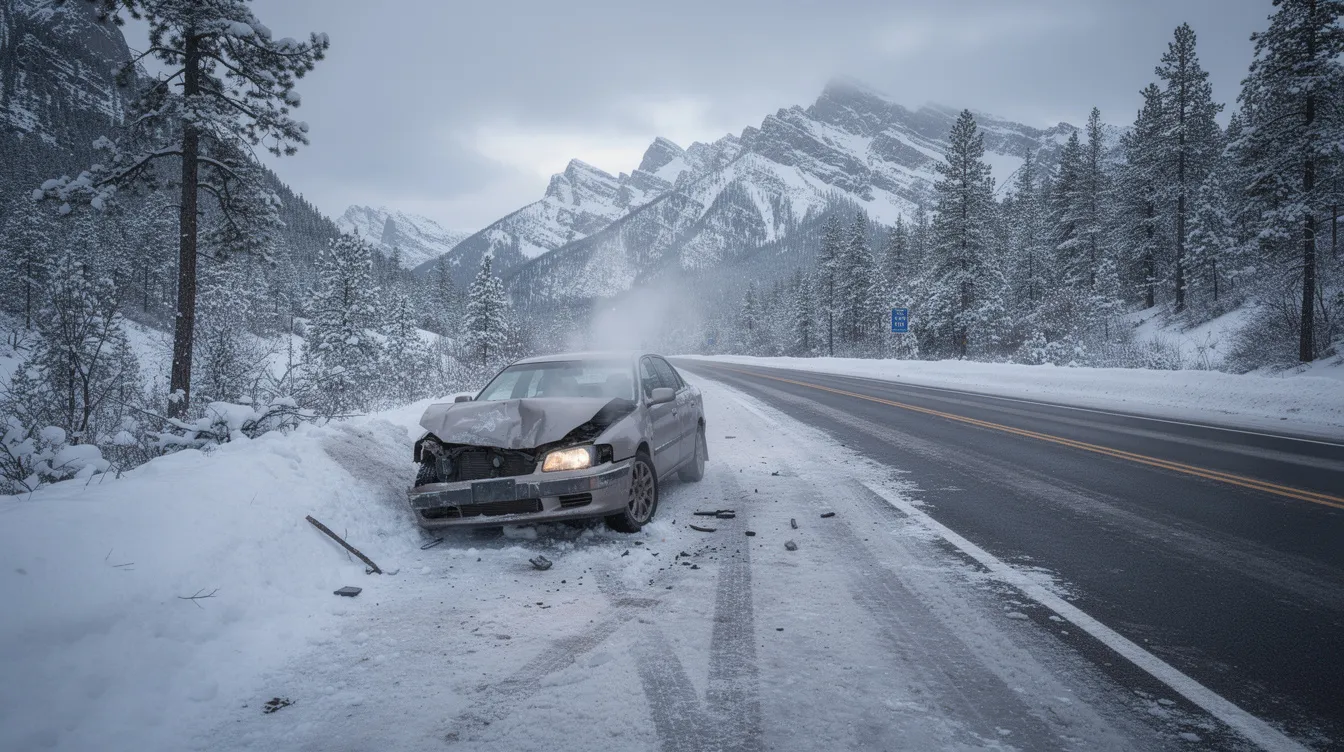
For Colorado drivers and passengers in rural counties like Fremont, Custer, Huerfano, Las Animas, and Crowley, delays in reaching trauma centers add another layer of risk. Long transport times can allow hidden injuries-internal bleeding, spinal cord compression, or swelling around the brain-to progress before treatment begins.
Getting evaluated quickly does two things: it protects your health, and it creates the medical records that form the foundation of any future auto accident injury claim. Even if you feel "mostly fine," the safest move is to get checked out and documented.
If you've been in any car accident in Colorado-even one that seemed minor-call (719) 309-9484 for guidance on your next steps.
Most Common Car Accident Injuries in Colorado
While every auto accident is different, doctors and car accident lawyers see certain predictable patterns of harm from rear-end, head-on, side-impact, and rollover collisions. Car crashes can lead to a spectrum of physical harm, from temporary soreness to permanent disability.
The most common injuries treated after motor vehicle accidents in Colorado also include frequent knee injuries:
-
Whiplash and neck injuries
-
Concussions and traumatic brain injuries
-
Back injuries, herniated discs, and spinal cord damage
-
Broken bones and broken ribs
-
Internal organ damage and internal bleeding
-
Soft tissue injuries, cuts, and scarring
-
Psychological trauma including anxiety, depression, and PTSD
Even "low-speed" fender-benders in parking lots or on city streets around Pueblo can cause serious hidden injuries, especially for older adults or people with prior back or neck problems. Research has shown that whiplash symptoms can develop even in collisions at speeds as low as 5 mph.
Pedestrians, bicyclists, and motorcyclists struck by cars in Colorado often suffer even more severe injuries because they lack the protection of a vehicle frame and airbags. Routine inspection of vehicle safety features-brakes, tires, headlights, seat belts-is crucial for safe operation and can reduce the severity of injuries when crashes do occur.
The sections below explain each injury type, typical symptoms, treatment expectations, and how a Colorado car accident lawyer can help.
Whiplash and Other Neck Injuries
Whiplash is the most common car accident injury, and it doesn't take a dramatic crash to cause it. Whiplash results from rapid back-and-forth neck movement-the kind that happens in rear-end collisions on highways and at stoplights throughout Pueblo and Colorado Springs. Research shows that 85% of rear-end accidents lead to whiplash injuries.
In plain terms, whiplash affects the muscles, ligaments, tendons, and sometimes the discs and facet joints in the cervical spine, and reduced blood flow can slow healing in injured tendons and ligaments. The soft tissue stretches or tears under forces the neck was never designed to handle, and neck pain often starts 6 to 48 hours after the auto accident rather than at the scene.
Symptoms of whiplash include neck pain and stiffness, reduced range of motion, headaches starting at the base of the skull, shoulder and upper back pain, dizziness, and sometimes tingling or arms numbness. According to medical literature, about 50% of people with whiplash-associated disorders still report neck pain one year after the crash. Whiplash can lead to chronic pain and long-term complications that significantly impact quality of life.
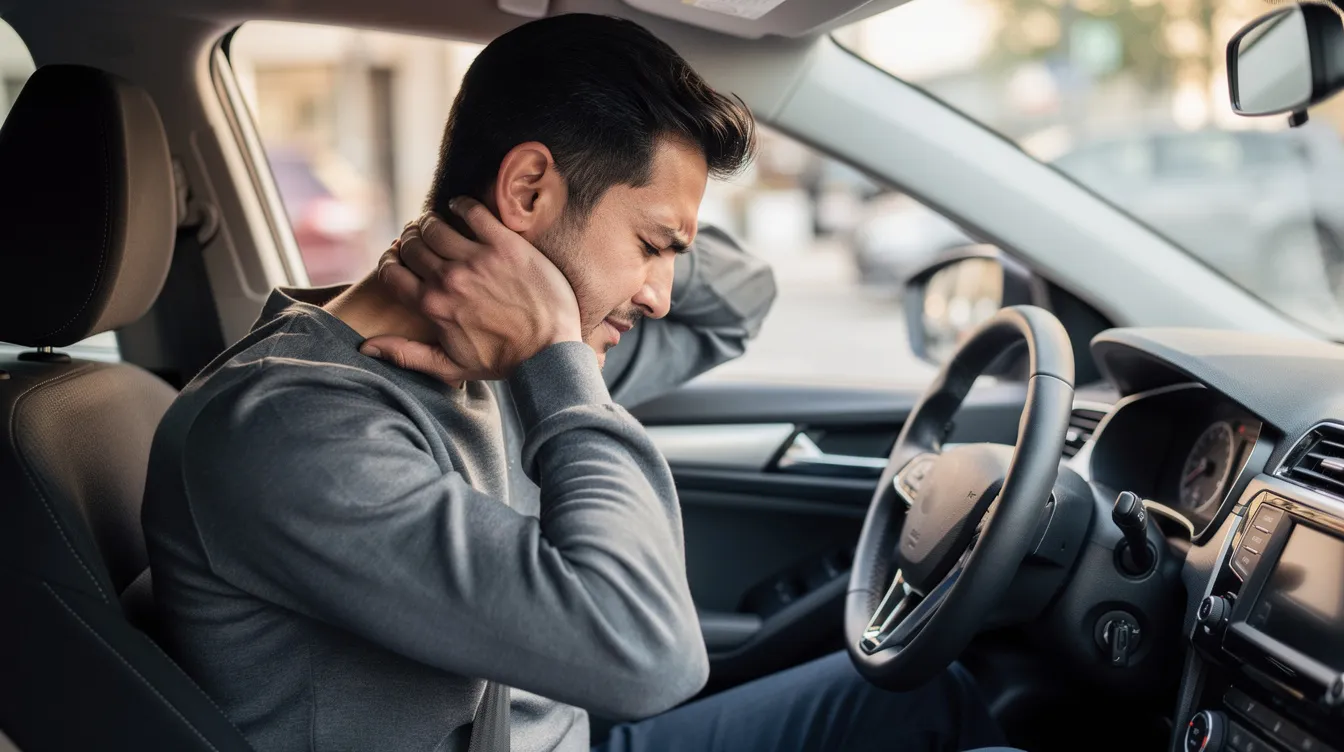
More serious neck injuries may involve cervical fractures, herniated discs, or nerve compression. Neck fractures can lead to permanent disability or paralysis if left untreated. Adjusting head restraints to the proper position significantly reduces the risk of severe whiplash-a simple precaution that many drivers overlook.
If you experience any neck pain or stiffness after a car crash, seek medical attention immediately. Early imaging and treatment improve both the recovery process and the documentation needed for a potential legal claim.
Concussions and Traumatic Brain Injuries After a Car Crash
Concussions and other traumatic brain injuries are among the most serious car accident injuries, and they can occur even without a direct blow to the head or any visible wound. In a collision, the brain can shift inside the skull and strike bone, causing bruising, bleeding, or microscopic diffuse axonal damage that disrupts normal brain function.
The numbers are sobering. Car accidents cause about 17% of traumatic brain injuries annually. Nearly one-fourth of TBI hospitalizations are due to car accidents, and about 235,000 hospitalizations for TBI occur yearly in the US. An estimated 5.3 million people in the US live with TBI-related disabilities, and TBI can lead to lifelong health issues and permanent disability.
Common concussion symptoms may appear hours or days after an auto accident:
-
Persistent or worsening headaches
-
Confusion or memory lapses
-
Trouble concentrating
-
Sensitivity to light or noise
-
Mood changes, irritability, or depression
-
Sleep problems or excessive drowsiness
Moderate to severe TBI can cause long-lasting cognitive, physical, and emotional problems that affect a person's ability to work, drive, and perform daily activities. These head injuries may require ongoing treatment years after the initial car accident.
Go to the ER or see a neurologist immediately for red-flag symptoms like repeated vomiting, worsening headache, seizures, slurred speech, or loss of consciousness. The National Institute of Neurological Disorders and Stroke emphasizes that secondary damage-bleeding and swelling-can develop after the initial injury, making early intervention critical.
Back Injuries, Herniated Discs, and Spinal Cord Damage
The force of a Colorado car accident often travels directly through the spine, leading to back injuries that range from muscle strains to catastrophic spinal cord trauma. Even a moderate collision can compress vertebrae, rupture discs, or damage the delicate spinal cord itself.
Common back injuries after car accidents include:
-
Lumbar and thoracic sprains and strains
-
Bulging or herniated discs pressing on nearby nerves
-
Vertebral fractures (compression or burst fractures)
-
Nerve compression causing sciatica-style pain down the legs
Typical symptoms include sharp or aching back pain, pain radiating down the legs, numbness or tingling in the lower body, muscle weakness, and difficulty standing or walking for extended periods.
Car accidents account for nearly 40% of spinal cord injuries in the United States, making them the leading cause. The National Spinal Cord Injury Statistical Center reports approximately 18,000 new spinal cord injury cases each year. Spinal cord injuries can lead to partial or complete paralysis below the level of injury. The extent of spinal cord injury impairment depends on injury location-cervical injuries tend to cause the most widespread loss of function, while thoracic or lumbar injuries may affect the legs and lower body.
Spinal cord injuries drastically change daily living for victims, often requiring lifelong medical care, assistive devices, home modifications, and long-term rehabilitation and care. These life-threatening injuries carry some of the highest lifetime medical costs of any condition.
Even "simple" back pain after an auto accident in Pueblo, Fremont, or Las Animas County deserves prompt evaluation, imaging, and documentation to rule out serious damage and support any injury claim.
Broken Bones, Broken Ribs, and Other Bone Fractures
Broken bones and knee injuries are common in car crashes, especially when the lower body strikes the dashboard, steering wheel, or surrounding interior. Fractures can occur in any part of the body during crashes, from the skull to the feet.
Frequent fracture sites in car accidents include:
-
Broken arms and wrists (from bracing for impact)
-
Legs and ankles (from floorboard intrusion, especially in high speed collisions)
-
Collarbones and pelvis
-
Facial bone fractures from airbag deployment or broken glass
-
Broken ribs from seat belt compression or steering wheel contact
The femur and humerus are commonly fractured in car accidents due to the forces involved. Chest injuries include broken ribs and internal bleeding from crash impact. Broken ribs can be especially dangerous because sharp bone fragments can puncture lungs, leading to internal bleeding or a collapsed lung (pneumothorax).
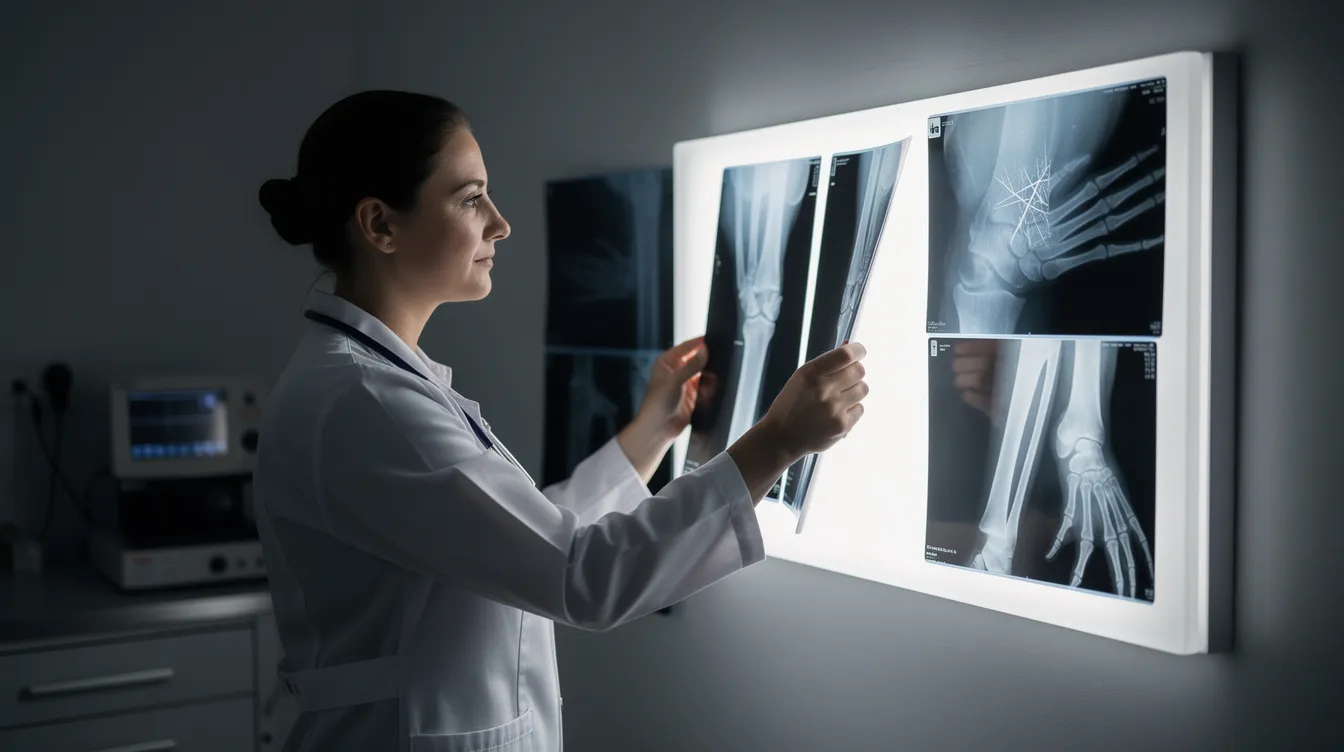
Fractures often require surgery and extensive treatment-including casting, pins and plates, multiple surgeries, and months of physical therapy. For workers in physically demanding jobs throughout southern Colorado, bone fractures can mean extended time away from employment and significant lost income.
In severe auto accidents, victims may suffer multiple fractures and permanent disability, and major leg trauma can sometimes require surgery to the knee joint, which significantly increases the value and complexity of a personal injury claim. Joint trauma from car crashes can also accelerate the onset of arthritis, creating long term complications that affect mobility for years.
Internal Injuries and Organ Damage After an Auto Accident
Some of the most life-threatening car accident injuries are internal and invisible. Internal injuries may not be immediately visible after an accident, which is what makes them so dangerous. Organ damage can occur from the force of a car accident, including lacerations and tears to the liver, spleen, kidneys, lungs, and intestines.
Blunt-force trauma from a steering wheel, seat belt, or side impact can cause internal organs to collide with the rib cage or spine, leading to tears and bleeding. Victims of side-impact accidents are at higher risk for internal injuries because of the reduced structural protection on the sides of most vehicles. Internal bleeding can be life-threatening if untreated, and immediate medical treatment is crucial to prevent complications from hidden internal trauma.
Warning signs of internal damage include:
-
Abdominal pain, tenderness, or swelling
-
Chest pain or difficulty breathing
-
Dizziness or fainting
-
Deep purple bruising (especially across the abdomen where a seat belt sat)
-
Signs of shock: rapid pulse, pale or clammy skin, confusion
Internal organ damage often requires emergency surgery, blood transfusions, and extended hospital stays. The long-term consequences for health and earning capacity can be severe, particularly when organ function is permanently compromised.
Seek emergency care immediately after any significant collision-especially high-speed crashes on Colorado highways-even if you initially feel "okay." Internal damage can progress rapidly from manageable to critical without warning.
Soft Tissue Injuries, Cuts, Scarring, and Disfigurement
Many car accident injuries affect soft tissues-muscles, tendons, ligaments, and skin. While some heal in weeks, others leave permanent marks. Soft tissue injuries after car accidents include sprains, strains, contusions, tendon and ligament tears, and deep muscle damage. Symptoms like swelling and stiffness often appear 24 to 48 hours after the collision, making it easy to underestimate them initially.
Broken glass and twisted metal can cause penetrating injuries and deep lacerations to the face, scalp, arms, and legs. Some of these wounds require surgery, skin grafts, or reconstructive procedures. Chronic pain can stem from soft-tissue damage, whiplash, or structural trauma, especially when injuries are left untreated or undertreated during the critical early weeks.
Visible injuries like scars and permanent disfigurement can affect a person's self-esteem, mental health, and job prospects-especially when facial scarring is involved. Colorado personal injury law allows accident victims to seek compensation for scarring, disfigurement, and future cosmetic procedures as part of a car accident settlement or verdict.
Psychological Injuries: Anxiety, Depression, and PTSD
Car accidents are traumatic events, and many people in Pueblo and across Colorado suffer emotional injuries alongside the physical ones. Psychological trauma such as PTSD is common after severe vehicle accidents, and these injuries are just as real as a broken bone or a herniated disc.
PTSD can develop after a car crash, and symptoms of PTSD may appear three months post-accident-or sooner. PTSD symptoms include flashbacks and avoidance behaviors, such as refusing to drive or ride in vehicles, nightmares about the collision, and panic attacks triggered by traffic sounds or intersections. Car accidents can lead to long-term emotional distress that compounds the challenges of physical recovery.
Anxiety, depression, and sleep problems are common after serious car accidents, especially when victims face chronic pain, job loss, or permanent disability. The emotional distress from a wreck can significantly impact every area of daily life.
If you're experiencing these symptoms, seek counseling or mental health treatment. Therapy costs, medications, and documented emotional distress can all be part of an auto accident injury claim. Johnston Law Firm understands the emotional side of car accidents and takes these psychological injuries seriously when presenting a client's case.
What to Do Right After a Colorado Car Accident
In the first moments after a car accident on a Pueblo street or a rural highway in Otero County, everything feels chaotic. Your heart is racing, your hands might be shaking, and you may not know whether you're injured. Take a breath. Your next decisions matter.
Here is what you should do at the scene and in the hours that follow:
-
Stop your vehicle and move to safety if possible. Turn on hazard lights.
-
Call 911 immediately-even for what seems like a minor crash.
-
Accept medical attention at the scene from paramedics. Don't decline the ambulance just because you feel okay in the moment.
-
Avoid admitting fault or apologizing. Stick to the facts when speaking with officers.
-
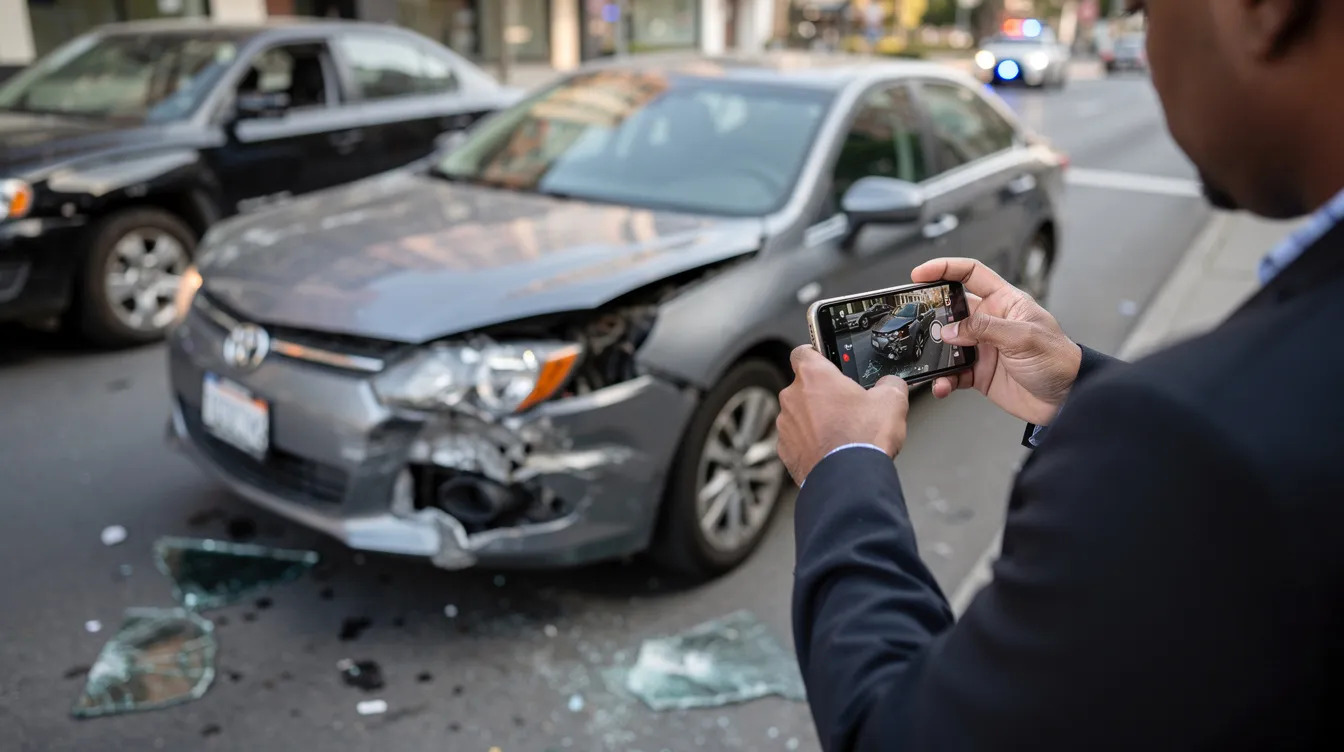
Document the car crash: take photos of vehicle positions, damage, skid marks, weather and road conditions, and any visible injuries. Collect witness names and contact information.
-
Report the accident to your insurance company, but be cautious about recorded statements. Avoid downplaying symptoms like neck pain, headaches, or dizziness.
Wearing a seatbelt reduces the risk of fatal injury by roughly 45% for front-seat passengers. Maintaining proper seating posture allows airbag deployment to be safer and more effective-a reminder that prevention starts before the crash happens.
Before dealing extensively with insurance adjusters, contact Johnston Law Firm. Call (719) 309-9484 or message us online for a free case evaluation.
Why Prompt Medical Care Matters for Your Health and Your Claim
In Colorado, insurance companies routinely argue that delayed treatment means injuries were not serious or were caused by something other than the car accident. This tactic can devastate an otherwise valid claim.
Immediate or early medical care catches hidden injuries-concussions, internal bleeding, spinal damage-before they worsen. Ongoing treatment can be required years after a car accident, particularly for traumatic brain injuries, spinal cord damage, and chronic pain conditions.
Follow your doctors' orders, attend every appointment, and keep a pain journal documenting symptoms, limitations, and how injuries affect your daily life. Consistent medical records from emergency rooms, primary care doctors, chiropractors, and specialists form the backbone of a strong personal injury case.
If you delayed treatment after your auto accident, seek medical care now-then consult with Johnston Law Firm about how that gap may affect your claim. A delay does not automatically disqualify you, but the sooner you act, the stronger your position.
Compensation Available After a Colorado Car Accident Injury
Colorado law allows injured people to seek compensation from the at-fault driver's insurance (and sometimes their own coverage) after serious car accidents. The financial burden of a wreck goes far beyond the initial hospital visit.
Key categories of damages include:
|
Damage Type |
Examples |
|---|---|
|
Medical expenses |
Hospital stays, surgery, physical therapy, medications, imaging, future care |
|
Lost wages |
Time off work, reduced hours, loss of future earning capacity |
|
Property damage |
Vehicle repair or replacement, personal belongings |
|
Out-of-pocket costs |
Travel to appointments, home modifications, assistive devices |
|
Pain and suffering |
Physical pain, emotional distress, loss of enjoyment of life |
|
Scarring/disfigurement |
Permanent disfigurement, future cosmetic procedures |
|
Punitive damages |
Available in rare cases involving drunk driving or extreme recklessness |
Medical expenses can accumulate rapidly after serious car accidents. The CDC estimates that car crash injuries generated $18.4 billion in lifetime medical costs in 2012-a figure that has only grown since. Lost wages can create a severe long-term deficit in household income after an accident, compounding the financial pressure on families already struggling with medical bills.
Each case is unique. Steve Johnston carefully reviews medical records, job history, and family impact to pursue full compensation for each client's car wreck injuries.
How Johnston Law Firm, LLC Helps Colorado Car Accident Victims
Stephen M. Johnston is a Pueblo-based trial lawyer who has been handling personal injury and automobile accident cases across Colorado since 2002, including in Otero, Fremont, Custer, Huerfano, Las Animas, and Crowley Counties. He has recovered medical benefits, wage-loss compensation, and civil damages for hundreds of clients in administrative, trial, and appellate proceedings.
The firm's approach includes:
-
Detailed accident investigation with expert collaboration
-
Working with medical providers to document the full scope of injuries
-
Calculating full damages-past, present, and future
-
Aggressive negotiation with insurance companies
-
Going to trial when fair settlement offers are not made
Johnston Law Firm is small by design. Clients get direct access to Steve and regular updates from his team-paralegal Candice Briggs and legal assistant Lisa Serna. The firm also handles workers' compensation, Social Security, criminal defense, and estate planning, which matters when a car accident overlaps with a work injury or creates long-term disability issues.
Consultations for car accident injuries are free. Most cases are handled on a contingency fee-no attorney fee unless money is recovered. Call (719) 309-9484 or send us a message online today.
Working With a Colorado Car Accident Lawyer: What to Expect
Many people in Pueblo and throughout Colorado have never hired a car accident lawyer before and aren't sure what the process looks like. Here's a general overview of how a typical case moves through the system.
The key stages include a free case review where Steve evaluates your situation; investigation and evidence gathering (police reports, witness statements, scene photos); medical record review and consultation with treating doctors; preparation of a settlement demand with documentation of all damages; negotiation with the insurance company; and, if necessary, filing a lawsuit and taking the case to trial.
Throughout the process, Steve keeps clients informed, answers questions about medical treatment and bills, and helps them avoid common mistakes-like signing broad medical releases or accepting lowball offers from an insurance company eager to close the file.
You should expect to provide documents such as police reports, photos, medical bills, pay stubs, and insurance policy information. This evidence supports your claim and helps Steve build the strongest case possible.
You will not owe attorney fees up front. Johnston Law Firm only gets paid if they make a financial recovery for you.
Free Case Evaluation: Talk to Johnston Law Firm About Your Car Wreck Injuries
Dealing with car accident injuries, medical appointments, lost income, and insurance calls is overwhelming-especially while you're trying to heal. You do not have to face auto insurance companies alone.

Talking with an experienced Colorado car accident attorney can clarify your options and reduce the stress that comes with navigating the aftermath of a collision. Schedule a free case evaluation with Johnston Law Firm, LLC to review the facts of your car crash, your medical situation, and potential next steps.
Call (719) 309-9484 now or message us online through our secure contact form to get started.
Johnston Law Firm proudly represents individuals in Pueblo, Pueblo West, Colorado Springs, and communities across southern and central Colorado. Prompt action helps protect your rights-and your recovery.
Frequently Asked Questions About Car Accident Injuries in Colorado
How long after a car accident can car accident injuries show up?
Some common car accident injuries, like whiplash, concussions, and soft tissue damage, may not cause noticeable symptoms until hours or days after a crash. Internal injuries can take even longer to become apparent. Monitor your body closely for new or worsening pain, headaches, dizziness, or abdominal discomfort in the days following a car accident. Seek medical care right away if anything feels off. Documenting these delayed symptoms in medical records can still support a Colorado personal injury claim.
Do I need a car accident lawyer if the crash was a "minor" fender-bender?
Even low-speed car accidents in parking lots or on city streets can cause serious injuries-especially neck, back, and head injuries that may not be obvious immediately. Insurance companies sometimes use the "minor damage" argument to deny or minimize valid claims, even when the injured person needs real medical treatment. At a minimum, get a free case review from Johnston Law Firm to understand your rights before accepting any settlement offer.
How long do I have to file a car accident injury lawsuit in Colorado?
Colorado law imposes a statute of limitations for filing personal injury lawsuits arising from car accidents, generally measured in years from the date of the crash. Certain factors-such as claims involving government entities, minors, or wrongful death-may affect specific time limits and notice requirements. Do not wait. Contact Johnston Law Firm as soon as possible after your car accident so deadlines can be identified and met.
What if I was partially at fault for the car accident?
Colorado uses a modified comparative negligence system, which may still allow an injured person to seek compensation as long as they are not 50% or more at fault for the collision. However, damages are reduced by the injured person's percentage of fault. Insurance companies often try to shift more blame to injured drivers to pay less, making it important to have a car accident lawyer who can investigate and challenge unfair fault allocations. If you think you may share some responsibility for the crash, contact Johnston Law Firm to discuss how Colorado's comparative fault rules might apply.
How much does it cost to hire Johnston Law Firm for a car accident case?
Johnston Law Firm typically handles car accident injury claims on a contingency fee basis. That means you pay no attorney fees up front and owe nothing unless the firm recovers money for you. During the free case evaluation, Steve Johnston will explain the fee structure, case costs, and how fees are paid from any settlement or verdict. If you have questions about costs, call (719) 309-9484 or contact us online for a straightforward explanation tailored to your situation.