Amputation Injury Car Accident Colorado – Catastrophic Loss and Compensation Claims
Introduction
This page explains your legal rights and options after an amputation injury from a car accident in Colorado. It covers what qualifies as a catastrophic injury, common accident scenarios, the medical and emotional impact of limb loss, compensation you may seek, and how Johnston Law Firm, LLC can help. This information is for Colorado car accident victims and their families seeking guidance on catastrophic injury claims.
Key Takeaways
-
Amputation injuries from motor vehicle accidents are usually a catastrophic injury involving limb loss, permanent disability, prosthetic limbs, extensive rehabilitation, emotional distress, and lifelong medical care.
-
In Colorado, victims generally have three years from the exact date of the car accident to file a personal injury lawsuit under Colorado Revised Statutes § 13-80-101.
-
Under Colorado’s fault-based insurance system, victims can pursue claims for both economic and non-economic damages through the at-fault driver’s insurance or via a personal injury lawsuit.
-
Johnston Law Firm, LLC in Pueblo helps injured people and family members throughout Colorado, including Otero, Fremont, Custer, Huerfano, Las Animas, and Crowley Counties.
-
For a free consultation and case evaluation, call (719) 309-9484 or message us through our contact form . Fast legal help can preserve evidence, protect the injury claim, and reduce the insurance burden while you focus on recovery.
Understanding Amputation Injuries from Car Accidents in Colorado
Losing a limb in a Colorado car accident changes every part of a person's life, including work, mobility, relationships, and independence. These injuries are not just medical events; they create physical and emotional challenges that can last for decades.
Amputation injuries include traumatic amputation, where a limb is severed at the scene, and surgical amputation, where doctors remove a limb later because of crushed tissue, infection, vascular damage, or non-healing injuries. Types of amputation trauma include traumatic, meaning severed at the scene, or surgical, meaning occurring in the hospital due to severe damage.
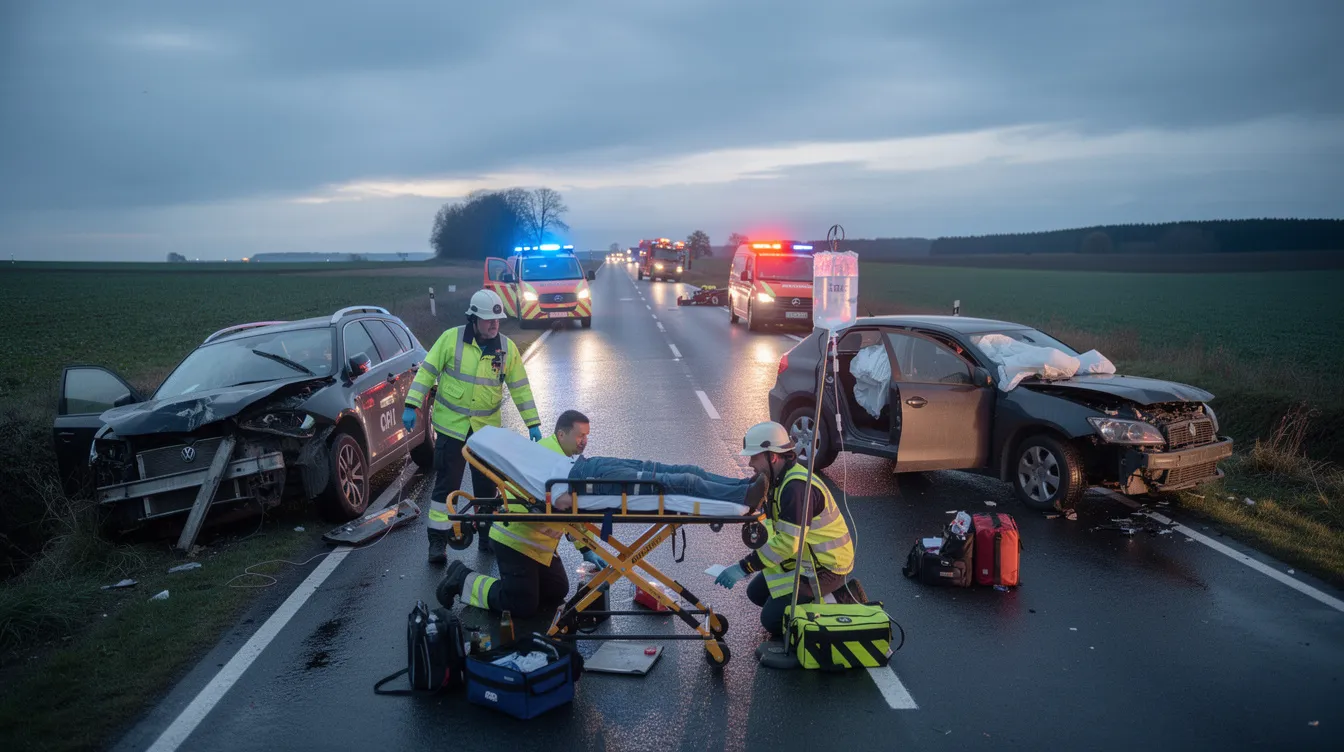
Common Colorado scenarios include high-speed crashes on I-25 or U.S. 50, underride collisions with commercial trucks, rollovers on rural roads in Otero or Las Animas County, and pedestrian impacts in Pueblo or Colorado Springs. Car accidents are a common cause of traumatic amputations, particularly when high speeds or collisions with larger vehicles are involved. Johnston Law Firm, LLC handles these cases through its personal injury and automobile accidents practice groups.
Is My Car Accident Amputation a “Catastrophic Injury” Claim?
Not every serious crash becomes a catastrophic injury claim, but a loss of a limb almost always does. Amputations are classified as catastrophic injuries, allowing victims to seek extensive damages.
Signs your personal injury claim may be catastrophic include:
-
A lost limb, loss of a limb, or permanent loss of use
-
Ongoing medical treatment, future medical expenses, and future medical needs
-
Prosthetic devices, assistive devices, and home or vehicle modifications
-
Inability to return to prior work and reduced future earning capacity
-
Major limits on daily tasks, household chores, and independence
Emotional trauma also matters. Many amputees experience grief, anxiety, and frustration as they adjust to life without a limb, showing the profound emotional impact of such a loss. Approximately 36% of amputees report symptoms of depression after limb loss. Some also develop post traumatic stress disorder, psychological trauma, and anxiety about driving again.
If you are unsure whether your case qualifies, call (719) 309-9484 or request a free case evaluation online .
Common Car Accident Scenarios Leading to Amputation Injuries
Understanding the circumstances surrounding the crash helps identify liable parties and legal options. Severe injuries can result from T-bone collisions at Pueblo intersections, rural head-on crashes when a driver crosses the centerline, and high-speed rear-end crashes that push vehicles into guardrails.
Crashes with commercial trucks, oilfield vehicles, agricultural equipment, and heavy work vehicles can cause crush injuries and partial or complete amputations, especially on roads serving Fremont, Huerfano, and Crowley Counties. Motorcycle, bicycle, and pedestrian crashes are also dangerous because exposed limbs may be struck, pinned, or run over, requiring immediate medical intervention and emergency medical treatment at Parkview Medical Center, UCHealth, or another trauma facility.
Negligent behaviors such as reckless driving, drunk driving, and distracted driving significantly increase the risk of serious car accidents that can lead to amputations. Reckless behavior may also include speeding in winter weather or fatigued driving after long shifts. Traumatic amputations can occur instantly during accidents, such as high-impact crashes, machinery-related incidents, and explosions, including some workplace accidents.
Short- and Long-Term Consequences of an Amputation Injury
The medical path of an amputation injury involves measures including emergency trauma care and potential years of physical and occupational rehabilitation. In Colorado, after an amputation, controlling bleeding and seeking emergency medical transport are critical first steps.
The rehabilitation process for amputees can take months and involves multiple stages, including healing, physical therapy, fitting for prosthetics, and significant adjustments to mobility and everyday functioning. Amputees often require extensive rehabilitation, which may include physical therapy and occupational therapy to adapt to using prosthetic limbs and regain mobility. Each prosthetic limb must be custom-fitted to the patient, which adds to the overall expense, and patients often require weeks or months of physical therapy after fitting.
Complications may include phantom limb sensations, skin breakdown, revision surgeries, fall risks, and overuse injuries. Many amputees experience phantom limb sensations, which can complicate their rehabilitation process and may require additional psychological support. The emotional distress following a traumatic amputation can include psychological trauma associated with phantom limb sensations, which can complicate the recovery process.
The financial implications may include lost income, lost earnings, lost wages, medical costs, and the financial burden of career change. Steve Johnston’s experience in personal injury, workers’ compensation, and social security law can be valuable when an injured party faces permanent disability and needs long-term support systems.

Colorado Law: Deadlines, Fault, and Damages in Car Accident Amputation Cases
Colorado law creates strict rules, so acting promptly is important to recovering compensation before legal deadlines expire. For most motor vehicle accidents, the deadline is three years from the date the injury occurred. Shorter deadlines may apply if a government vehicle is involved or if a wrongful death claim is brought.
Under Colorado law, a victim can still recover damages if they are partially at fault, provided their negligence is less than 50% of the total cause, and the final compensation is reduced by the victim’s assigned percentage of fault. If fault is 50% or more, recovery is barred.
Economic damages, such as medical bills, prosthetics, lost income, and home modifications, are generally not capped. Non economic damages, including pain and suffering, loss of enjoyment, physical and emotional pain, and emotional distress, are treated differently. Non-economic damages for claims filed on or after January 1, 2025, are capped at $1,500,000 under C.R.S. § 13-21-102.5, though catastrophic cases may involve important legal arguments and exceptions. Do not wait; call (719) 309-9484 or send a secure message .
What Compensation Can You Seek After a Car Accident Amputation in Colorado?
A strong injury attorney looks beyond the first hospital bill. Compensation claims for amputations can cover both economic damages, such as medical bills and lost income, and non-economic damages, such as pain and suffering or emotional distress.
Damages may include:
-
Medical expenses
-
Emergency care
-
Surgeries
-
Medications
-
Hospital stays
-
Counseling
-
Transportation
-
Ramps, lifts, and bathroom changes
-
Future medical expenses
-
Expenses related to prosthetic devices
The cost of a new prosthetic leg can range from $5,000 to $50,000, while prosthetic arms can cost between $3,000 and $30,000. Advanced prosthetic limbs typically last about 3 to 5 years, leading to significant cumulative costs over a lifetime as replacements are needed.
If someone else’s negligence causes a traumatic amputation, the victim may be entitled to compensation for medical expenses, lost wages, and other damages associated with the injury. In limited cases involving extreme reckless behavior, punitive damages may be available. Johnston Law Firm, LLC works to pursue fair compensation and identify all the expenses that define fair compensation.
Building a Strong Amputation Injury Claim After a Car Crash
The process of pursuing compensation for an amputation injury typically involves filing a claim, collecting evidence, negotiating with insurance providers, and potentially initiating a lawsuit if a fair settlement cannot be reached.
Evidence may include:
-
Police reports
-
Photos
-
Video
-
Damaged vehicle inspections
-
Witness statements
-
Financial records
-
Medical records such as EMT notes, ER records, imaging, surgical reports, and long-term treatment plans
In rare cases, the evidence may also need to address medical malpractice issues if negligent medical care worsened the injury after the crash. Medical testimony can connect the crash to the amputation occurs later, especially when losing a limb happens after infection or vascular damage.
Experts may include accident reconstructionists, surgeons, life-care planners, vocational experts, and economists. Personal injury lawyers also handle insurer calls so clients are not pressured into low settlements. This is not something to navigate alone. Call (719) 309-9484 or use our online contact form for a free consultation.
Johnston Law Firm, LLC: How We Help Colorado Amputation Victims and Families
Steve Johnston represents injured individuals across Colorado from Pueblo to Otero, Fremont, Custer, Huerfano, Las Animas, and Crowley Counties. Johnston Law Firm, LLC focuses on workers’ compensation, personal injury, automobile accidents, estate planning, criminal law, and social security law.
That range matters. A crash involving a delivery driver may involve workers’ compensation and a third-party personal injuries case. A severe amputation may also require Social Security Disability planning, estate planning updates, and help understanding the legal landscape.
Our role is to explain legal avenues, investigate fault, document damages, manage deadlines, and negotiate or litigate when needed. In one catastrophic case pattern, careful development of medical care, lost earnings, and future care evidence can substantially improve settlement value. In another, identifying an employer-owned vehicle can reveal additional insurance coverage.
Schedule a free consultation and case evaluation by calling (719) 309-9484 or messaging Johnston Law Firm, LLC through our online form .

Practical Steps to Take After a Car Accident Amputation or Suspected Limb‑Threatening Injury
If an amputation occurs or a limb appears threatened, call 911, follow emergency responders’ directions, control bleeding if safely possible, and prioritize transport to a trauma center. Do not move severely injured limbs unless needed for safety.
Preserve photos, witness information, vehicle images, discharge papers, medical bills, and insurance letters. Avoid recorded statements or settlement documents before speaking with a qualified attorney, because early offers rarely reflect future medical needs, permanent disability, and the full healing process.
It is normal to feel overwhelmed. A local Colorado injury attorney can help you make clear decisions while you and your family members rebuild routines and manage emotional challenges. Contact Johnston Law Firm, LLC at (719) 309-9484 or through the secure online contact portal .
FAQ: Amputation Injury Car Accident Colorado
How long do I have to file a car accident amputation lawsuit in Colorado?
Most Colorado motor vehicle crash cases have a three-year deadline from the crash date, but government-vehicle and wrongful death cases may have different rules. Evidence can disappear quickly, so contact Johnston Law Firm, LLC promptly.
What if my amputation happened after surgery, not at the crash scene?
A surgical amputation days or weeks later can still support a catastrophic claim if the crash caused the infection, vascular damage, or non-healing fracture. Medical causation and expert testimony are often crucial.
Can I pursue both workers’ compensation and a car accident claim?
Yes, if the crash happened while working. Workers’ compensation may cover medical treatment and wage benefits, while a separate claim against the at-fault driver may seek additional damages.
Will I have to go to trial?
Many cases settle, but some require litigation when insurers dispute fault or lifelong damages. Johnston Law Firm, LLC prepares claims as if trial may be necessary.
How much does it cost to hire Johnston Law Firm, LLC?
Catastrophic car accident and personal injury claims are typically handled on a contingency fee basis, meaning attorney’s fees are paid from a recovery. Call (719) 309-9484 or use our online contact form to discuss your legal options.